Thousands of Indian families living in the US have received a major relief after the U.S. Supreme Court struck down President Donald Trump’s order to limit birthright citizenship for children born to non-citizen parents.
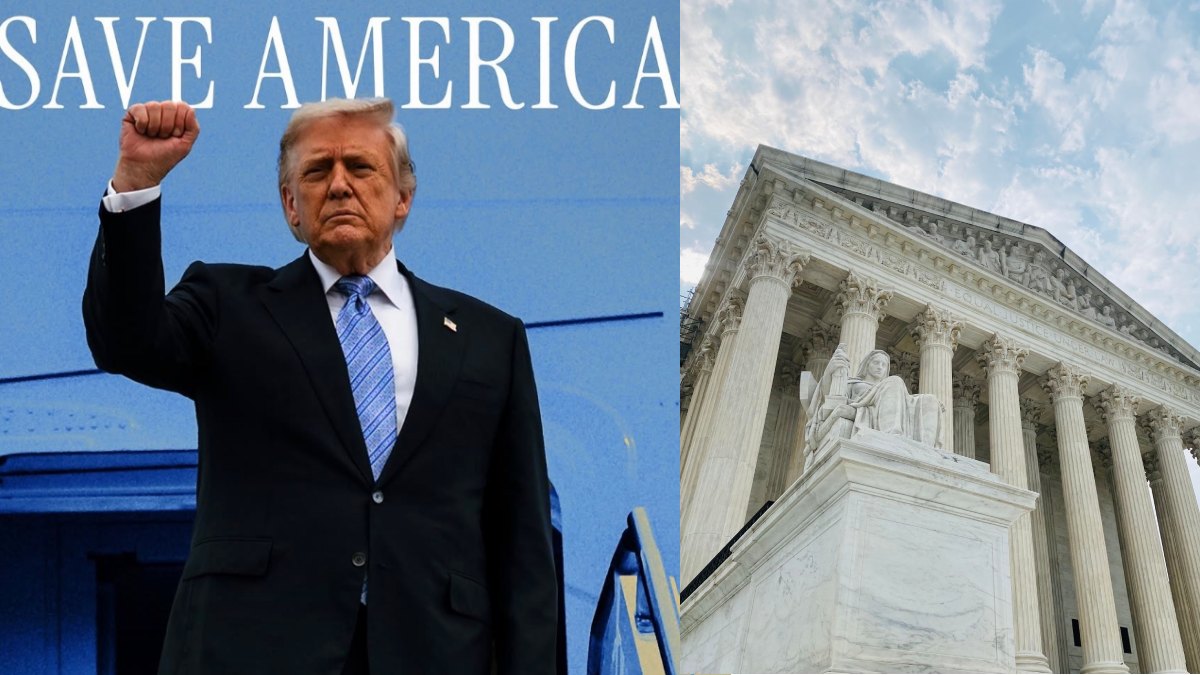
The ruling maintains the long-standing interpretation of the 14th Amendment of the US Constitution that gives American citizenship to almost every child born on US soil, regardless of their parents’ immigration status or visa category.
The decision is especially important for the Indian community as there are in the USA between 5.2 million and 5.4 million people of Indian descent. The majority of them are on H-1B visas to work in the tech, engineering, healthcare and financial services industries.
Trump's executive order aimed to end automatic US citizenship for children born to parents who were in the country illegally or on temporary visas, such as H-1B workers, students and other non-immigrant visa holders. If implemented, the policy would have been a radical change in America’s 160-year-old system of birthright citizenship.
The Supreme Court’s decision is a major setback for attempts to change citizenship rules through executive action. It means that children born in the United States to H-1B visa holders, international students, Green Card holders and most other non-citizen parents will continue to get US citizenship at birth under the current interpretation of the Constitution.

But the ruling does not affect parents’ immigration status. People living in the US on H-1B or other temporary visas must continue to maintain their legal immigration status independently.
Under current US immigration law, a child who is a US citizen cannot sponsor a parent for permanent residency until 21 years of age. With this in mind, while the decision protects citizenship rights for newborns, it does not provide an immediate pathway to permanent residency or citizenship for their parents.
The ruling will provide reassurance to thousands of Indian professionals and families who have settled in the United States and worked on temporary visas in the country for years. It also strengthens the constitutional guarantee of birthright citizenship, one of the core tenets of U.S. immigration law for more than a century.