A huge heat dome will grip large swaths of the United States this Independence Day holiday, bringing sweltering temperatures and oppressive humidity to the air and health risks for millions of Americans who live in the United States.
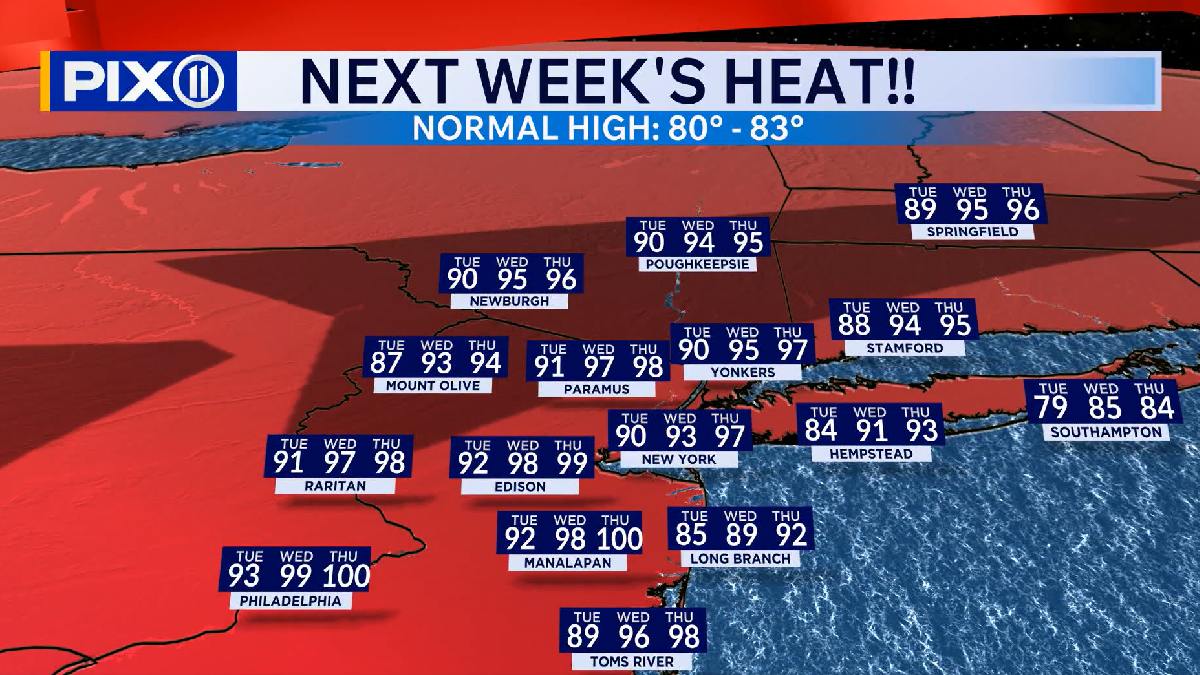
Meteorologists warn that a longer-term heat event could push temperatures well above seasonal averages in many parts of the country, and some forecasters have begun to use dramatic language to describe the intensity of the heat. One expert said that in some cases it’ll be so brutal that it could “melt your face off.”
A heat dome is when a high-pressure system near the Earth’s surface prevents cooler air from getting in. Hot air is trapped, and heat continues to rise, leading to extreme heat and dangerous heat index values.
The latest forecasts predict that parts of the Midwest, South, and East Coast could see temperatures ranging from the mid-90s to well above 100 degrees Fahrenheit. Combined with high humidity levels, the “feels-like” temperatures could rise even higher, making outdoor activities dangerous for humans.
Residents should limit outdoor exposure during the hottest hours of the day, stay hydrated, and monitor vulnerable populations such as the elderly, young children, and those with chronic medical conditions, officials have said. If temperatures stay high for several consecutive days, heat-related illnesses (heat exhaustion and heat stroke) can quickly develop.

The prolonged heat could also drive up energy demand because people and businesses depend on air conditioning. In some states, electricity use is also being closely monitored by utility companies, and officials are advising people to save energy at peak demand times.
The adverse effects of high temperatures can also affect agricultural output. Farmers are trying to protect livestock and crops from heat stress in the affected areas, especially those regions that are already dry.
The heat dome comes as we are at one of the busiest travel periods, as Americans prepare for July 4 celebrations. Public health officials advise travellers and event organisers to have shade, hydration stations, and medical support for outdoor events.
Climate scientists say that heat domes are natural weather phenomena, but global warming is making them more likely and more intense for extreme heat events. Record-breaking heatwaves have struck some of the world’s most populated countries in recent years, and the health and infrastructure crisis associated with climate change has intensified fears.
As the holiday week approaches, authorities are advising people to keep up with local weather alerts and to take precautions against heat-related emergencies. If the heat dome is going to persist through July 4, millions are bracing for an expected heatwave that could be the largest of the summer.