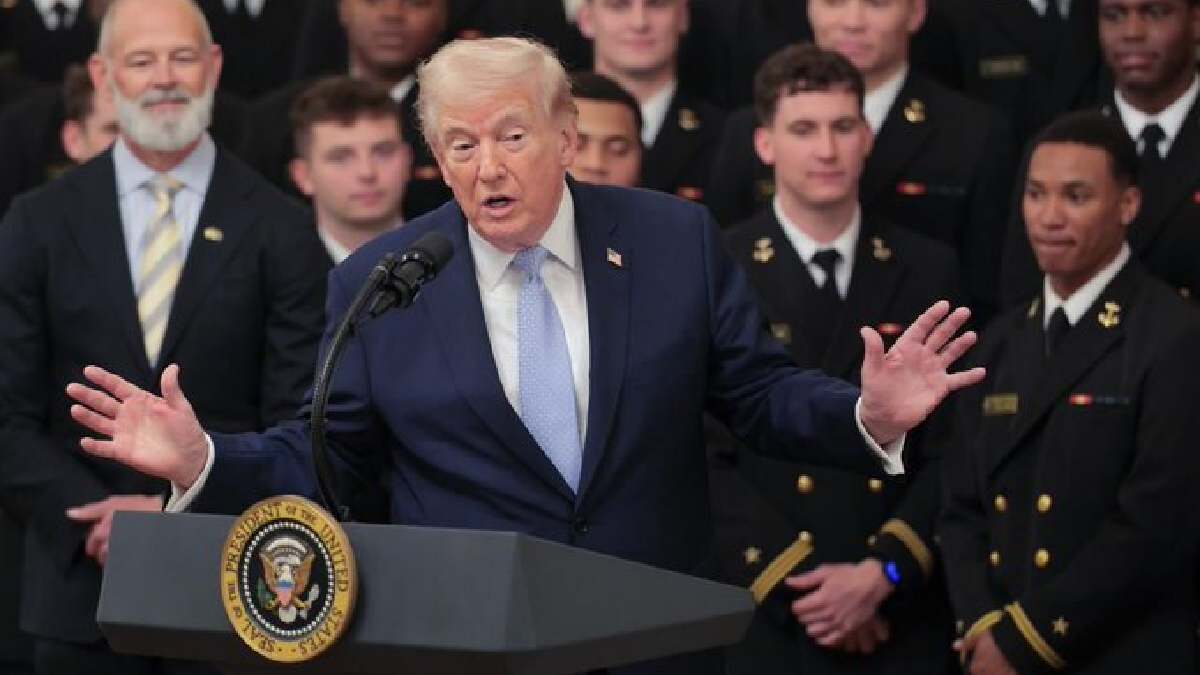
The United States is coming to the end of one of the longest military campaigns in its history and President Donald Trump announced yesterday that the U.S. troops will finish the withdrawal from Iraq by September.
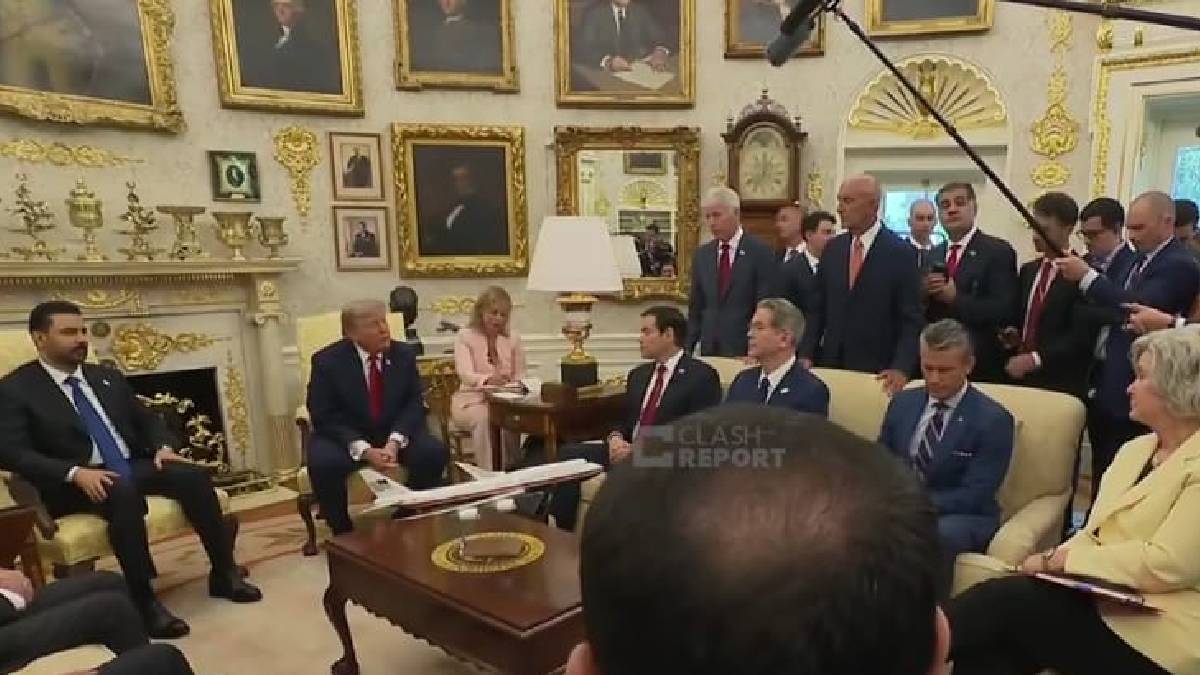
The decision is at the end of a 23-year military mission that began with the Bushled military campaign that started with the 2003 United States-led invasion to topple Saddam Hussein’s regime in 2003, when American troops left the country and took the country's ruler, when he ordered an estimated 9/11-style Iraqi troops to quit Iraq.
The withdrawal represents a major shift in Washington's Middle East strategy, reflecting changing geopolitical priorities and the belief that Iraqi security forces are now capable of handling the country's internal security challenges. The announcement follows months of discussions between U.S. and Iraqi officials about the future of the military partnership.
The US invasion of Iraq in 2003 changed the political history of Iraq dramatically. Saddam Hussein’s removal from power was the first to take place, but it was a huge deal and Iraq had to go through years of insurgency, sectarian violence and political instability. In 2014, American troops returned to Iraq under the leadership of an international coalition of nations to assist Iraqi forces in tackling the rise of ISIS (Islamic State), which took over much of Iraq and Syria.
Since then, the coalition has played a leading role in training Iraqi security forces, conducting intelligence operations and counterterrorism operations. Iraqi officials have repeatedly said that their military has improved greatly and has done so without a permanent foreign presence.
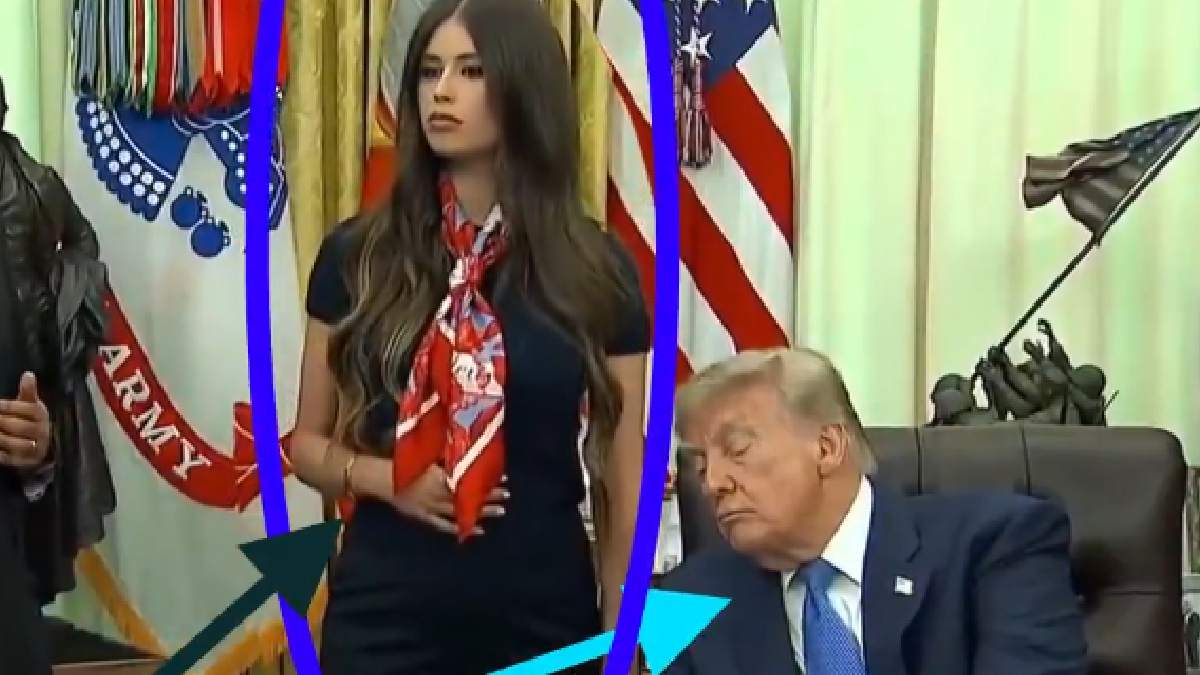
Trump described the withdrawal as a successful completion of America's military objectives in Iraq. The remaining American forces will gradually leave their bases and maintain diplomatic, intelligence and security cooperation with the Iraqi government through non-combat arrangements, officials said.
🇮🇶 🇺🇲 Trump, confirming the withdrawal directly: "We don't think we need the military there anymore."
— The Tectonic (@thetect0nic) July 14, 2026
Iraq's Prime Minister, at the White House: "I have a decision to confine weapons exclusively to the state in Iraq. After September 30, there will be no need for armed factions…
The Iraqi government has welcomed the transition, stressing that future relations with the United States will focus on defense cooperation, military training, intelligence sharing and economic partnerships as opposed to direct combat operations.
But security experts warn there are extremist groups that still menace some regions (ISIS remnants) who remain to be defeated. In the future, shared intelligence and international cooperation will be crucial to keep terrorists from re-emerging.
The decision also has regional geopolitical implications. It will shape regional power dynamics between neighboring Iran, Turkey and Gulf nations, and the United States also can use it to put military forces into other strategic matters in Europe and the Indo-Pacific.
Families of American service members have mixed feelings. Some regard the withdrawal as the end of a costly war that cost thousands of lives and required huge financial resources over two decades. But others say that even today’s kind of engagement is needed for long-term stability to hold the country together.
The withdrawal of the last US troops from Iraq by September ends a long chapter in American military history as well as a significant time in Iraq.
If that happens, whether that leads to stability or new security problems will largely depend on Iraq’s ability to maintain peace, build democratic institutions and continue working with international partners to combat terrorism.