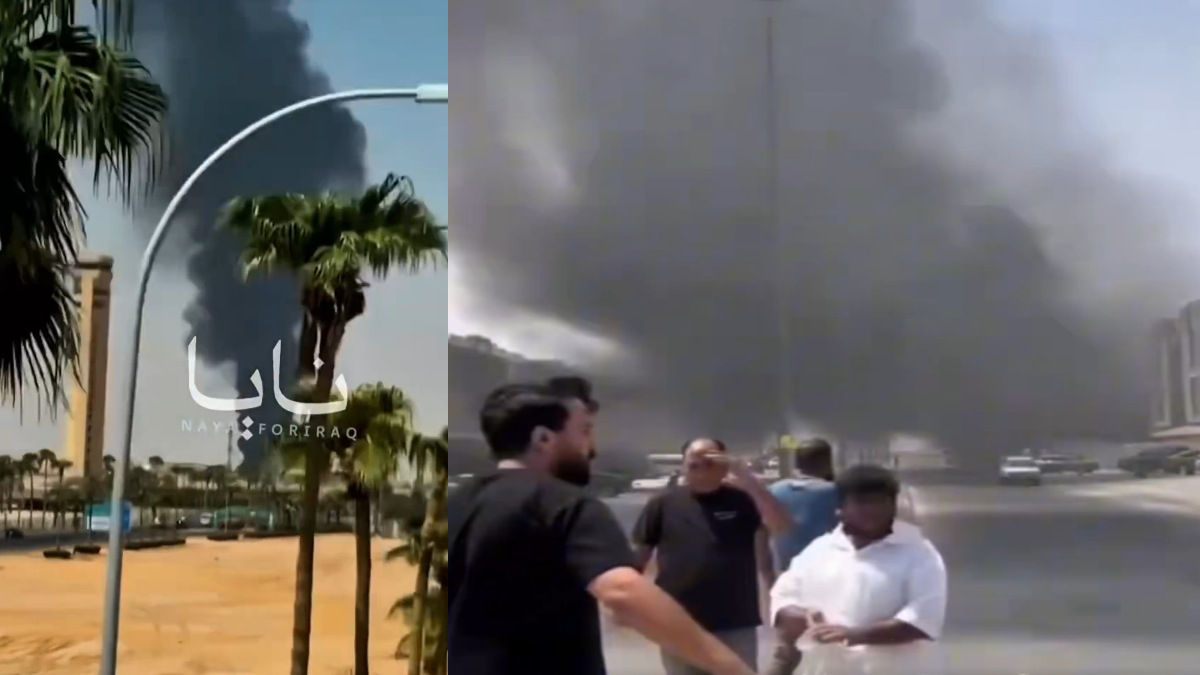
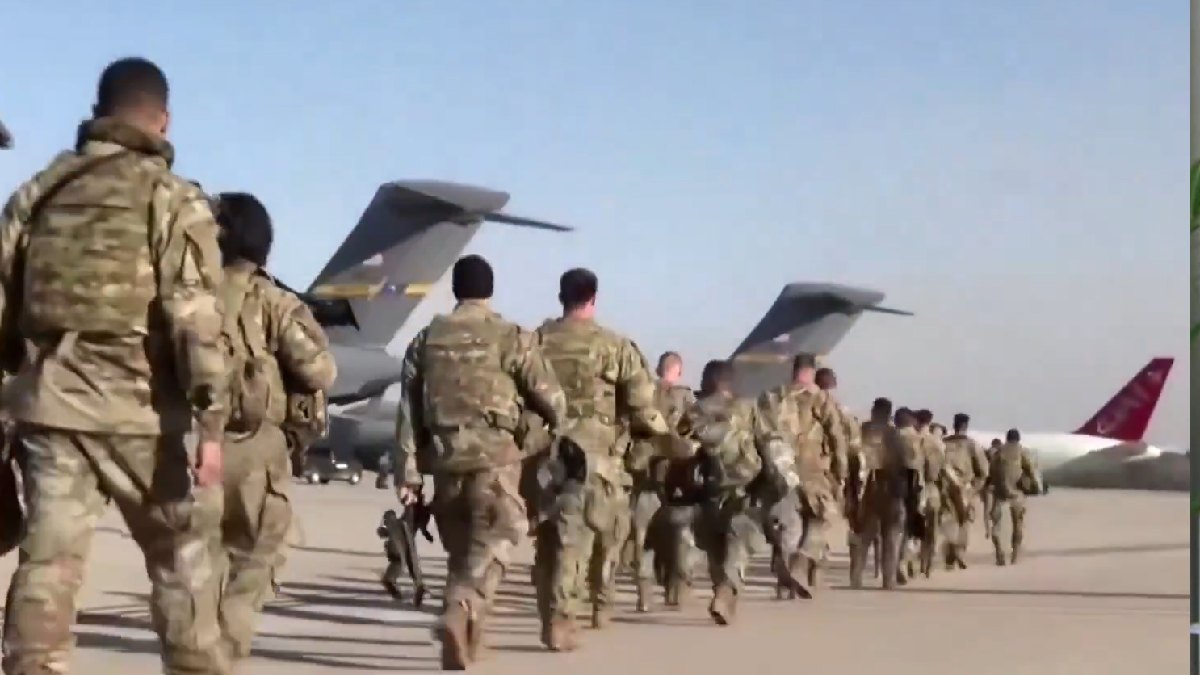
The United States has issued a fresh security advisory that we must prepare American citizens living in or travelling throughout the Middle East, if regional security is deteriorating even further. We are warning that more geopolitical tensions, military confrontations, divisions and ongoing conflicts could bleed into a bigger regional crisis.

In a series of security messages sent through US embassies and consulates, the U.S. embassy and consulate advised Americans to keep updated on the local situation and to review emergency plans; travel documents should be valid and easily available, and travel documents should also be in easy reach. However, keeping in mind the fact that we have to stay in touch with the situation and be ready to move and leave the affected regions is essential (with the aid of the advisory) if it is necessary.
The warning is precautionary, but it is also a reflection of rising fears of a sudden escalation in a number of parts of the Middle East, officials say. Security experts say regional conflicts between state and non-state actors have made the region more volatile and that foreign nationals and diplomatic facilities in the region are at risk, as are international businesses in those regions.
The advisory suggests Americans plan for multiple routes to leave, monitor local media and official government communications and keep in touch with family. Citizens are also encouraged to sign up to embassy notification systems that can provide notifications on security updates, travel restrictions and emergency assistance.
The latest warning comes after years of increased military activity and diplomatic strain in the Middle East. Security alerts to the region and governments are increasing security levels around critical infrastructure, transportation hubs and diplomatic missions. Regional security dynamics are so intertwined that even localised incidents can set a bad precedent for the entire region because of the interconnected nature of security in general, analysts say.
The advisory does not indicate an imminent threat, US officials say, but is there to prepare citizens. Similar advice has been issued during previous periods of instability so people can decide for themselves and not be caught by surprise in the face of a sudden change in security conditions.
Many international airlines and travel operators are monitoring developments closely. Most of the region still has commercial air travel, but airlines have warned that flight schedules, airspace access and border procedures could change quickly if tensions are raised. Travellers should be prepared to move around and make contingency plans.
The State Department regularly puts travel advisories out to sea based on intelligence assessments, security reports, and discussions with partners. More recently, the agency has also emphasised preparedness and risk awareness for Americans in areas where geopolitical uncertainty is a growing concern for such people.
The warning has attracted international attention as governments around the world assess the repercussions of ongoing tensions in the Middle East. Several countries have already reviewed emergency response plans and updated travel guidance for their citizens in the region.
And security analysts say the advisory speaks to wider concerns that conflicts, retaliation and unexpected events could quickly change the security landscape. This could impact transportation networks, public gatherings and critical services, so it is important to have planned for people living and working abroad.
So far, US officials urge vigilance rather than alarm. Citizens are to be kept updated through the appropriate channels, follow local authorities’ advice and be prepared for disruption if regional conditions are particularly bad.
Governments, diplomatic missions and international agencies will be closely monitoring developments and may change their advice based on them. The next few days and weeks will play a key role in determining if there is a cooling-off in relations and if the situation is simply an isolated regional conflict.