The Iran war is at a critical stage and the United States would be considering more than 10,000 ground troops to deploy around the Middle East, and Iran is set up at least a million fighters from the warfront of war for a potential invasion.
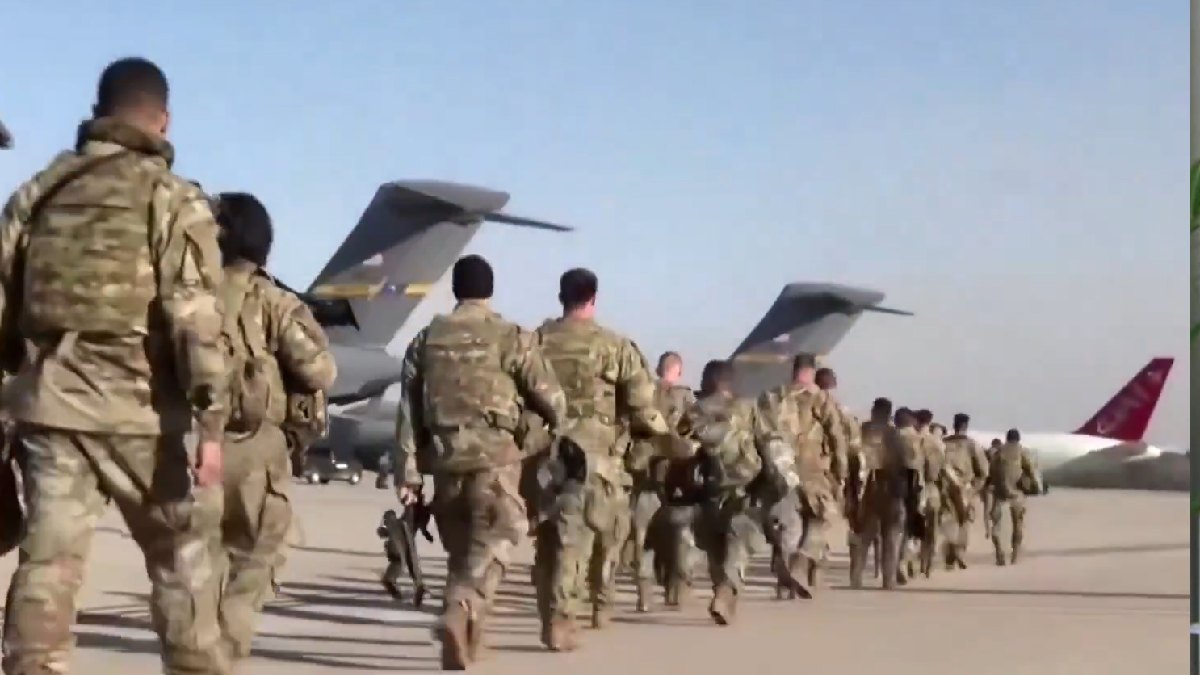
This high-profile escalation of the conflict has triggered a global discussion: is it about Washington putting pressure to force Iran into negotiations, or stepping into expensive and drawn-out trouble?
Rising Military Stakes
According to documents, the Pentagon is considering having thousands of more troops deployed for expanded flexibility in operations and to strengthen this place. This could add more troops to an already extensive US military presence Marine troops and airborne assets deployed to places like strategic cities and bases.
At the same time Iran’s mobilisation of over one million fighters signals readiness for a big-ticket ground conflict. Not only are regular Iranian fighters but also paramilitary and reserve troops. Both these numbers indicate an appetite to stand fast against invasion in the absence of external threat.
Pressure Tactic or War Preparation?
Military experts believe it is more likely to be a type of pressure move on Iran to get back to negotiate again and that it might represent a way of forcing Iran back to the negotiating table. To escalate the situation is to indicate that in the US presence alone, it is sending the signals that we should not necessarily go to war with Iran, of all the things, it would be an indicator that Washington is ready to go through war (even though they don't even declare full invasion).
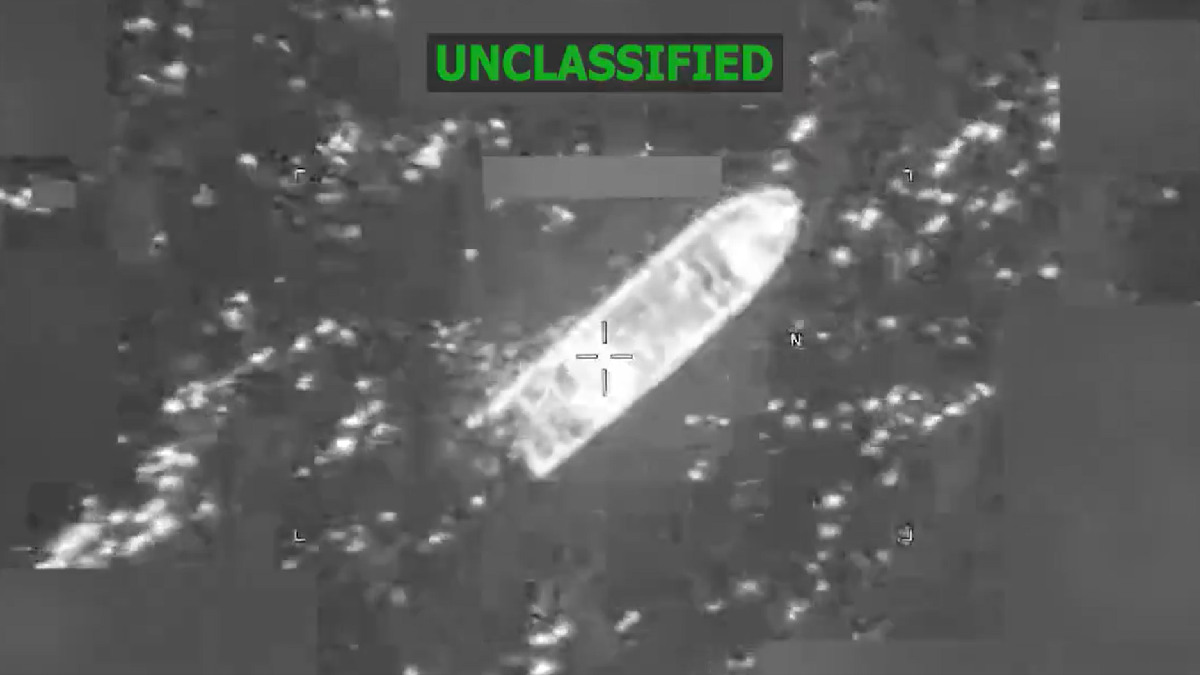
And yet, troop deployments are commonly preceded by more vigorous military engagement, argues others. With reports of increased airstrikes and movements of forces from a military perspective already taking us to war already, the war could be moving.
The Cost Factor
War with Iran is not a small effort. Early estimates suggest the US has already spent billions within days of the conflict. Experts warn that a full-scale ground invasion would have to be carried out and would involve far more than 10,000 troops, maybe hundreds of thousands thus this move may be more symbolic (not economic) than actual.
Furthermore. But the Pentagon already reports casualties and injured US personnel, highlighting the human cost of escalation.
Strategic Risks
Iran’s geography, its population, and its military system make it a far more complex battlefield compared to previous wars of freedom in Iraq or Afghanistan, but a miscalculation might result in years of sustained warfare, a major cutoff of global oil supply, and regional instability.
The Strait of Hormuz, a major regional oil chokepoint, is still a major flashpoint and an escalation would shake the energy oil markets up drastically.
What Lies Ahead
At this stage both sides appear to be signaling strength rather than stepping back. Diplomacy has not yet vanished in all of this but it is increasingly undermined by military drama.
Whether it is a calculated pressure campaign or an early stage of a wider war will be answered by the following few decisions in Washington and Tehran. For now the world needs to keep an eye on the situation for as closer as it gets to see a potentially defining political moment in global geopolitics.