Venezuela fears a major loss of life has grown increasingly as twin powerful earthquakes were recorded off the Caribbean coast of the country on Wednesday evening, with widespread destruction and emergency rescue efforts launched in several states.
While casualties have not been officially announced yet, the U.S. Geological Survey (USGS) has raised concerns about the magnitude of the disaster. That initial impact analysis indicated that the final death toll could be as high as 10,000 to 100,000 people in the end (if building collapses became widespread and people were buried under debris).
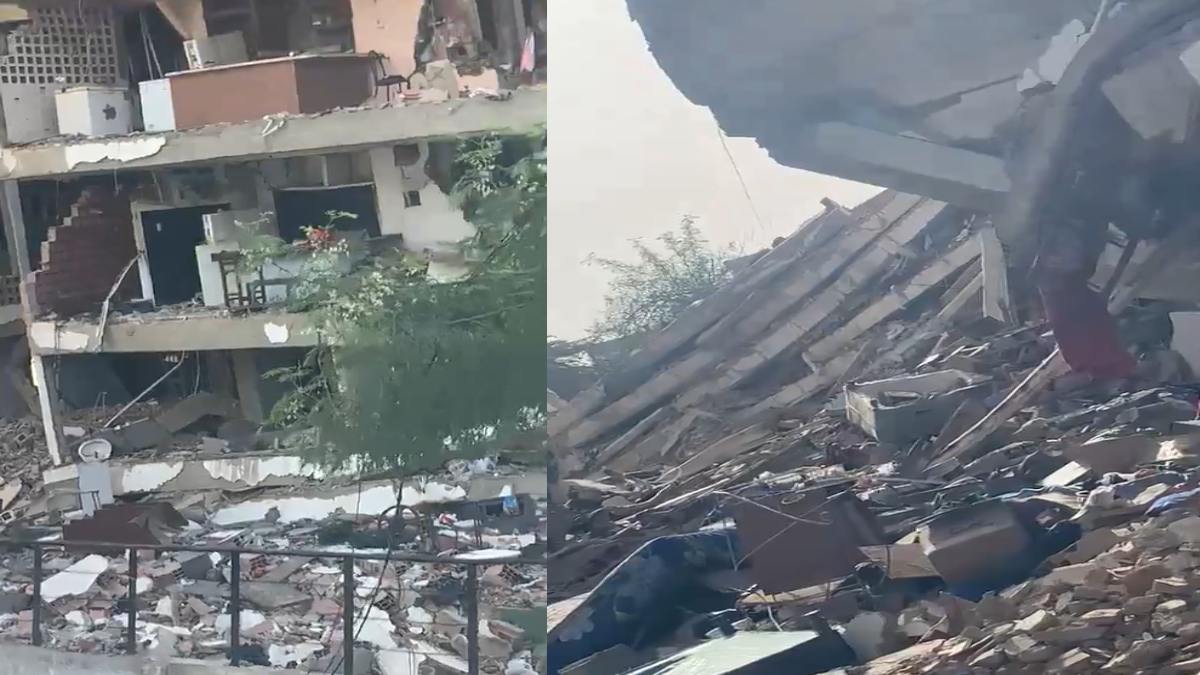
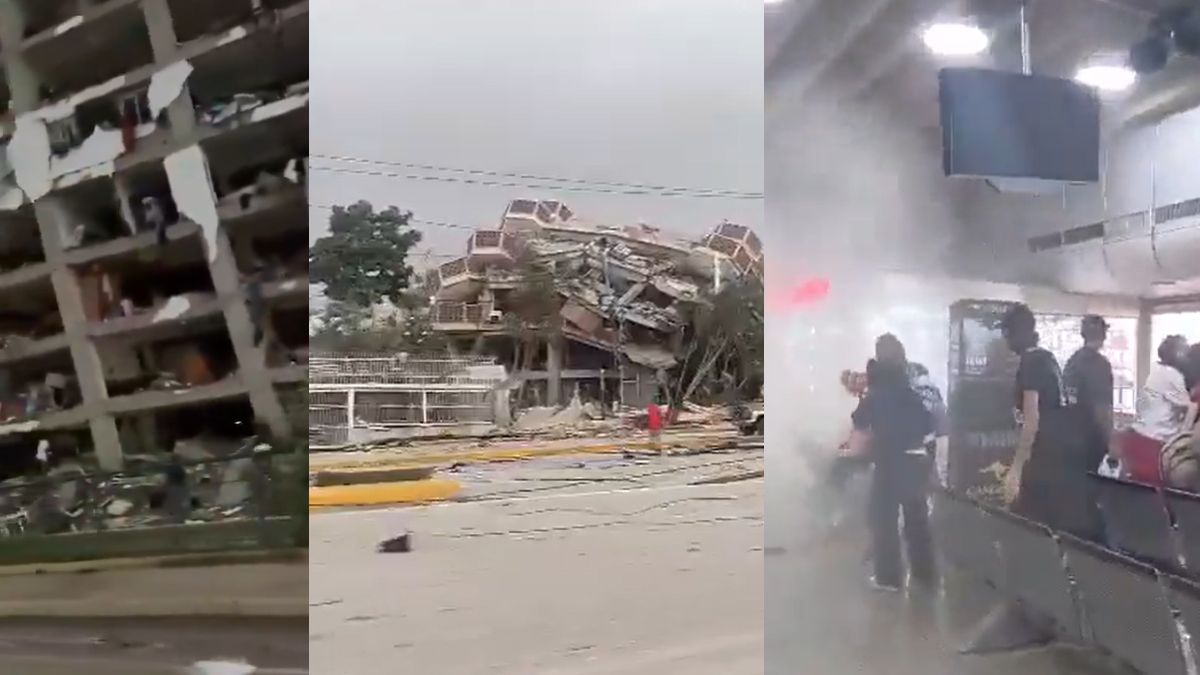
The warning comes as emergency workers continue searching damaged residential and commercial buildings in the capital, Caracas and other areas of the country. The earthquakes, the strongest to strike Venezuela in more than a century (and the strongest to take place in its history), sent residents running out from homes, offices, shopping centres, and restaurants in a panic while buildings swayed violently.
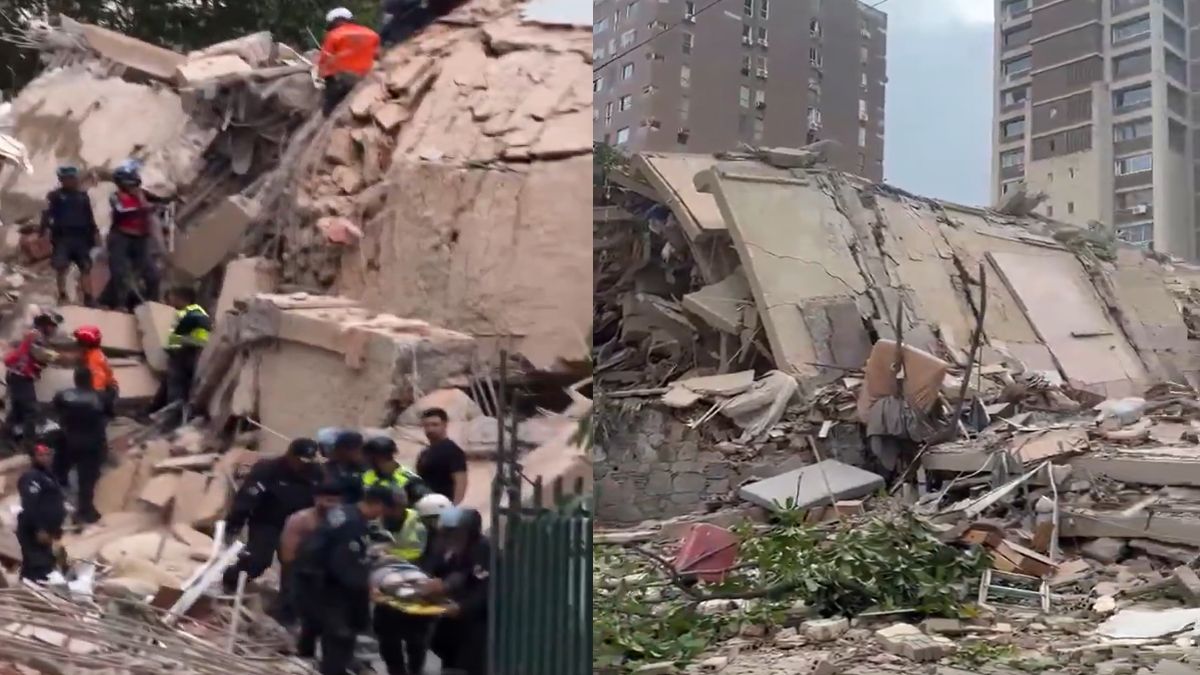
Many structures collapsed in Caracas, and some people said whole walls were collapsing and building interiors were exposed onto the streets below. Dust clouds rose above parts of the city as rescue crews and emergency workers rushed to assess the damage and find survivors.
The acting president, Delcy Rodríguez, spoke to the nation late yesterday, confirming that significant damage had been reported in many states. But she had no official figures for deaths, injuries or destroyed buildings.
"We urge our population to remain calm. We urge unity," Rodríguez said, as she declared a nationwide state of emergency.
She also said that healthcare professionals across the country would need to report to hospitals and medical facilities immediately to aid with the growing number of injured residents. Schools and educational institutions have been closed for several days, and emergency authorities are working on rescue and recovery.
The disaster has severely affected critical infrastructure. Rodríguez said Simon Bolívar International Airport, Venezuela's main international gateway, had been severely damaged and shut down until further notice. Transport networks, communications and public utilities are being assessed for damage, too.
According to the USGS, the first earthquake struck west of Morón, 168 kilometres from Caracas, at 22 kilometers depth. A second, stronger 7.5-magnitude earthquake followed just under a minute later at a shallow depth of 10 kilometres. At least 20 aftershocks have also been recorded, and there are fears of more structural collapses.
The humanitarian situation remains unclear as officials work to establish contact with affected communities and to assess the extent of the disaster. But rescue workers are in difficult conditions, and roads are broken, communication is disrupted, and unstable structures keep them up at night, and the search is difficult.
Following the earthquake, regional officials also addressed tsunami fears. The U.S. Pacific Tsunami Warning Centre issued alerts for parts of the Caribbean, including the Virgin Islands, and emergency warnings were also issued in the Dominican Republic. Puerto Rico's precautionary alert was later lifted.
Experts say the days to come will establish the true human cost of the disaster. Thousands of people are waiting for news of their relatives and loved ones as rescue operations continue all the time.
Venezuela now has one of the biggest emergency response efforts in its recent history, with its entire neighbourhoods and infrastructure severely damaged and authorities and international agencies scrambling to respond to an avalanche of humanitarian disaster.