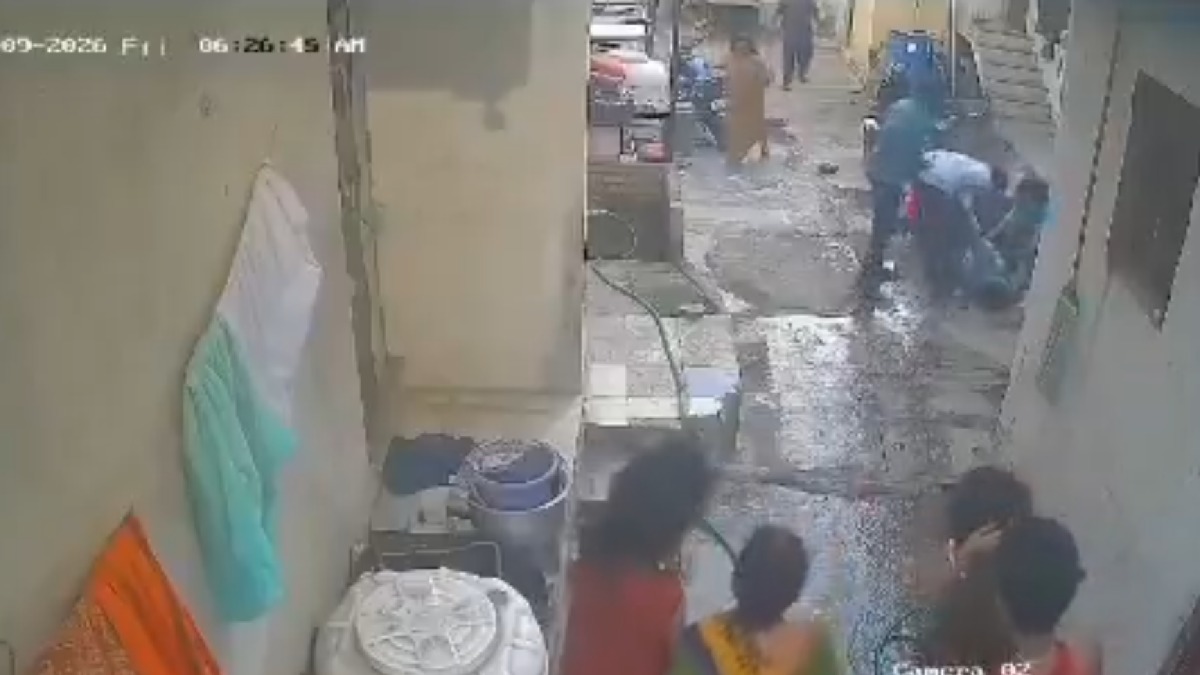
Police have rescued hundreds of cats from Vietnam’s largest city after finding a massive pet theft and trafficking network that authorities say had been operating for years.
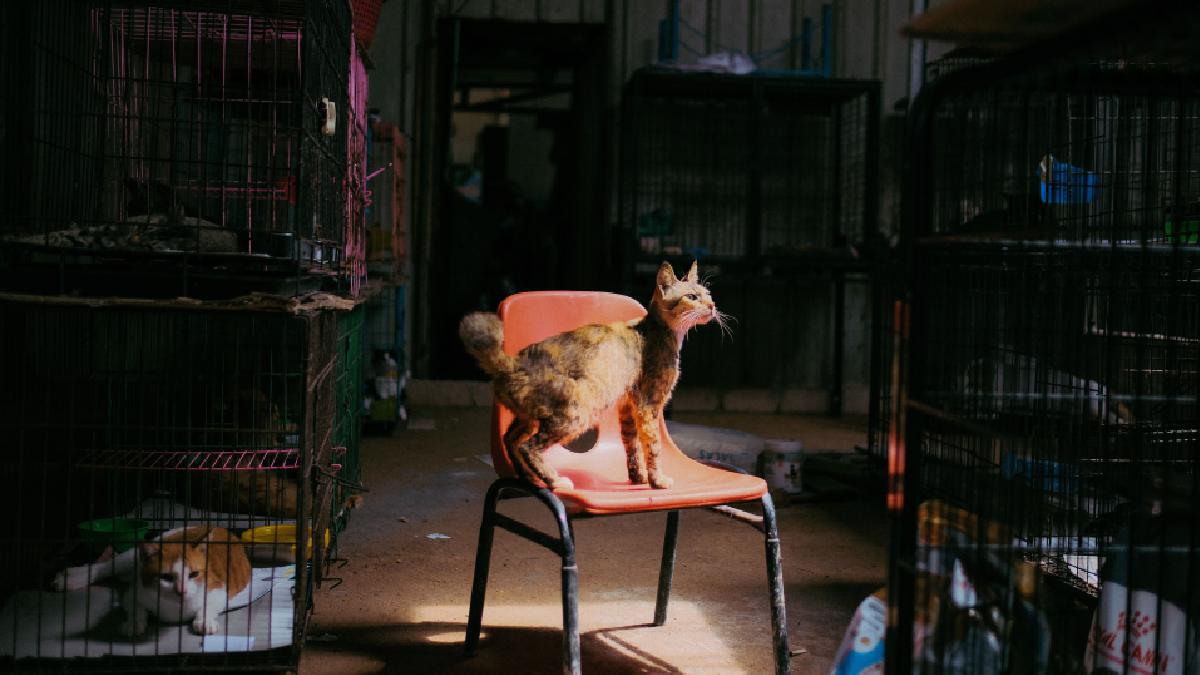
The raid took place in Ho Chi Minh City and rescued more than 400 live cats and seized more than 80 dead animals. Nine suspects, the police said, were arrested on suspicion that they were involved in the illegal operation which fed animals to the country’s cat meat trade.
Such news for many pet owners was both relief and heartbreak.
The investigation was launched as the authorities received an enormous wave of reports about missing pets in southern Vietnam. More recently, as the number of lost cats became increasingly frequent, investigators started to investigate a suspected criminal network with which they believed the disappearances had been orchestrated, he added.
A Shocking Discovery
When police finally raided the areas connected to the group, they found heartbreaking conditions. About 400 cats were found crammed into 45 cages at one site and 21 animals were recovered from a different location. Many of the animals were weak, dehydrated and showing signs of severe stress after being kept in overcrowded conditions.

Unfortunately, not all of them survived. Almost 100 cats are believed to have died due to the harsh conditions they went through before the rescue operation, officials said.
The suspects admitted to trapping and stealing cats from neighborhoods throughout southern Vietnam for about three years, the investigators concluded. Many of the cats were cherished household pets taken directly from their owners without warning, they said.
The emotional impact of the case has been evident the day after the raid. More than 40 cats have been reunited with their families, leading to emotional scenes as owners recognized long-lost pets they feared they would never see again.
Hope for the Survivors
The recovery process for the hundreds of other rescued animals is just beginning. The cats are being kept under police supervision and local veterinarians and animal welfare organizations provide food, medical care and temporary shelter. Many suffer from malnutrition, infections and injuries in the process.
The case has also revived the debate about Vietnam’s cat meat trade. In Vietnam, the consumption of cat meat is still legal but sellers need to provide proof of the animals’ origin. Law enforcement officials say illegal pet theft networks often exploit gaps in enforcement and provide animals with little to no traceable documentation.
Animal welfare groups estimate that as many as a million cats might enter the cat meat trade annually through legal and illegal channels, which is an enormous challenge to regulate.
For now the rescue operation is also a rare victory against organized animal trafficking. In many families, the joy of having beloved pets back is the case but it has revealed the extent of a hidden trade that affects hundreds of animals and pet owners in the region.
The authorities hope the arrests will be able to unravel a network that turned pets into commodities and prevent more animals from suffering the same fate in the future.