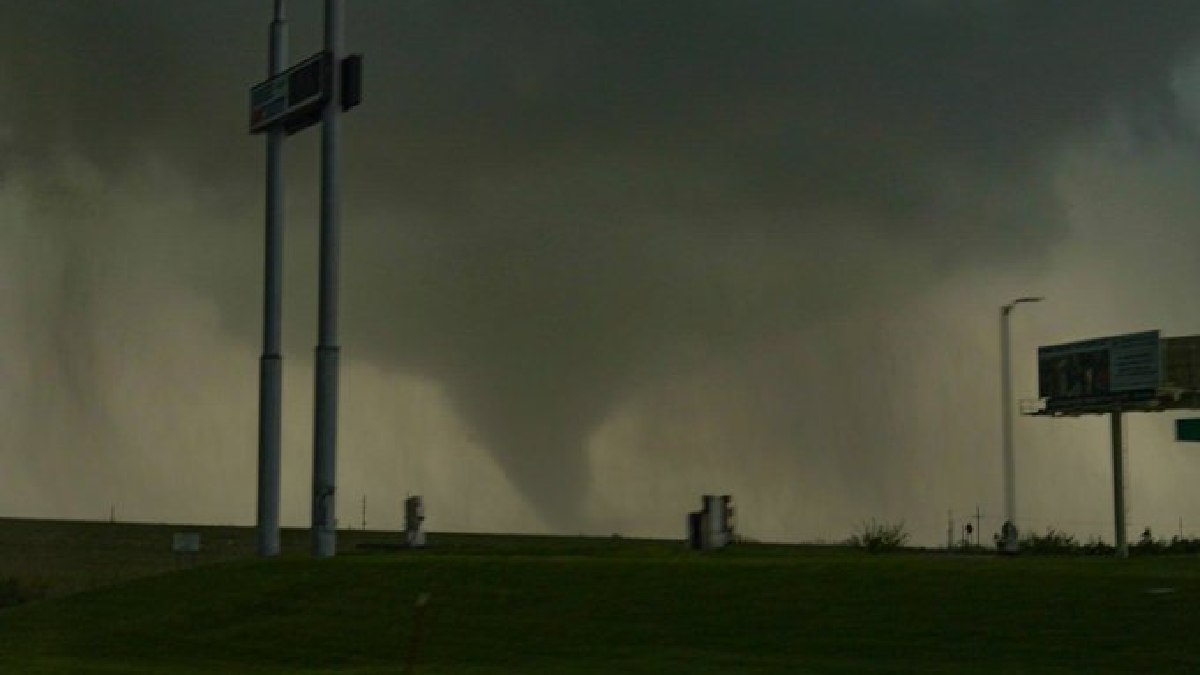
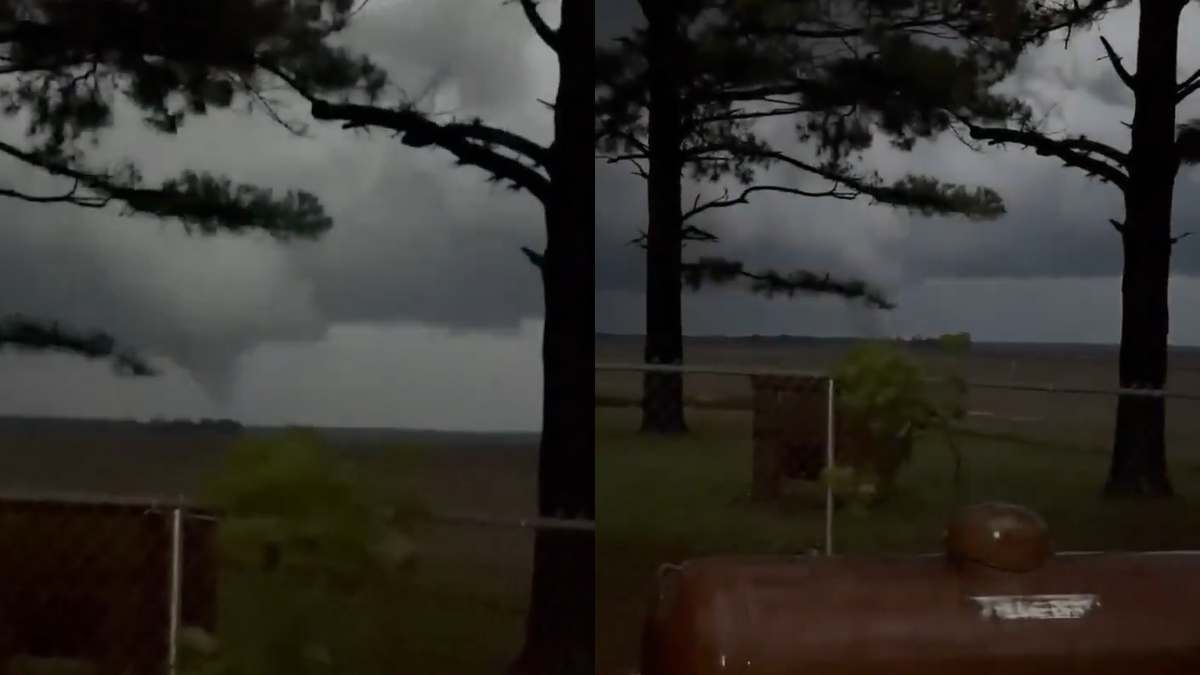
Central Illinois residents faced a threat of a tornado on the ground in Washburn, and the National Weather Service (NWS) issued an urgent warning and advised people to seek shelter.
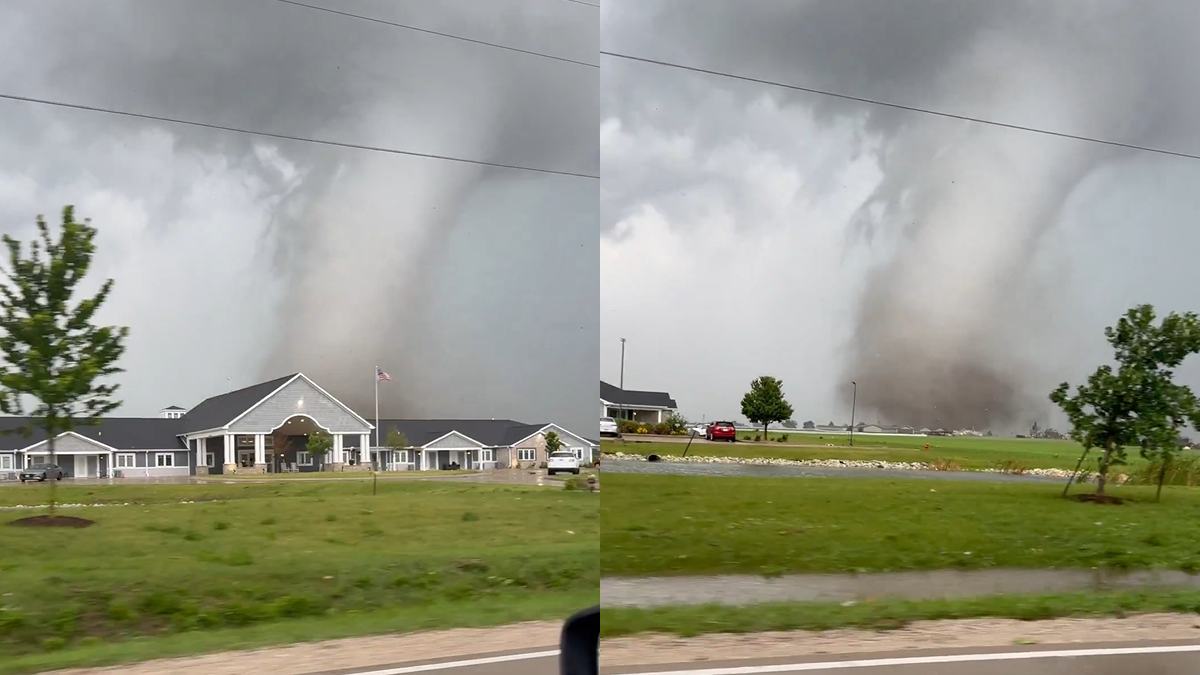
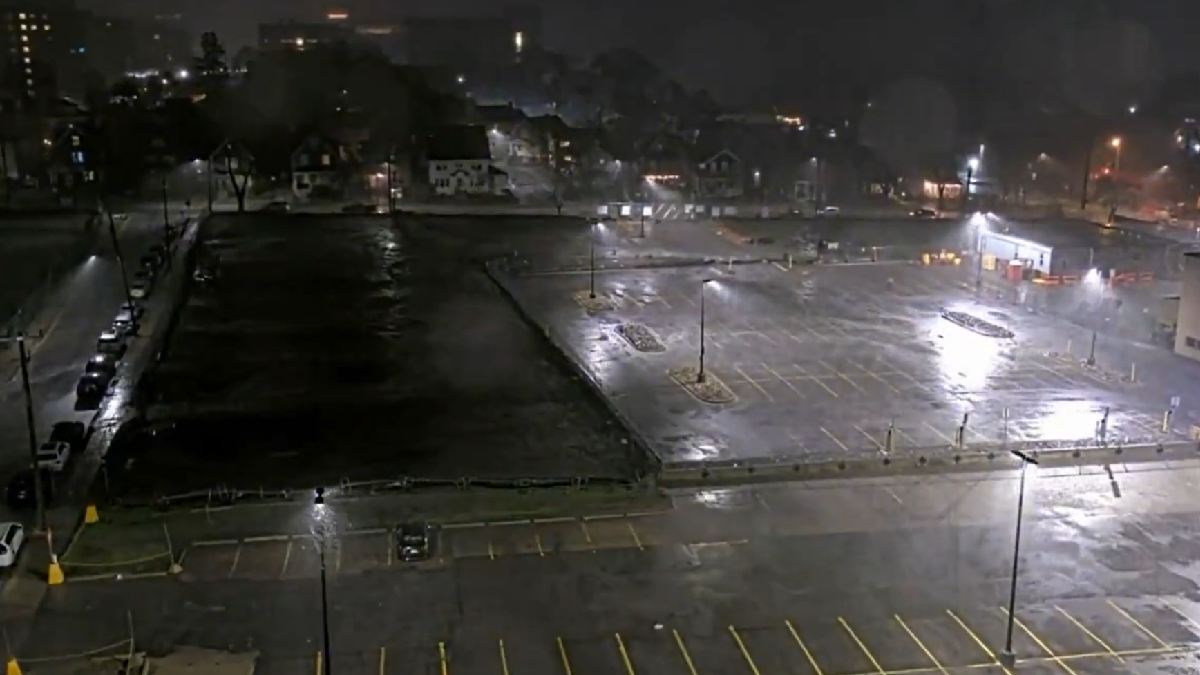
The tornado was detected as severe thunderstorms were moving rapidly in the region as strong winds, heavy rain and frequent lightning strikes were happening with severe thunderstorms moving through the area, and strong winds were blowing through with heavy rain and frequent lightning strikes. Meteorologists monitored the storm system as it developed conditions for a tornado to form, and radar indicated that thunderstorms were rotating rapidly.
The tornado was observed near Washburn, a village in Woodford County, located about 25 miles northeast of Peoria, officials said. The NWS issued a tornado warning immediately for affected areas and said that the danger was life-threatening. Residents in the warning area were advised to move to a basement or an interior room on the lowest floor of a strong building and not to look out windows, the NWS said.
Emergency management agencies in Central Illinois activated severe weather protocols as the storm moved through the region. Residents should be on guard, receive weather alerts and see emergency notifications, local authorities said.
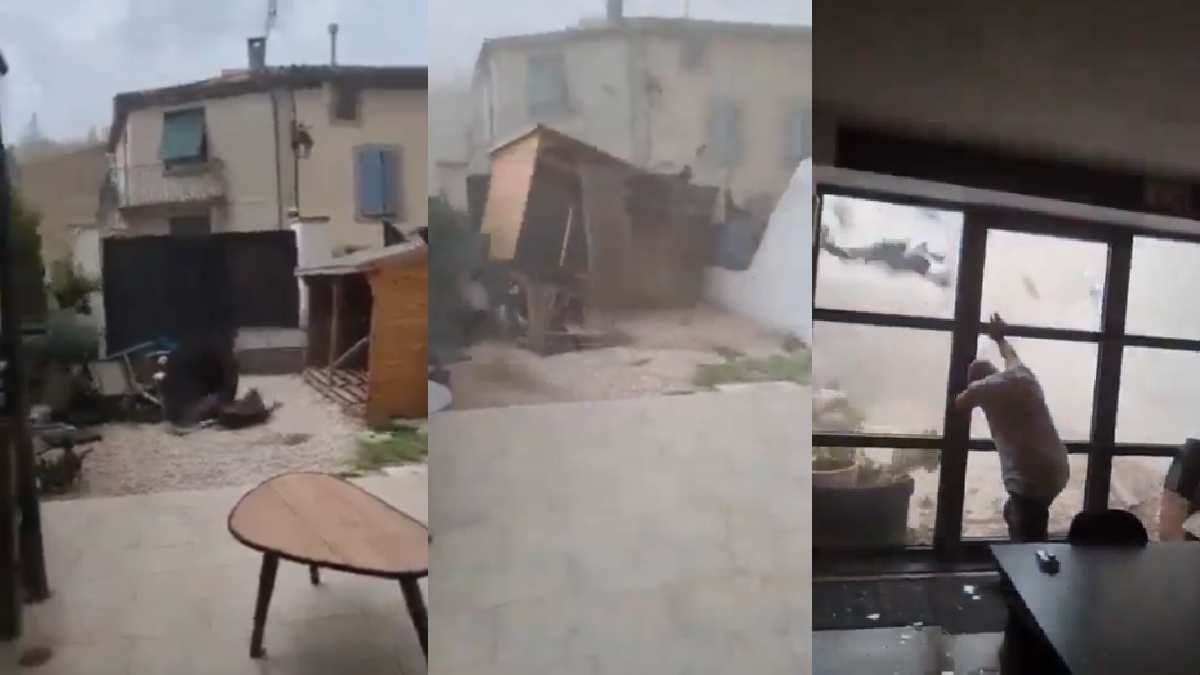
Witnesses reported seeing a large funnel cloud extending from the storm base to the ground, strong winds and rapidly deteriorating weather conditions. Photos and videos shared on social media showed dark rotating clouds and heavy rainfall moving through rural areas near Washburn.
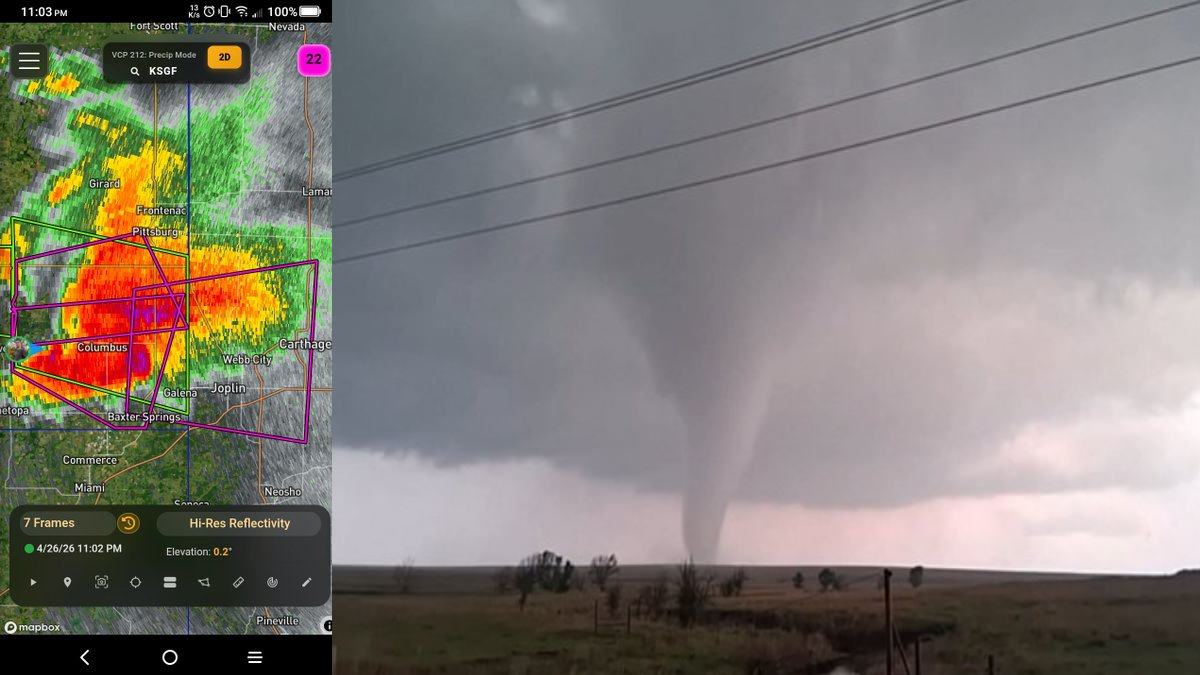
The atmosphere for severe weather development was favourable, meteorologists said. Warm, moist air with strong wind shear created perfect conditions for rotating thunderstorms, also known as supercells, which can generate tornadoes. These storms can produce damaging straight-line winds, large hail and flash flooding.
The tornado warning was still in place, and officials said warnings have to be taken seriously. Even a brief tornado can damage homes, businesses, vehicles, power lines and agricultural infrastructure. Rural areas are especially vulnerable because storms can develop quickly, and visibility can be limited by rain-wrapped tornadoes.
Utility crews and emergency responders were on duty to assess damage and assist communities if necessary. There were no significant injuries at the time of the warning, and authorities were assessing conditions as the storm advanced.
Weather experts warned residents that tornadoes can change direction suddenly and become more severe with little warning. People were advised not to try to observe the storm from outside and to stay in a safe shelter until authorities were confident that the threat had passed.
The severe weather event serves as a reminder of the necessity of preparedness during tornado season. Having an emergency plan, identifying safe shelter locations, and staying informed through official weather sources can be critical during fast-moving weather emergencies.
The storm system continues to grip parts of Illinois and adjacent states, and forecasters will be watching the situation closely. Additional severe weather warnings may be issued if conditions remain favourable for tornado development. Residents are encouraged to check the National Weather Service and local emergency management officials for the latest information on storm tracks, warnings, and safety tips.
Central Illinois is still under close weather surveillance, and communities around Washburn and the region are being warned to stay vigilant until the severe weather threat is fully mitigated.