Millions of residents of Ohio were unexpectedly notified on Tuesday, January 27, 2026, when the National Weather Service (NWS) sent the unusual and severe Snow Squall Warning. Contrary to traditional winter storm warnings, that come with days to prepare for extreme weather events, this alert gave commuters and residents just minutes to find safety before a “whiteout” wall of snow engulfed many major highways and urban centers.
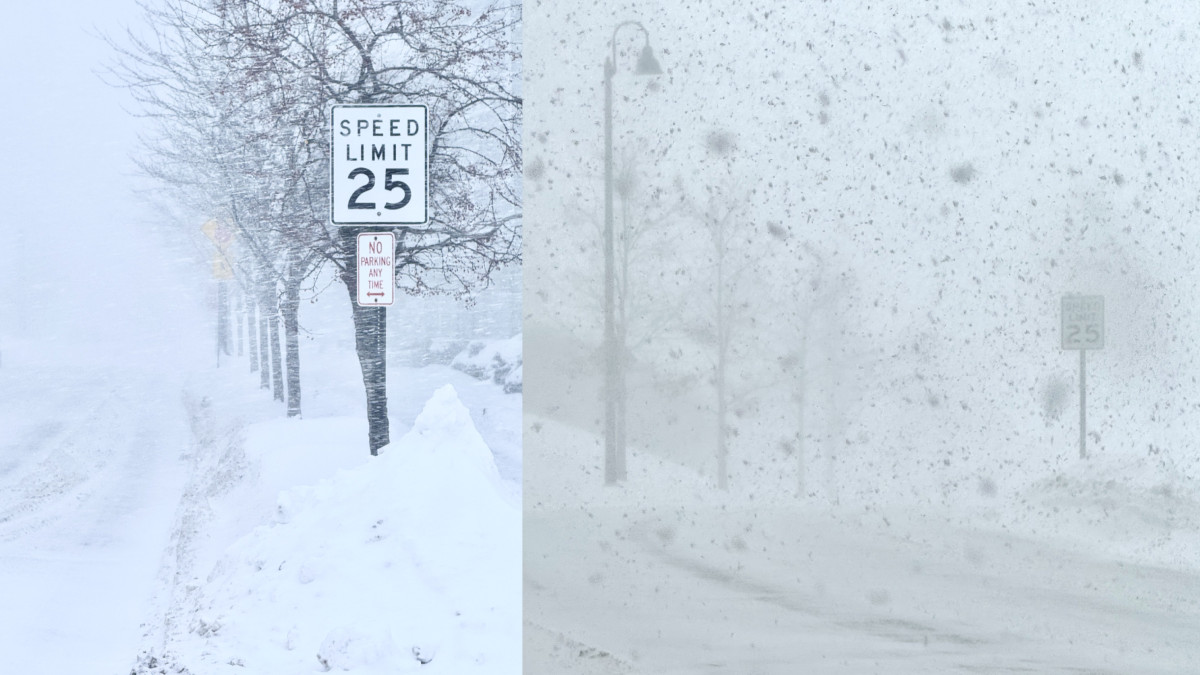
A Violent, Short-lived Burst
A snow squall is the winter equivalent of an intense summer thunderstorm. It is a short, though very powerful, surge of heavy snow and high winds. Although a regular snowstorm can be several days long and produce steady accumulation, a snow squall generally lasts 30 to 60 minutes. But during that brief interval, it can reduce visibility to zero, cause temperatures to plummet, and cause a “flash freeze” on highways.
Why Ohio Residents Only Had Minutes
The NWS office in Cleveland issued the warning on Tuesday right as radar detected a dangerous line of convective snow traveling at 30 mph, shortly before 4:00 PM ET. More than 1.7 million people, including people in Cleveland and those in counties including Lorain, Huron and Erie, received emergency alerts on their cellphones. The warning is intended to be “short-fused” which means it is only triggered when the danger is imminent because the danger resides in the abruptness of the transition from clear skies to all-whiteout.
The Danger on the Roads
Highway safety is the top concern of a snow squall. Because the ground might be wet or just cold enough to let snow melt at first, a sudden fall in temperature turns that moisture into ice in a matter of seconds. Statewide, authorities in Ohio urged drivers on Interstate 71, Interstate 90 and the Ohio Turnpike to pull over or get off the highway. “There is no safe place on a highway during a snow squall,” weather officials advised, because snow squalls are the number one cause of large multi-vehicle pileups.
How to brace for the Next Alert
When you receive a Snow Squall Warning from your phone, experts suggest:
- Resist the urge to travel: Stay at home or work, or don’t take the plunge. The squall is likely to pass in less than an hour.
- Get Out of One Way: If you’re driving, leave the closest exit. Do not stop on the shoulder of a high-speed road, as a lack of visibility will send other cars crashing down on you.
- Lights On, Speed Down: When you get into the squall, turn on your headlights (low beams) and hazard lights, reduce your speed greatly, don't slam on your brakes.