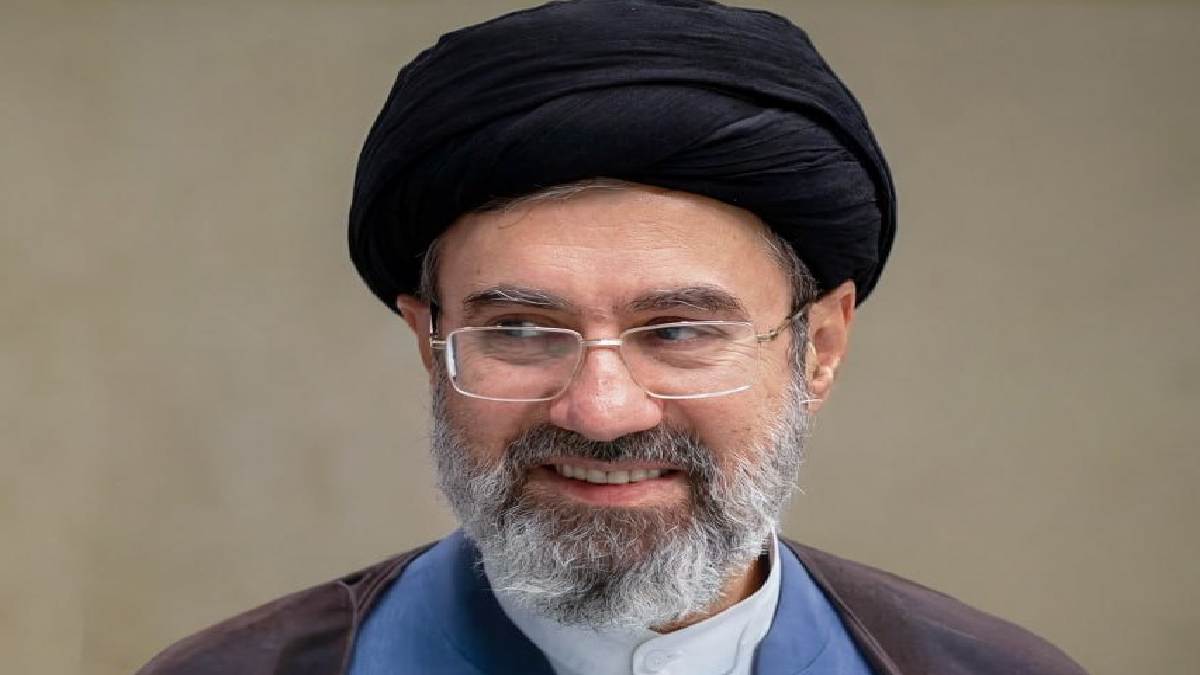
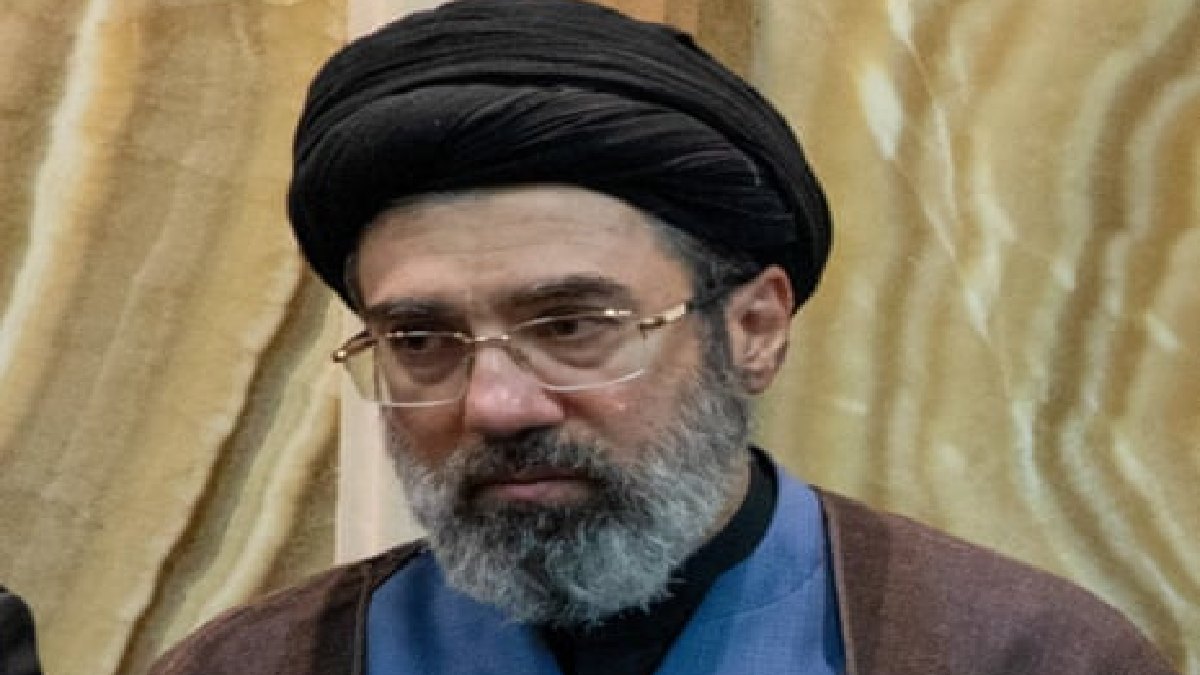
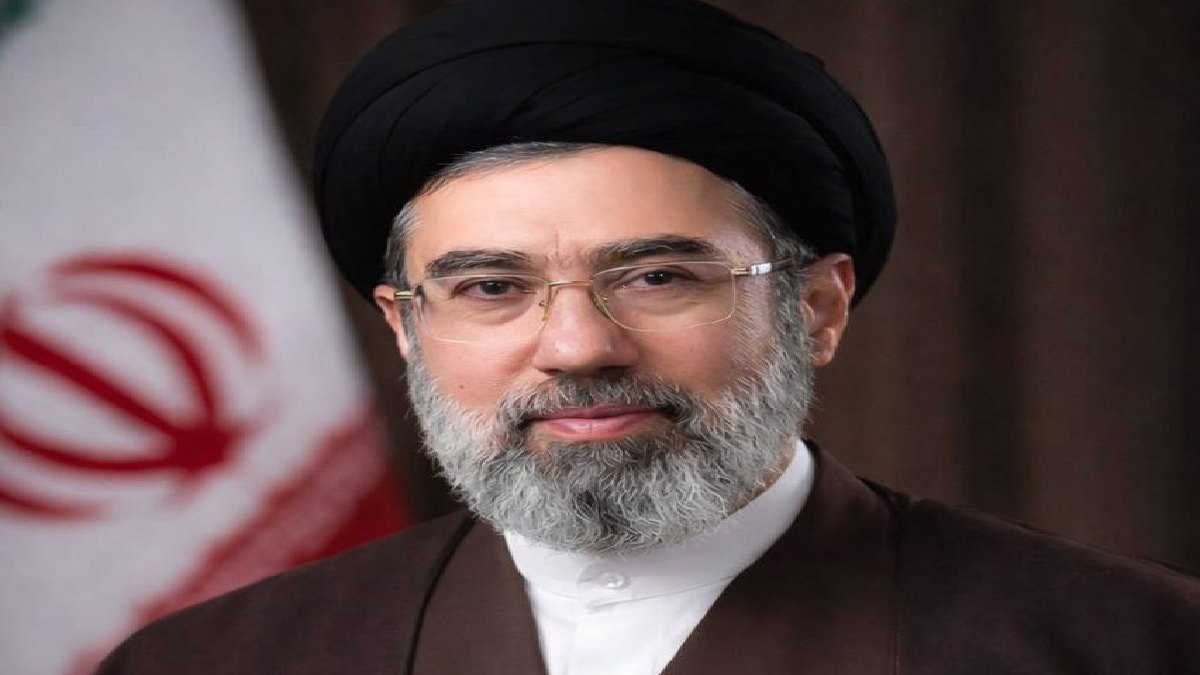
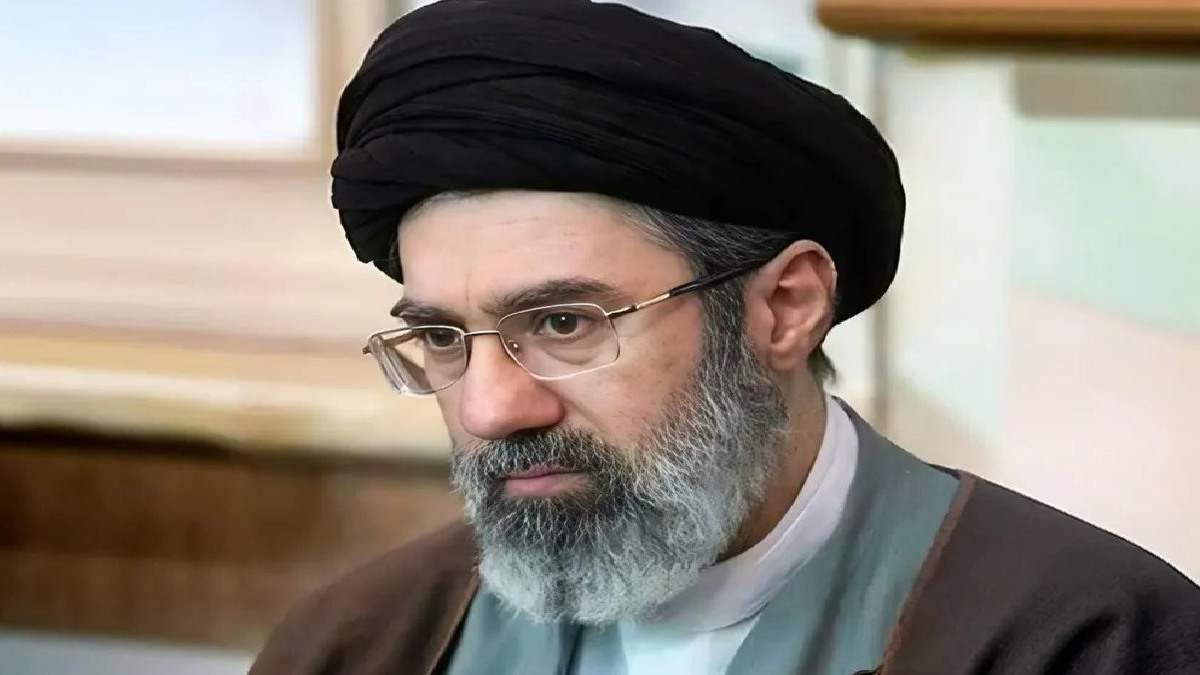
Questions are growing over the whereabouts of Mojtaba Khamenei, Iran’s newly appointed Supreme Leader, after he has remained absent from public view since taking office. His sudden disappearance from the public eye has sparked speculation about his health, with reports suggesting he may have been injured during recent airstrikes targeting Iran amid escalating regional conflict.
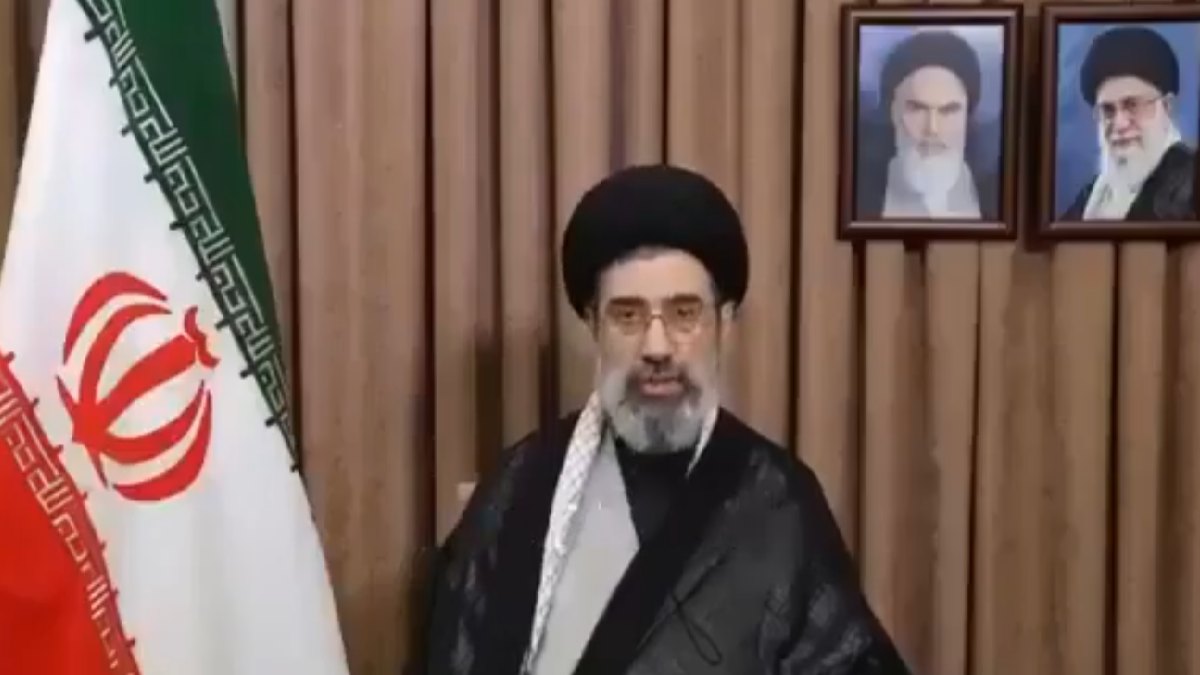
Mojtaba Khamenei, the son of Iran’s long-time leader Ayatollah Ali Khamenei, rose to power after his father was reportedly killed during a series of U.S.–Israeli strikes linked to the ongoing Middle East conflict. The country’s Assembly of Experts moved quickly to appoint the 56-year-old cleric as the new Supreme Leader, a position that holds ultimate authority over Iran’s military, government, and judiciary.
However, since his appointment, Mojtaba has not appeared in public or delivered any official address, fueling widespread speculation about his condition. Iranian state television has referred to him as a “janbaz,” a Persian term meaning a wounded veteran, which has led analysts to believe he may have suffered injuries during recent attacks or military strikes.
The absence of clear information has triggered rumors across social media, including unverified claims about serious injuries or even death. Despite these circulating reports, no credible confirmation has been issued by Iranian authorities or major international news organizations. Analysts say the lack of public appearances could also be linked to heightened security concerns following the killing of his father and the ongoing war situation.
Some political observers believe the secrecy surrounding Mojtaba Khamenei’s condition reflects the complex power dynamics within Iran’s leadership. The powerful Islamic Revolutionary Guard Corps (IRGC) is widely believed to have played a crucial role in supporting his elevation to the country’s highest political and religious office.
Critics argue that his continued absence raises questions about who is currently exercising real authority in Tehran. While supporters portray his injury status as a symbol of sacrifice during wartime, opposition figures claim it may signal internal uncertainty within the Iranian establishment. For now, the Iranian government has not provided detailed information about his health or when he might appear publicly, leaving the world watching closely for the first confirmed sighting or statement from the country’s new leader.