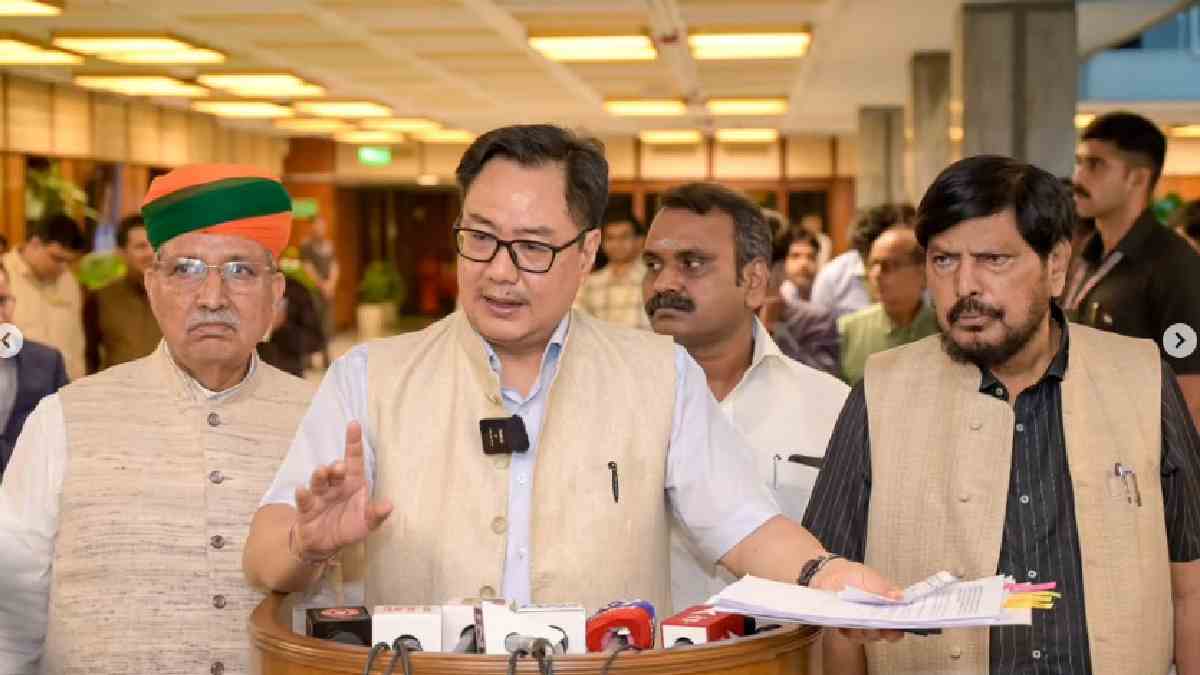
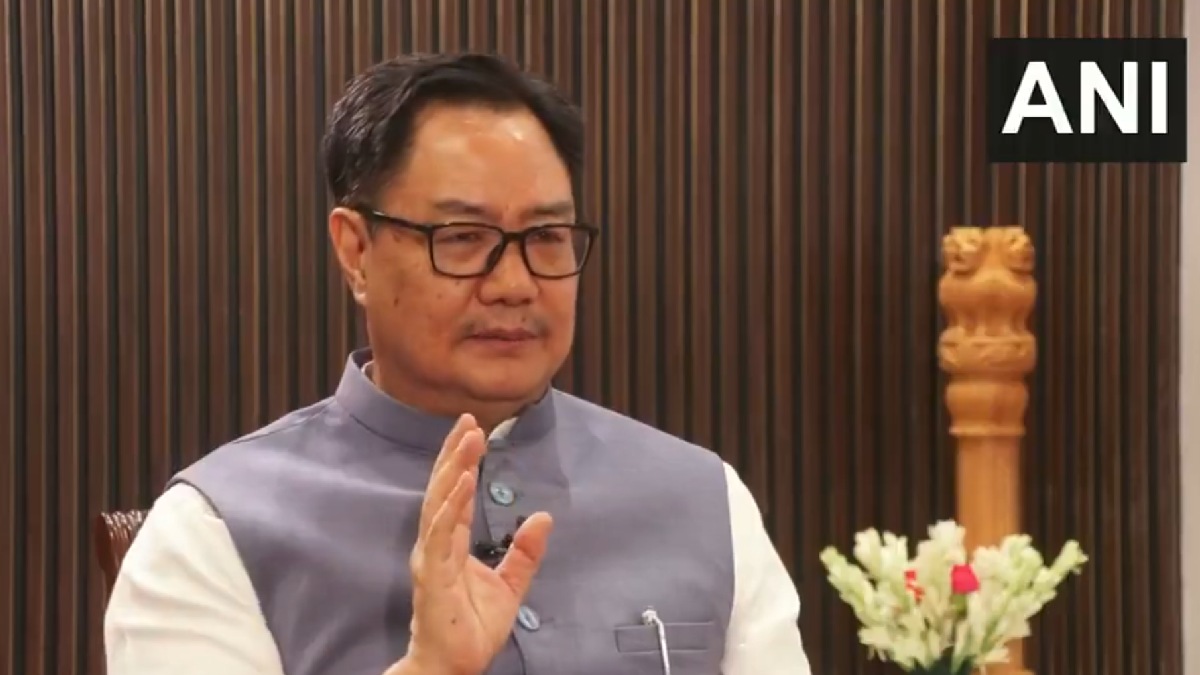
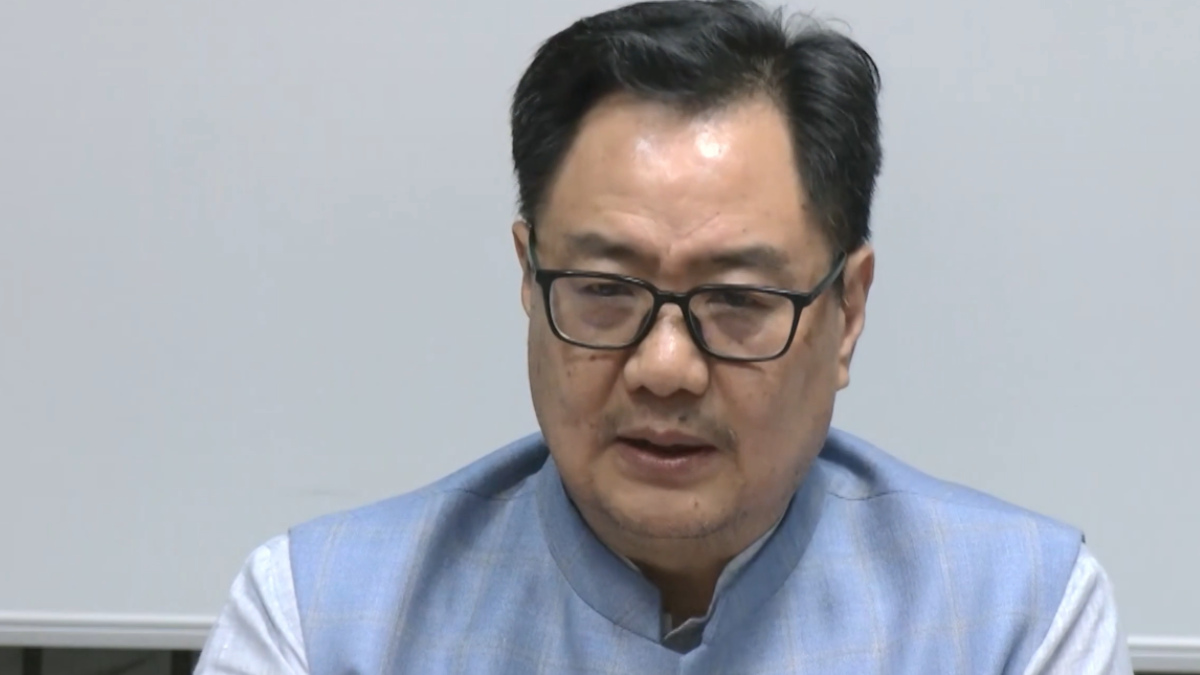
Union Minister Kiren Rijiju has intensified the political debate over the Congress-led opposition's "vote chori" allegations, citing earlier parliamentary remarks by former Union law minister Kapil Sibal and former law minister M Veerappa Moily. Rijiju took on the Congress’ current criticism of electronic voting machines (EVMs) and the Election Commission of India.
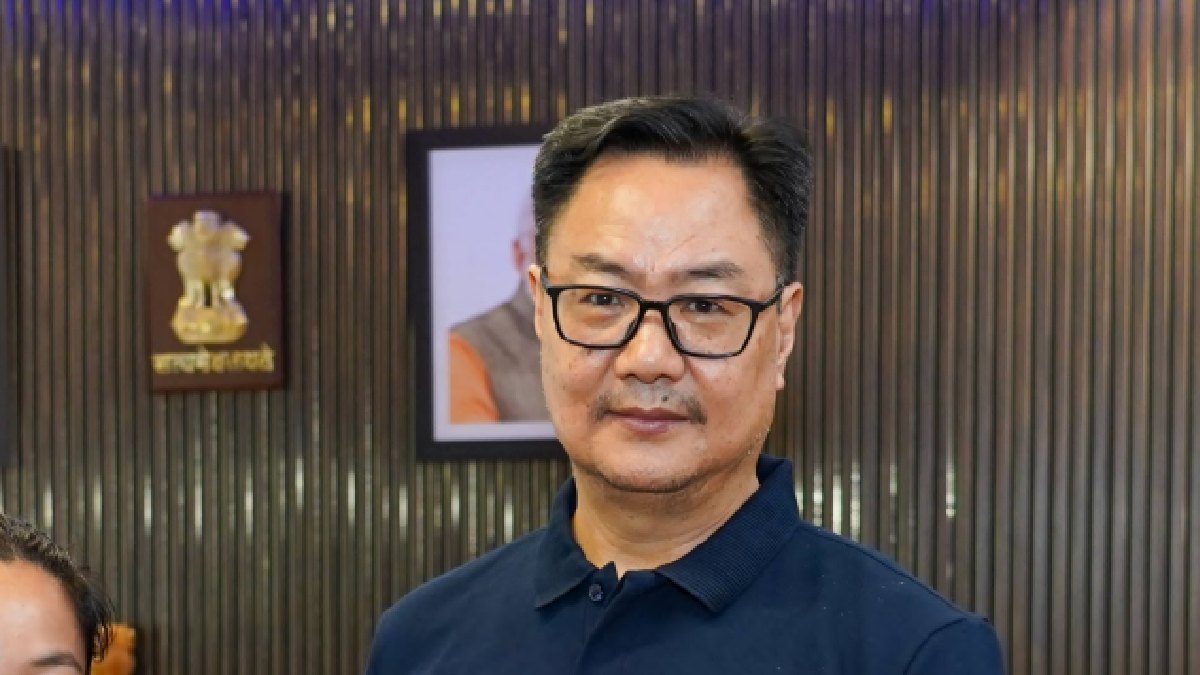
In a post on X, Rijiju also shared an old speech by Sibal and said the former Congress leader’s previous remarks had in his opinion contradicted the party’s present position. Rijiju also took a personal swipe at Sibal, saying he appreciated the former minister’s remarks on the issue of alleged electoral irregularities.
BJP leader Jyasabha Bhattacharya's comments came at a time of much wider political unrest over the Election Commission and SIR of electoral rolls. Opposition parties led by the Congress have been complaining about the voter-list revision and have been demanding the resignation of Chief Election Commissioner Gyanesh Kumar.
The Election Commission has maintained that the electoral-roll process is legally valid and the opposition has claimed it is being manipulated, and the BJP has rejected the allegations.
Rijiju also referred to the remarks made by former Congress leader and Union law minister M Veerappa Moily in the Lok Sabha. Moily’s previous parliamentary position on EVMs weakens the Congress’ present argument against the voting system, Rijiju said. The minister described both former law ministers’ statements as evidence against what he said is the Congress’ current campaign.

The comments have come at a time when the opposition’s “vote chori” campaign has become a major political issue. Opposition leaders have challenged the conduct of the electoral roll revision process and have sought greater accountability from the Election Commission. Their concerns have been primarily on the SIR exercise and the potential implications of changing voter lists.
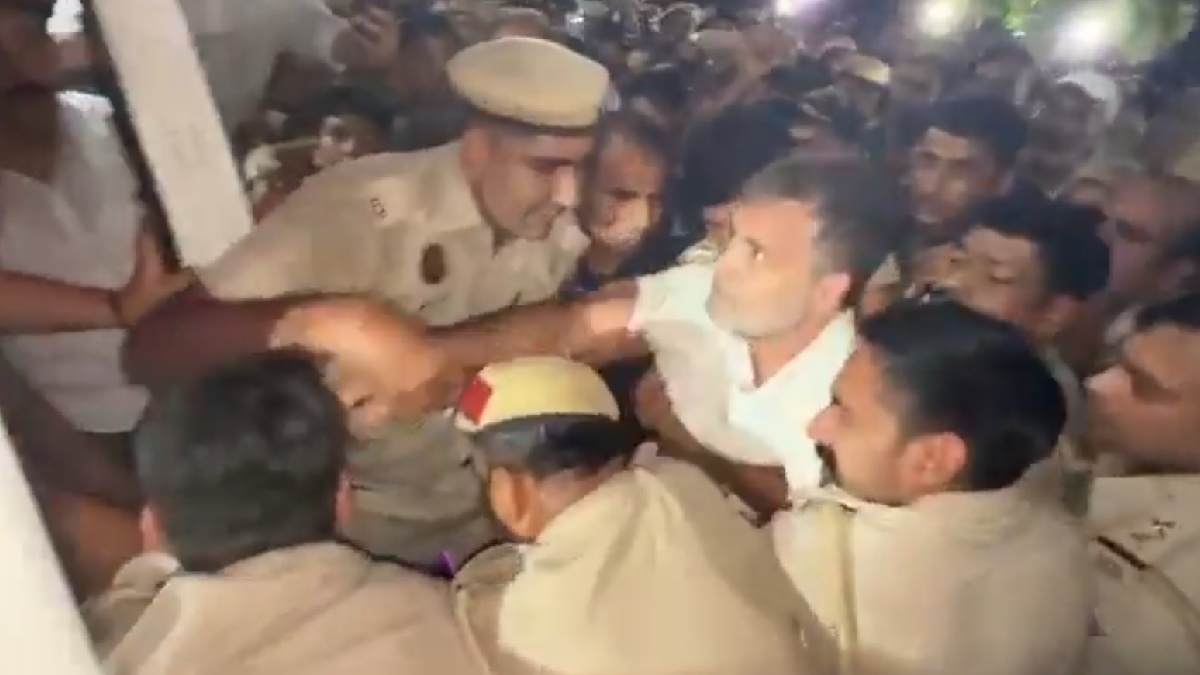
The political dispute intensified on October 6 when INDIA bloc MPs marched from Parliament towards the Election Commission headquarters in New Delhi. The protesters asked for the resignation of CEC Gyanesh Kumar and raised questions about electoral roll changes.
Police stopped the march before it reached the Commission’s office, and several opposition leaders were detained during the protest.
Rahul Gandhi and other opposition leaders continued their protest after the march was stopped. The opposition has maintained that voter-list revision is a matter for the Election Commission and public confidence in the electoral process needs to be maintained. The BJP, on the other hand, has accused the opposition of targeting constitutional institutions after electoral defeats.
I don't like Kapil Sibal as he is always found to be protecting the corrupt, extremists & anti social elements. For the first time, I like him because he has exposed the bogus vote chori drama of Congress party through his old speech in Parliament as Law Minister!! https://t.co/7o51J7UMfC
— Kiren Rijiju (@KirenRijiju) October 6, 2026
Rijiju also referred to the opposition campaign against the Election Commission and the Supreme Court as “drama” and wondered how long such criticism would continue. He said political parties should concentrate on public service and winning public support rather than repeatedly attacking constitutional bodies. His comments were part of a wider BJP response to the opposition protest.
The BJP has also challenged the opposition's criticism of the electoral system by pointing to elections that opposition parties won. Other BJP leaders have also pointed out that parties can never question the credibility of the electoral system only when they disagree with certain outcomes.
They are political arguments which are supported by the ruling party and are still in the present electoral system dispute.
The controversy comes at a time of growing political discord over the SIR exercise. Opposition parties have argued that changes to electoral rolls could affect eligible voters, while authorities have defended voter-list revision as part of the process of keeping accurate electoral records. The dispute has also brought attention to the role of the Election Commission and the safeguards in voter registration.
Rijiju’s decision to invoke Sibal and Moily’s earlier statements adds more to the debate. Rather than just focusing on the present allegations, the minister has sought to point out what he considers to be differences between the Congress’ past positions and its present arguments on EVMs and elections.
The episode also shows how the electoral process has become a focal point of political fight between the government and opposition. The Congress and its allies are pressing their case for institutional accountability and the BJP is denying the allegations, saying the opposition is eroding public confidence in constitutional institutions.
Even with protests going on and both sides still holding very different views, the debate over electoral rolls, EVMs, and the Election Commission is likely to continue.
The immediate focus is, however, on the SIR process and the opposition’s demand for action from the Election Commission, while the BJP continues to defend the electoral system and challenge the basis of the “vote chori” allegations.