India’s rich wildlife heritage is being celebrated on World Elephant Day and the country’s vital role in keeping the Asian elephant and its natural habitats intact is underlined.
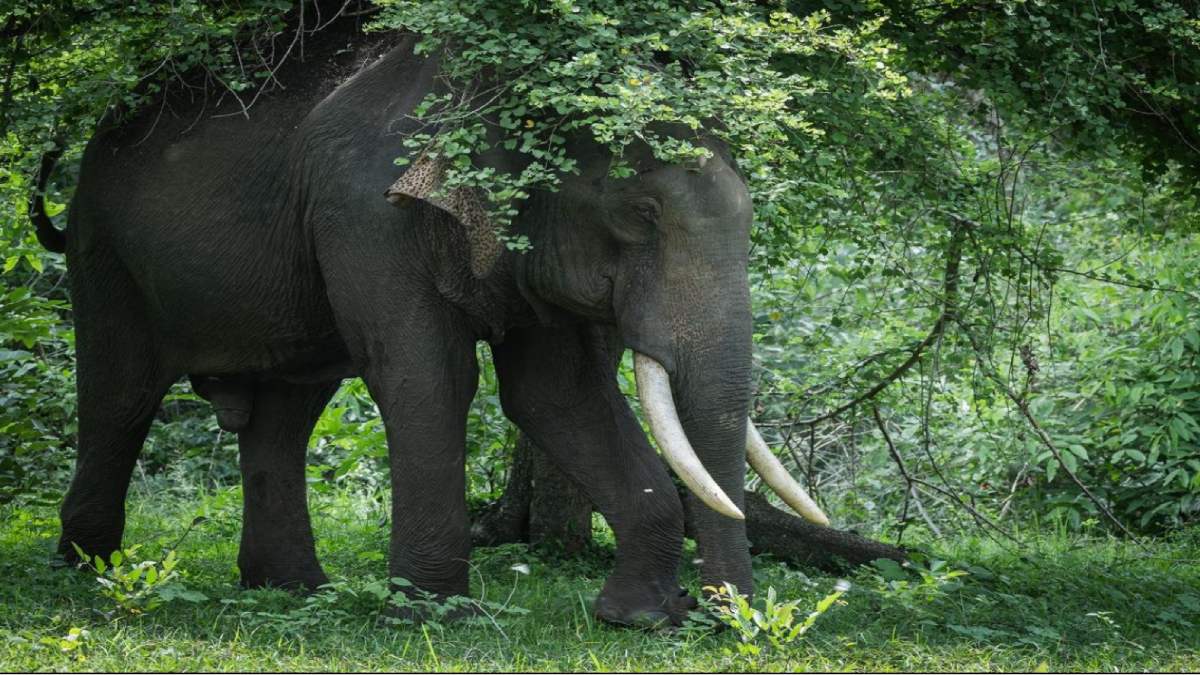
India is home to almost 60% of the world’s wild Asian elephant population and is a crucial country for elephant conservation globally. The species is an important part of India’s ecosystem (and so much more in our culture) and also very much of a cultural value to the people of India.
The occasion is for the people and the government to recognise the ecological importance of elephants and the extensive conservation work done in forest departments, wildlife experts, scientists, veterinarians, mahouts and local communities. Currently, India has 33 Elephant Reserves in 14 elephant-bearing states and the huge areas of wildlife are used for elephant movement, feeding and breeding. In addition, government conservation efforts have identified 150 elephant corridors all over the country and it is important for this to be connected between fragmented habitats.
Elephants are also known as ecosystem engineers, as their movement and feeding are important in determining the structure of forests and grasslands. They spread seeds over vast distances, help to make way through dense vegetation and contribute to the restoration of plant communities. Besides their own survival, they influence many other species that share the same landscapes.
India’s conservation framework comprises Project Elephant which was launched in 1991-92 to protect elephants, their habitats and corridors, and address human-elephant conflict and improve the welfare of captive elephants through the management of elephants. A key part of our wildlife conservation strategy in India is to manage elephant landscapes and not to protect animals only in isolated protected areas.
Elephant Reserves were a significant part of this approach. At present, 33 Elephant Reserves have been established in 14 states according to the Ministry of Environment, Forest and Climate Change. Tiger reserves, wildlife sanctuaries and reserved forests can all be part of these areas which can be managed in concert for conservation and habitat conservation.
But protecting elephants is a very complex task. With a huge number of people in India and a bigger population than before, wildlife is under much greater pressure. Forest fragmentation, agricultural expansion, mining, roads and other development activities can reduce the availability of continuous habitat and interfere with traditional elephant movement routes. In areas where elephants go to, either human-dominated or agricultural, conflict is more likely.
So human-elephant conflict is one of the most important problems facing conservation authorities. For long-term conservation humans and elephants must coexist. A lot of elephant habitat is located in villages and agricultural areas so local communities matter. Timely reporting on elephant movements, awareness programmes and cooperation between residents and forest officials can help in the response of elephants who leave forests.
Forest personnel are as important. From monitoring elephant populations and protecting habitats to conflict resolution, forest teams work across challenging landscapes. Veterinarians and wildlife scientists also play a role in health monitoring, research and scientific assessment while trained mahouts are still necessary to the management and care and protection of captive elephants.
India’s conservation achievements also highlight the need to prevent illegal wildlife trafficking. Elephants are protected under India’s wildlife laws and ivory trafficking remains a serious threat. In July 2026, the Directorate of Revenue Intelligence carried out coordinated operations against wildlife trafficking networks in which elephant ivory was among the seized materials; such enforcement efforts highlight the need to address illegal wildlife trade as well as habitat conservation.
The conservation message on World Elephant Day is more than simply about celebrating the animal though. It is also about protecting forests, corridors, water sources and landscapes that enable elephants to live. Because elephants need large home ranges and are constantly in and out of different habitats, ensuring ecological connectivity is important.
India’s position as home to the majority of the world’s wild Asian elephants brings both recognition and responsibility. To protect such a large portion of the global population, there needs to be continued investment in scientific conservation, habitat restoration, corridor protection and community engagement.
On World Elephant Day, we celebrate the majestic elephant which has remained an integral part of India’s ecological heritage. It is gladdening that India is home to over 60% of the world’s wild Asian elephants. Our nation has 33 Elephant Reserves, which provide habitats for… pic.twitter.com/0hOaWcoBPQ
— Narendra Modi (@narendramodi) August 12, 2026
World Elephant Day also serves as a reminder that conservation is a collective responsibility. Forest officials, scientists, veterinarians, mahouts, conservation organisations and local residents all contribute to protecting elephants and their habitats. Collaboration in this regard can help reduce conflict and make better conditions for wildlife and communities.
As India marks World Elephant Day, the focus remains on how to keep elephant life going in healthy natural regions. India has 33 Elephant Reserves, long-term identified corridors and conservation programmes in place and a good framework for elephant protection is now in place. Now this work needs to be supported and development and conservation progress together.