China’s President Xi Jinping has hailed Chinese investments in low-cost artificial intelligence (AI), calling for an open and inclusive global technological order and for the country to develop more advanced technologies. Beijing’s efforts to cement its status as a world leader in AI are evidence of the country’s desire to be at the forefront of AI development in the world.
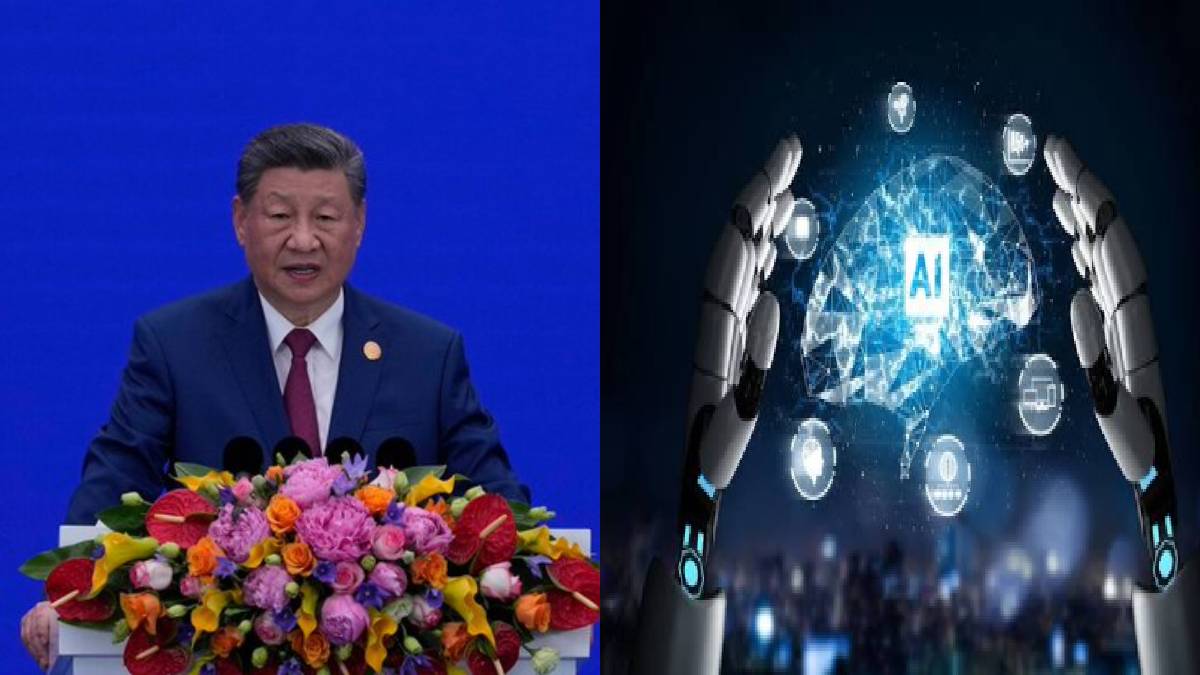
China’s advances in affordable AI technologies represent the country’s commitment to innovation, self-reliance in technology and technological progress, Xi said. As Chinese AI companies develop more advanced and cheaper AI technologies, Chinese AI firms are creating ever more capable and cost-effective models, and China is positioning itself as a significant competitor in the rapidly developing AI industry.
The President’s comment also fits China’s larger vision of growing involvement in new technologies. By offering affordable AI solutions, Beijing is working to make advanced computing tools more affordable for businesses, researchers, developers and governments around the world, particularly in developing markets that look to use AI for cost-effective digital transformation.
The central message that Xi had laid out was a call for a more open global technological order. He said international cooperation, knowledge sharing, and equitable access to technological innovation should guide the future of artificial intelligence development. It is consistent with China’s desire to portray itself as a supporter of multilateral cooperation in science and technology.
China has invested heavily in AI research and development over the past decade. Government-funded initiatives, academic institutions, and private technology companies have helped accelerate innovation in areas such as large language models, robotics, autonomous vehicles, healthcare, manufacturing, financial technology, and smart cities.
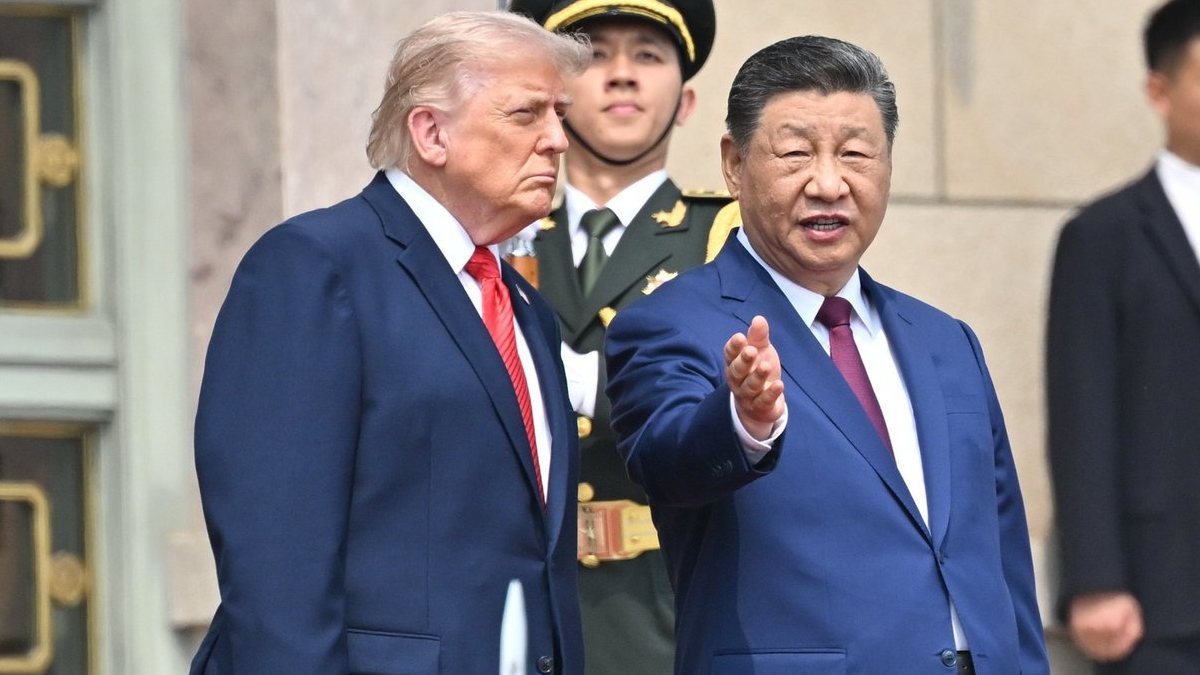
Chinese AI companies’ recent breakthroughs have attracted international attention for providing competitive performance while also having much lower development costs than those of similar AI systems. With the development of AI systems in China, there has been an upsurge in global technology industry discussions on the future of AI development and deployment.
The rapid growth of China's AI ecosystem comes at a time of ever-greater competition worldwide in advanced technologies. Around the world, investments in semiconductor manufacturing, cloud computing, quantum technology and artificial intelligence are increasing in a bid to promote economic competitiveness and national security.
China’s emphasis on reducing technological dependence is reflected in Xi's remarks, too, in their desire to reduce its dependency on foreign companies through local innovation and entrepreneurship, he says. In recent years, it has been accelerating its semiconductor industry, computing infrastructure, and AI talent pipeline development, and has encouraged cooperation between universities, research institutions, and private firms.
China’s AI strategy supporters say lower-cost AI models could help democratize access to advanced technology by eliminating barriers for startups, schools and small firms, lowering the cost of technology. Cost-effective AI solutions may be more widely adopted in different industries and enable economic growth and innovation in developed and emerging markets.
At the same time, international discussions on AI continue to focus on responsible development, cybersecurity, data privacy, intellectual property and ethical governance. Governments and international organizations are working on standards that promote innovation and address growing AI systems and potential dangers.
China has long supported global dialogue on AI governance, in which technologies are interlinked with security, fairness, and a global cooperation approach. Xi's comments back up Beijing’s point that future AI development should be inclusive and accessible, not become mired in geopolitical rivalry.
As artificial intelligence is transforming industries and economies globally, China’s increasing interest in developing affordable, high-performance AI technologies is anticipated to have a huge impact on global innovation, digital transformation, and international technology partnerships.
With AI being one of the defining technologies of the 21st century, Xi Jinping’s call for a more open technology order signals China’s desire to remain at the forefront of global AI development and to engage the world in the future of artificial intelligence.