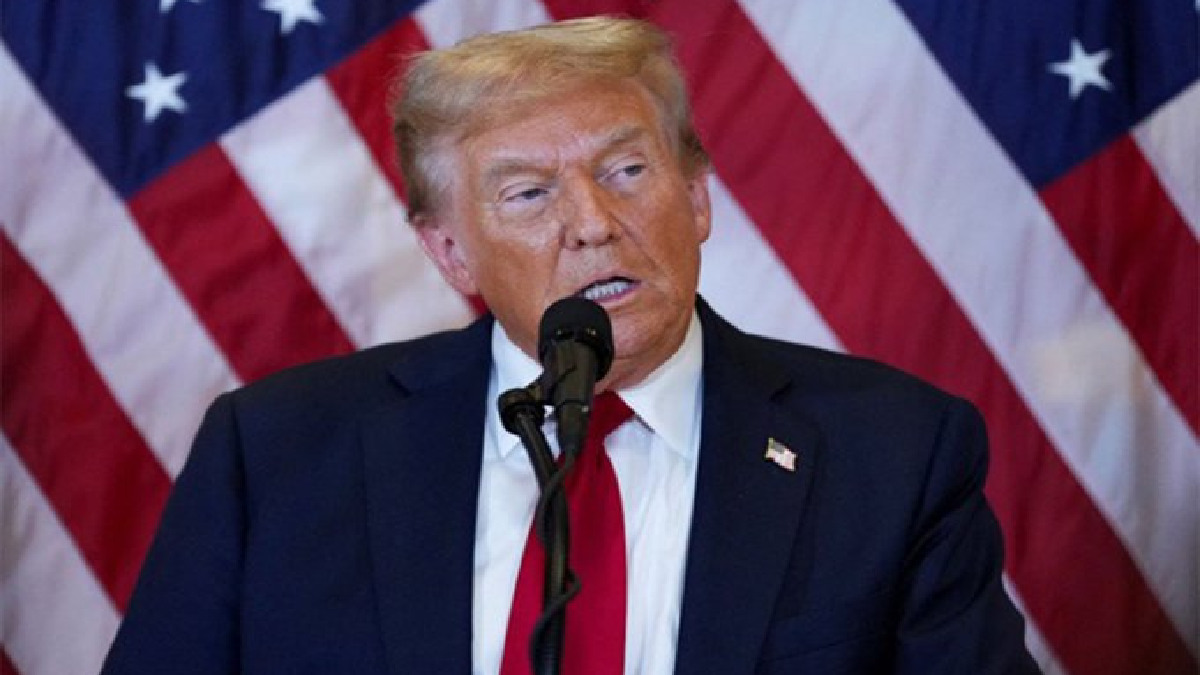
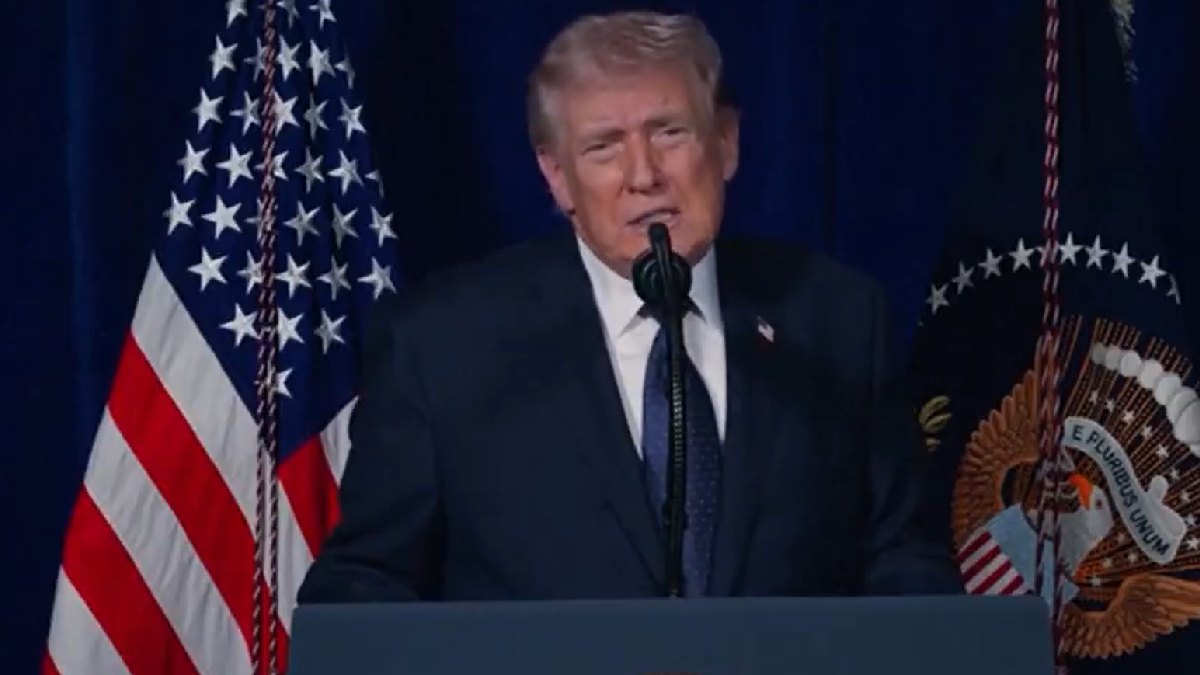
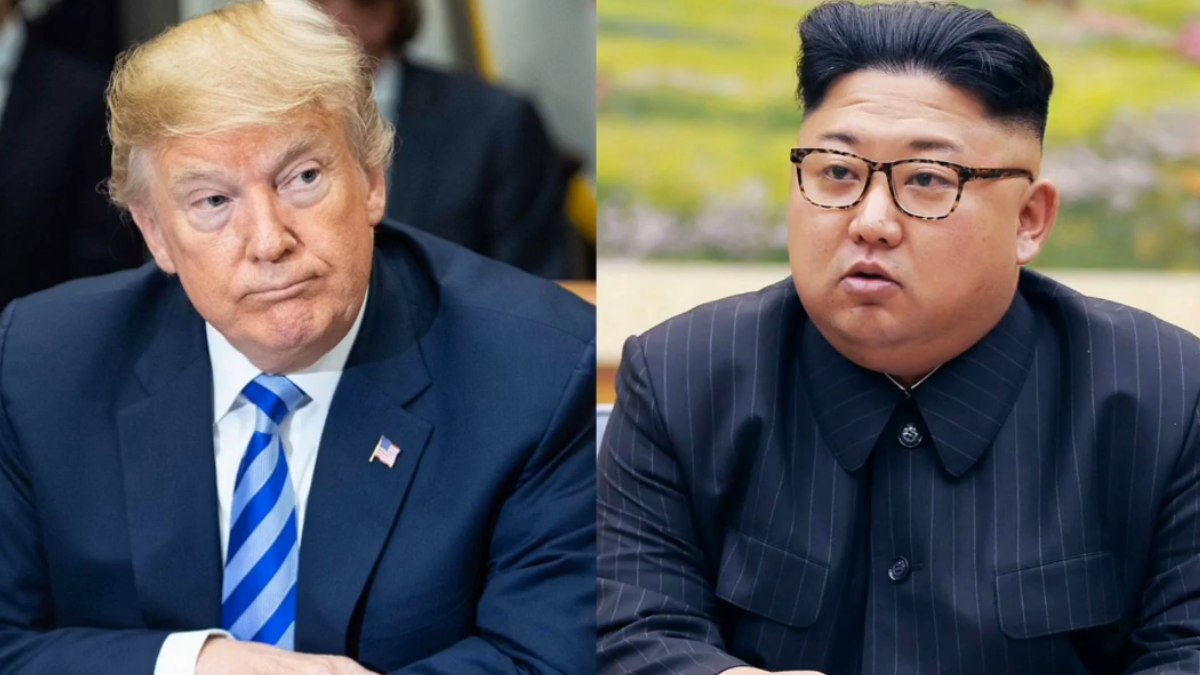
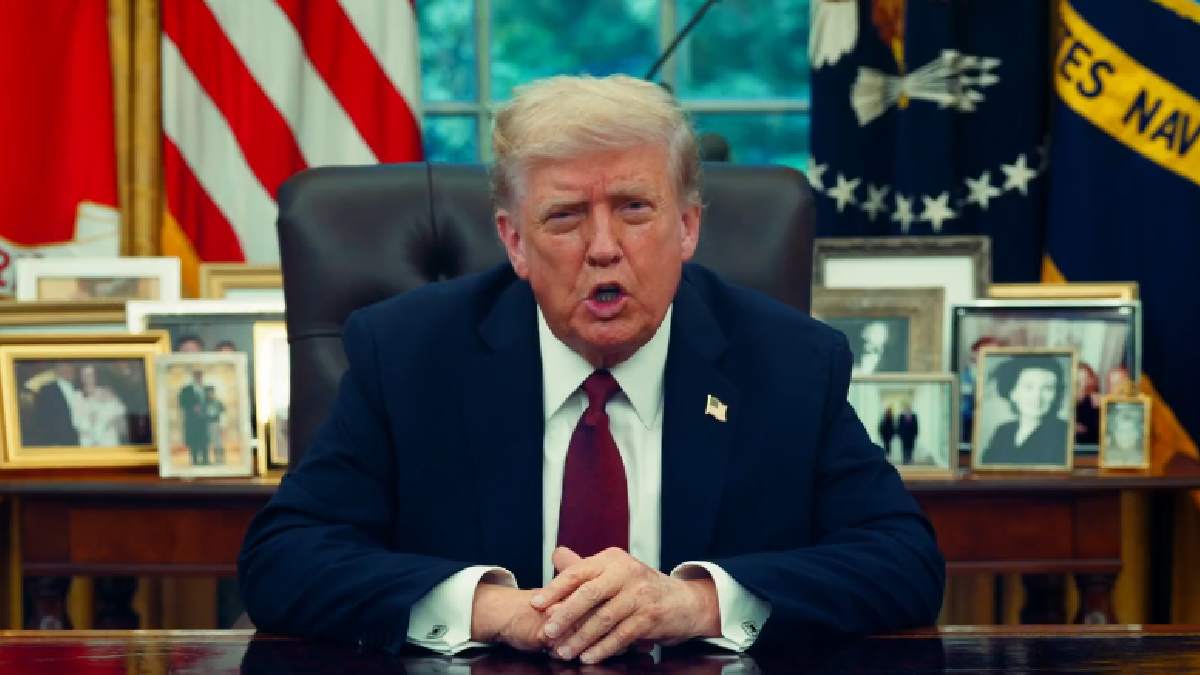
Xi Jinping has sounded a very stern warning to the President of the U.S. Donald Trump over the sensitive issue of Taiwan, warning that any mismanagement can result in "direct conflict" between China and the US.
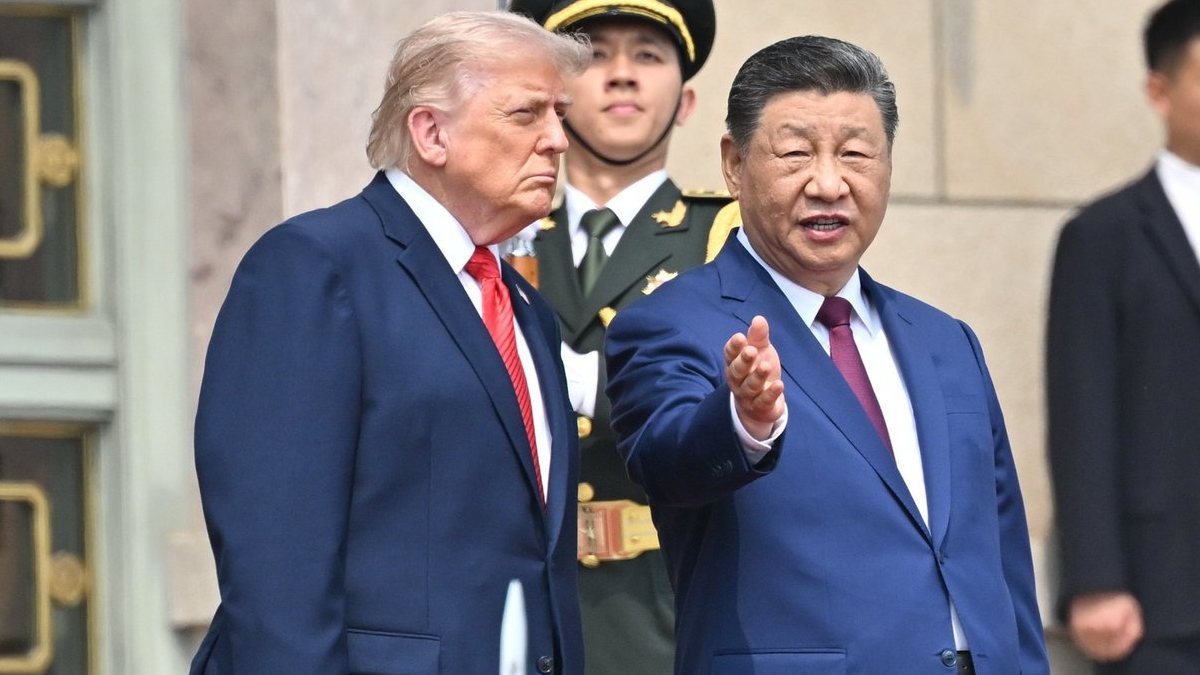
That warning occurred along with rising tensions between Washington and Beijing about Taiwan, military action in the Indo-Pacific and increasing geopolitical competition between the world’s two largest economies. Xi stressed that Taiwan is the “core of China’s core interests” and that outside interference would have serious consequences for bilateral relations.
The Taiwan issue is said to be the biggest and most dangerous flashpoint in US-China relations, Xi says. He warned that such a handling could result in a confrontation or perhaps even physical conflict between the two nations. Taiwan is also one of its own territories, the Chinese government says, based on a “One China” principle and has staunchly resisted the political or military assistance presented to Taipei by foreign countries.
Beijing has also condemned growing American military and arms cooperation with Taiwan. Donald Trump, who, of course, remains a dominant figure in American politics leading up to the U.S. presidential election cycle, has repeatedly taken a hard line on China over trade, technology, military expansion and Taiwan.
His remarks and his policy beliefs rank atop the list of Chinese leadership. Xi’s most recent warning was delivered at a time when Chinese military activity on Taiwan has intensified significantly. In recent months, Beijing has conducted several naval and air force exercises near the island, which Taiwan views as intimidation.
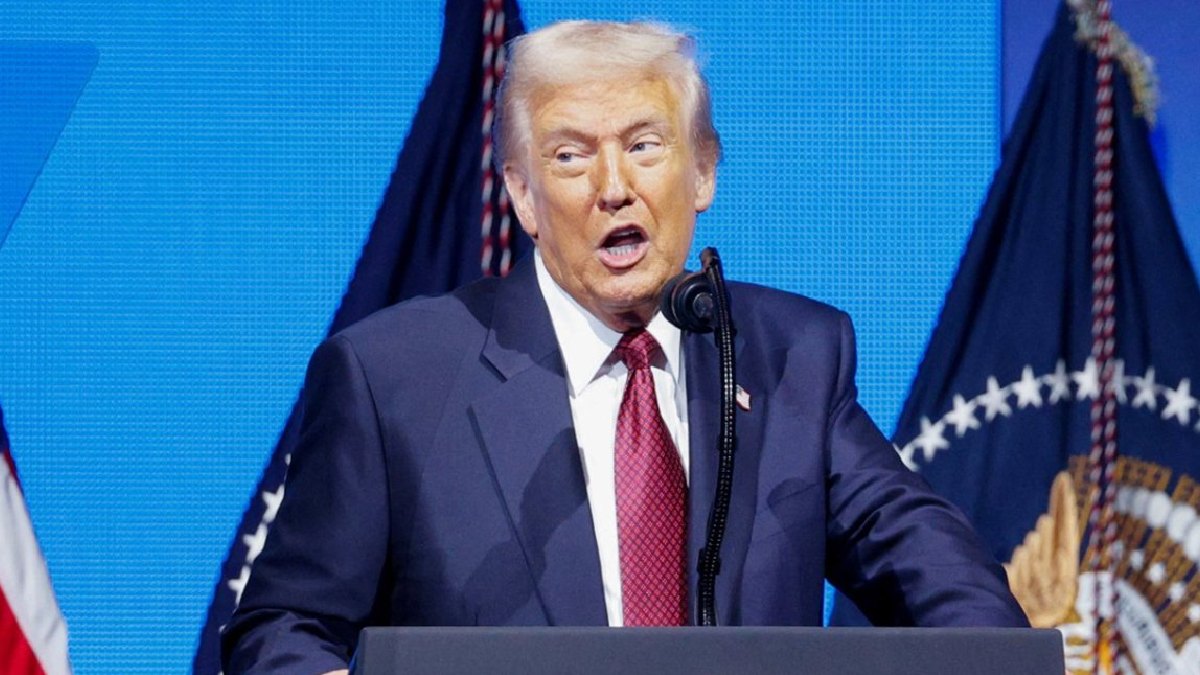
Meanwhile, the United States has maintained its strategic support for Taiwan under long-term security commitments, even while officially continuing to endorse the “One China” policy. Throughout this time, Washington has kept stressing peace and stability in the Taiwan Strait, making no bones about peaceful measures to prevent new agreements on anything unilateral, suggesting altering its present situation.
The Taiwan issue remains, according to analysts, the world’s greatest geopolitical challenge and will continue to cast a shadow over trade patterns, military alliances and Indo-Pacific security relationships should the relations between China and the United States deteriorate further.
Global markets and foreign observers are monitoring China and Washington closely as technology restrictions, as well as trade disputes, security challenges, military influence, and regional security challenges, grow on the world stage.