A ferry accident in Zimbabwe’s Lake Kariba has left at least 15 people dead and 27 others missing when a ship sank and the boat capsized, causing an emergency search and rescue operation to erupt into a major disaster and rescue operation. Residents and traders in the remote areas in the backwater of the Zimbabwe-Zambia border have been shocked by the tragedy.
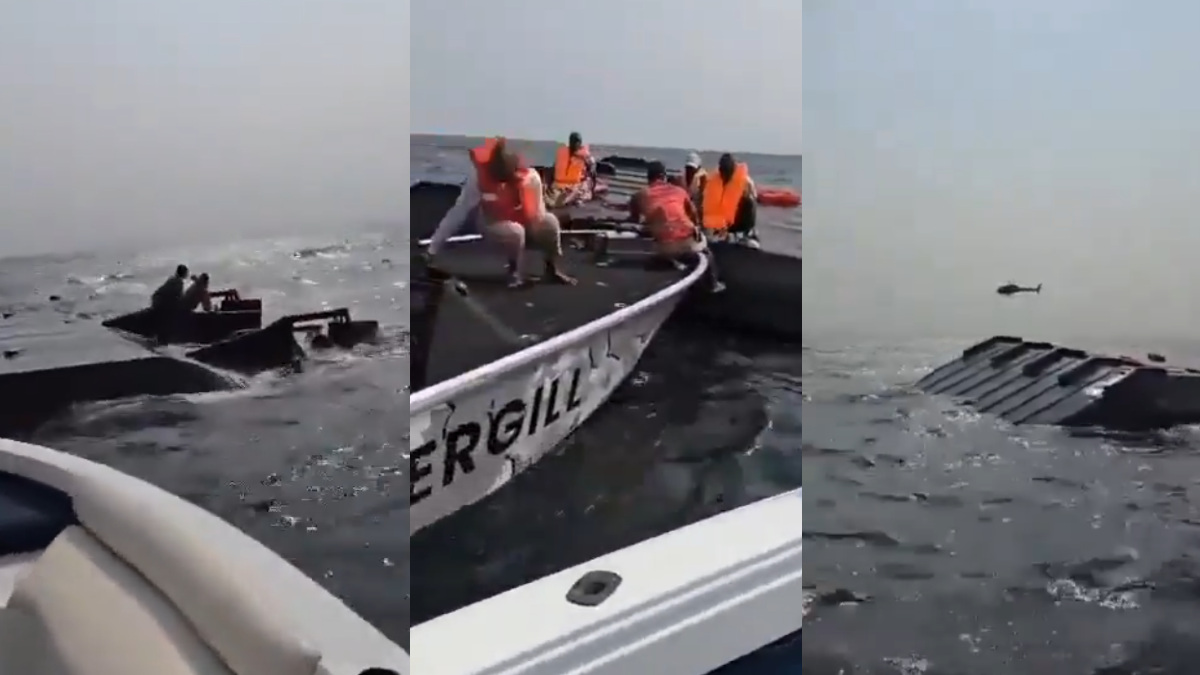
Local authorities said that the boat overturned when passengers were travelling across Lake Kariba. The boat may have been overloaded, significantly exceeding its recommended capacity, at the time of the accident, the investigation says. A strong wind and rough waters could have also been responsible for the accident; it was said that the boat started to sink and wave in the air before it suddenly capsized.
A police unit, local fishermen, marine officials, marine authorities and emergency workers who arrived on the scene as soon as the disaster was reported were involved. Search efforts were launched within hours, and boats and other search-and-rescue teams began in the lake, and vessels were used to search for survivors and recover victims as soon as it was possible to put the bodies of the victims out. Fifteen dead bodies were recovered from the lake, and dozens of people were pulled out of the water. But 27 people are still missing, and the death toll is expected to rise dramatically in the coming days.
Lake Kariba, one of the world’s largest man-made lakes, lies across the border of Zimbabwe and Zambia and is used for transportation, fishing and tourism. While it is essential for local livelihoods, the lake has also been the site of a number of maritime accidents over the years, mostly due to overcrowding, inadequate safety measures and unpredictable weather conditions.
Survivors described harrowing moments after the boat began taking on water. Many passengers were said to have been trying to reach for life-saving equipment when the boat began to sink; many were unable to get to safety as the boat was rapidly turning over. Some survivors managed to cling to floating debris as they stayed on the surface and waited for assistance to come to get out of the boat to save the survivors when it began to wash up in the water. Others were rescued by fishermen who rushed to help after witnessing the accident.

There are now formal investigations into the tragedy that are under way. Safety regulations are being examined, and whether the ferry had more passengers than it was legally allowed. The weather was a factor at the time, and ferry operators were doing the right thing, they said.
Government officials expressed their condolences to families of those who lost their lives and offered help in search and recovery efforts. Emergency services have been directed to continue the search for as long as possible, and additional resources have been deployed to increase the chances of finding survivors. Medical personnel and counsellors have also been provided to help families and survivors deal with the trauma of the disaster.
Maritime safety experts say the incident has raised the urgent need for more robust passenger limits, better safety checks on ships serving inland waters and life jackets on vessels operating on inland waterways to be used so that the safety of people is regulated, and life jackets are required to be used on ships in the future. They say the safety awareness campaigns and better emergency preparedness on the shoreline of this kind could help prevent similar tragedies in the future.
With rescue efforts ongoing on Lake Kariba and rescue efforts still being conducted, hope that some of the missing people on Lake Kariba still exist alive, there is hope some of the missing passengers are still alive. But with each passing hour, families and officials are still searching for their loved ones, as families and authorities are not optimistic that any of the passengers are. The tragedy has once again brought home to mind the danger on the overcrowded boats and the need for a maritime safety regime to be followed to safety standards for Africa’s water bodies, as well as a safety regulation of the boats that has to be enforced.
The nation is grieving by losing lives as search and rescue teams work feverishly to reach families who have been left grieving for one of the deadliest boating disasters to strike the region in recent years.