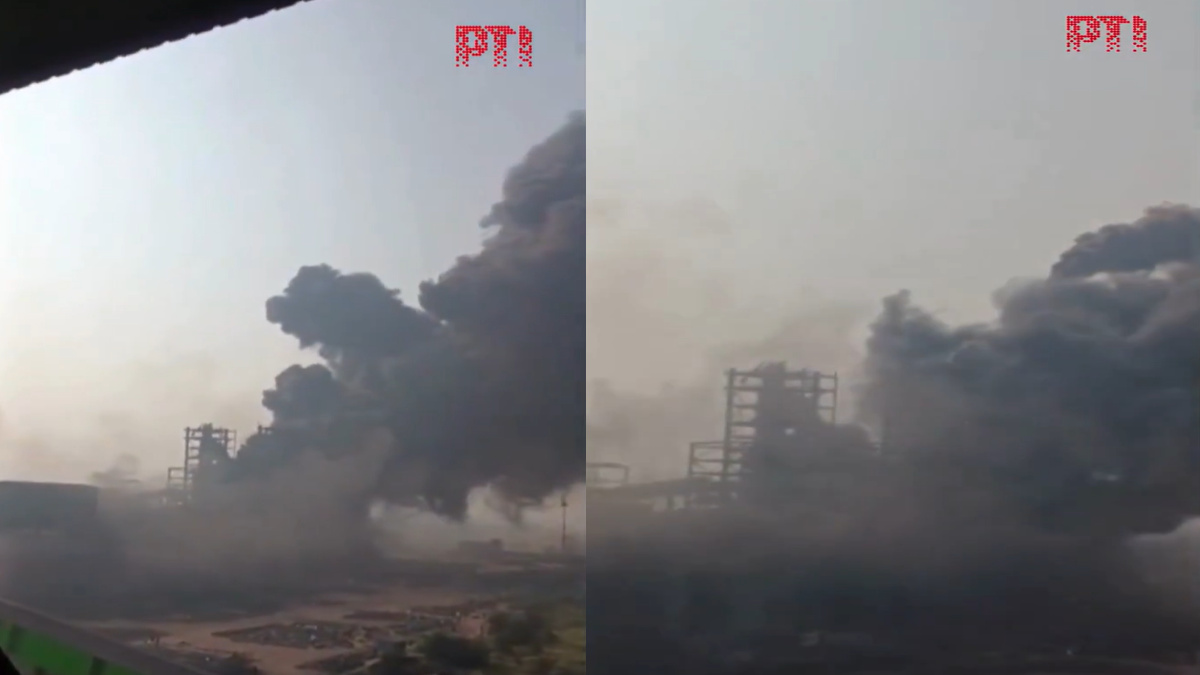
The Chhattisgarh government in recent months revealed that 196 workers have lost their lives in industrial accidents in the last 17 months, underlining the need for better workplace safety and occupational health standards in the state's industrial sector. We were able to share these results with the Assembly as a response to the question of how industrial accidents affect workers and what we are doing about it in our factories, mines, manufacturing units, and other industrial sectors.
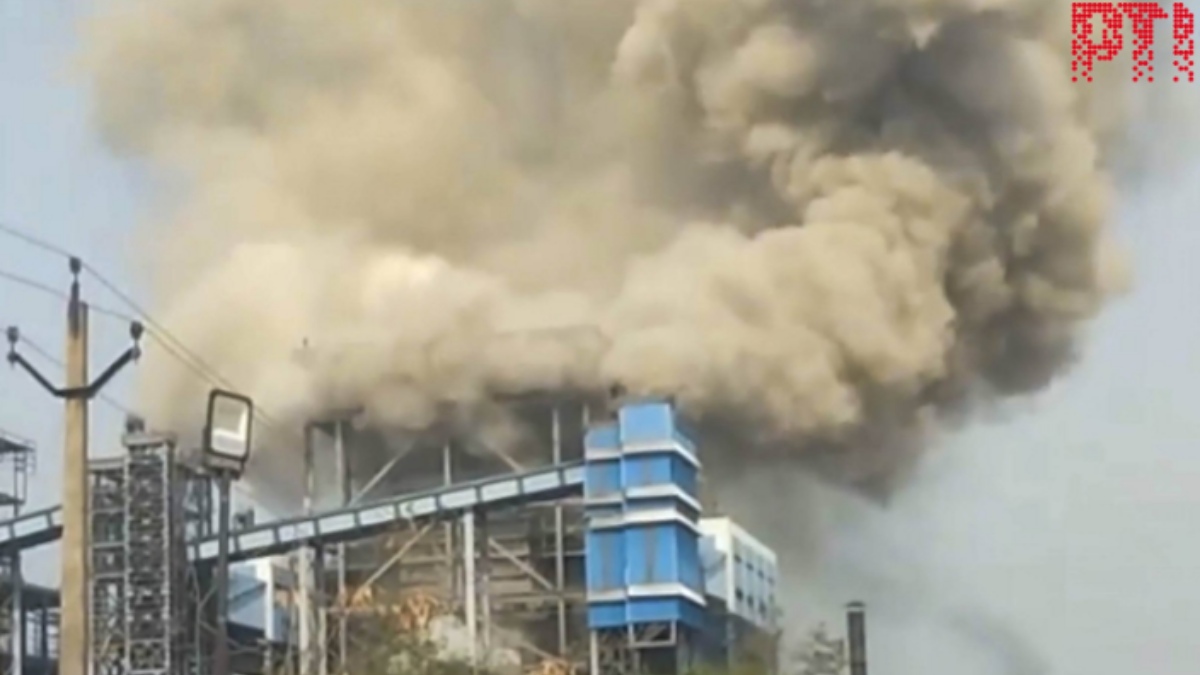
According to the Assembly data, the fatalities occurred across a wide variety of industries during the 17 months. While the data indicated that the number of workers who died was high, the awareness of the safety requirements and performance of safety standards was also high and the implementation of the industrial health and safety standards was key. Industrial accidents are a concern in developing regions where manufacturing, mining, steel production, power generation, and infrastructure are all large employers.
The disclosure has put new fire under policymakers, labour representatives, and industrial bodies. A labour rights perspective is that every industrial fatality is not just a personal tragedy to the families but a chance to review the safety of workplaces and prevent them from happening again. They have also called for better inspections, regular safety audits, better training, and stronger accountability if negligence is found.
Industrial safety experts say workplace accidents can be a result of equipment failure, insufficient safety training, inadequate protective gear, unsafe machinery, hazardous working conditions, electrical faults, fires, explosions, structural collapses, and failure to follow procedures. Prevention of these incidents requires that employers, employees, regulators, and safety professionals work together to address and mitigate workplace risks.
Chhattisgarh is one of India’s major industrial states with substantial mining, steel, cement, power, and manufacturing facilities. The abundant mineral resources of the state have attracted significant investment in the industry and have created jobs, but high safety standards in the workplace have also been required. Heavy equipment, hazardous chemicals, and mining operations often need to adhere to occupational safety regulations to protect workers from potential hazards.

The government has repeatedly said that labour welfare and industrial safety remain top priorities, and departments conduct inspections and monitor compliance with labour and factory laws. In general, employers should provide safe work environments, protective equipment, emergency response procedures, and workers are required to undergo safety training. Regulatory agencies are also responsible for investigating serious industrial accidents to determine the cause and take corrective measures where necessary.
Occupational safety experts stress that safety culture has to go beyond legal compliance. Regular employee training, emergency preparedness drills, equipment maintenance, risk assessments, and open reporting systems can reduce accident rates. They also stress workers must report unsafe conditions without fear of retaliation so hazards can be avoided and injuries or deaths can be prevented.
Labour groups have been stressing that the families of workers who die from industrial accidents are often financially and emotionally hard up. They have pushed for timely compensation, social security benefits, and rehabilitation for deceased workers’ families. Providing prompt relief, they argue, is a key part of workers’ rights and accident prevention measures.
The Assembly data has also renewed the demand for investment in modern safety technology. Automated monitoring systems, real-time hazard detection, advanced protective equipment, digital maintenance tracking, and predictive risk analysis are being increasingly implemented to improve workplace safety. Industrial accidents and operational efficiency are expected to be reduced if such technologies are combined with regular human oversight.
As India's industrial sector grows and workers' safety remains a top priority, policymakers find that as the economy expands and investment increases, sustainable industrial development will be one of its key components, and many companies will have to operate in safe and regulated markets not just because of a strong regulatory framework in place but also because they will have to work in a safe environment and do so with responsible corporate practices.
STORY | Chhattisgarh: 196 workers died in industrial accidents in 17 months, govt informs assembly
— Press Trust of India (@PTI_News) July 17, 2026
A total of 196 workers have died in multiple industrial accidents across Chhattisgarh in 17 months in 2025 and this year, the state government has said, rejecting allegations by… pic.twitter.com/woHbOJiql6
The disclosure in the Chhattisgarh Assembly reminds us all of the ongoing need to enhance safety in the workplace. Industrial development is a huge part of employment and economic growth; yet preventing workers from dying from accidents is a shared responsibility of governments, employers, regulatory authorities, and workers. Safety training, inspections, technology adoption, and enforcement of labour laws will be key to reducing industrial accidents and saving workers’ lives in the future.