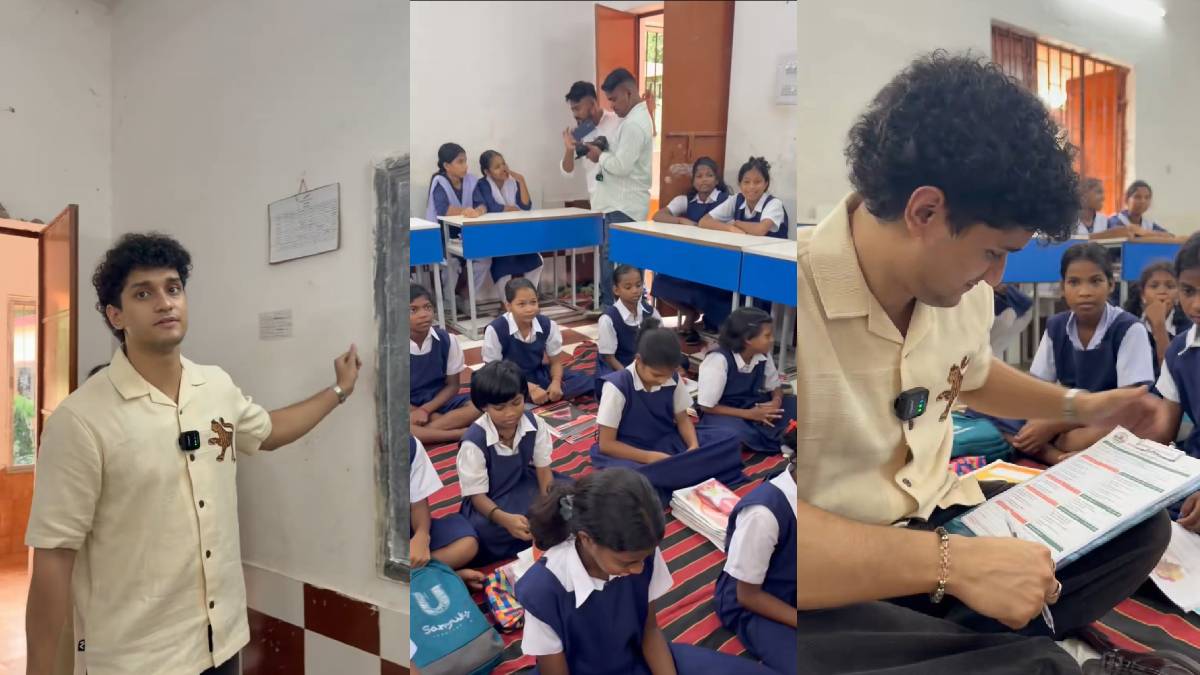
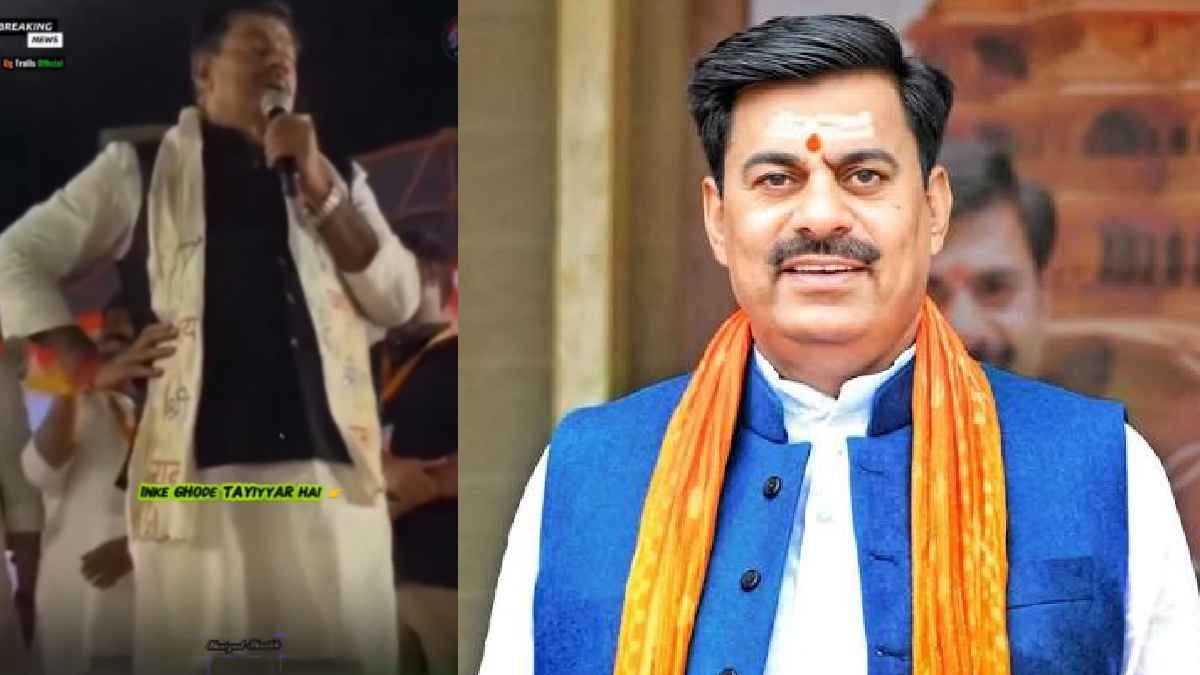
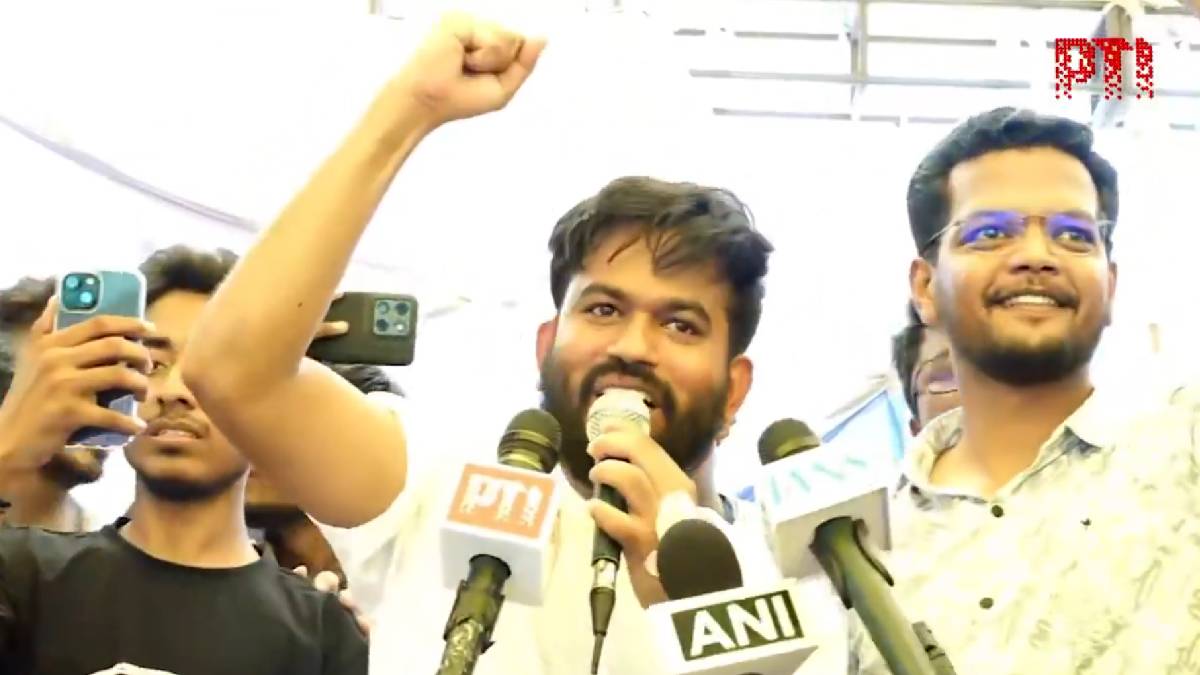
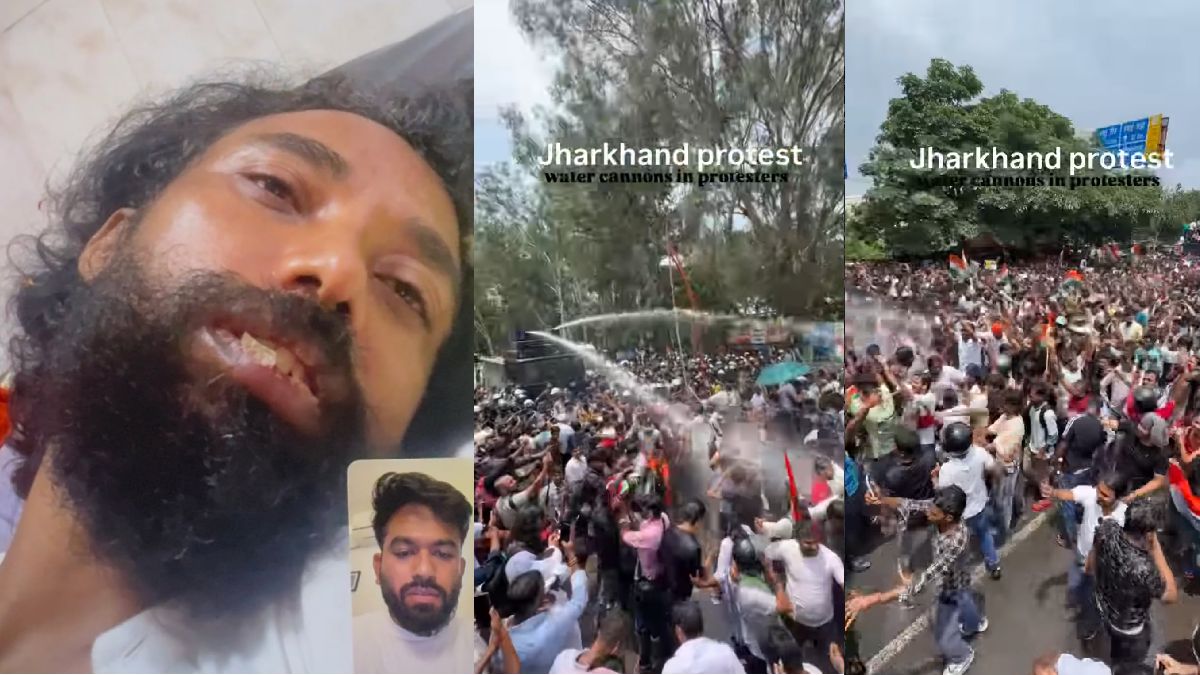
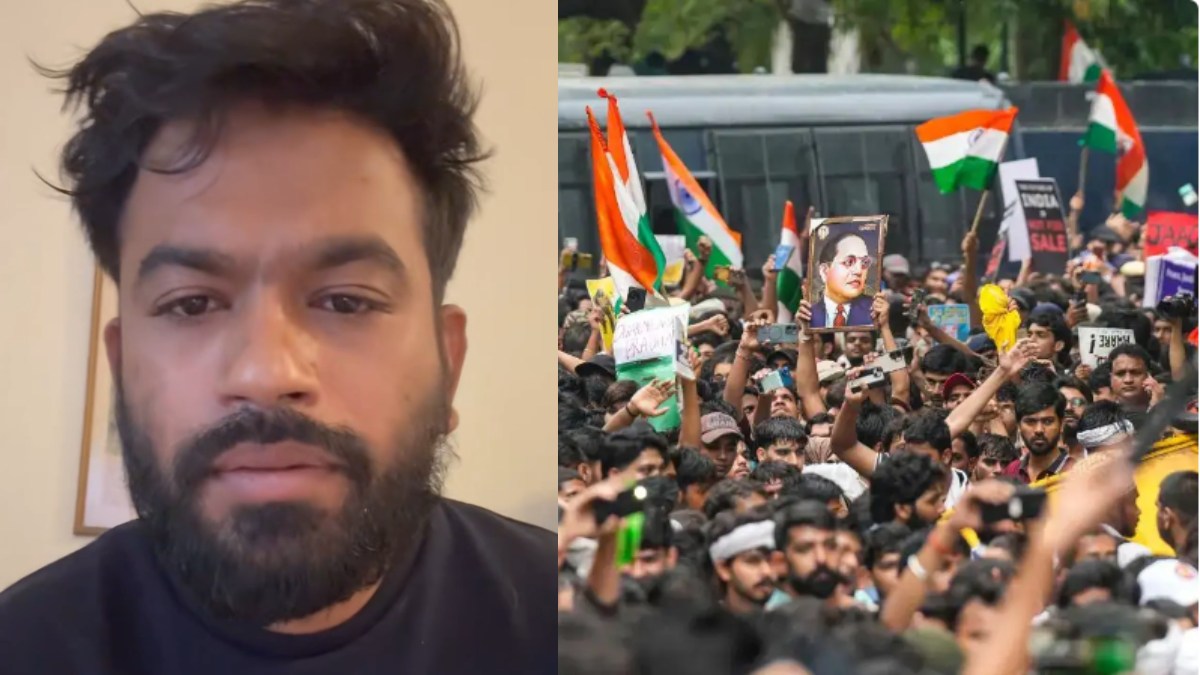
A political comment about Abhijeet Dipke has raised questions about what he is, or does he have any power to address public grievances when nobody is paying attention to him and the issues he is raising on social media and the political circuit.
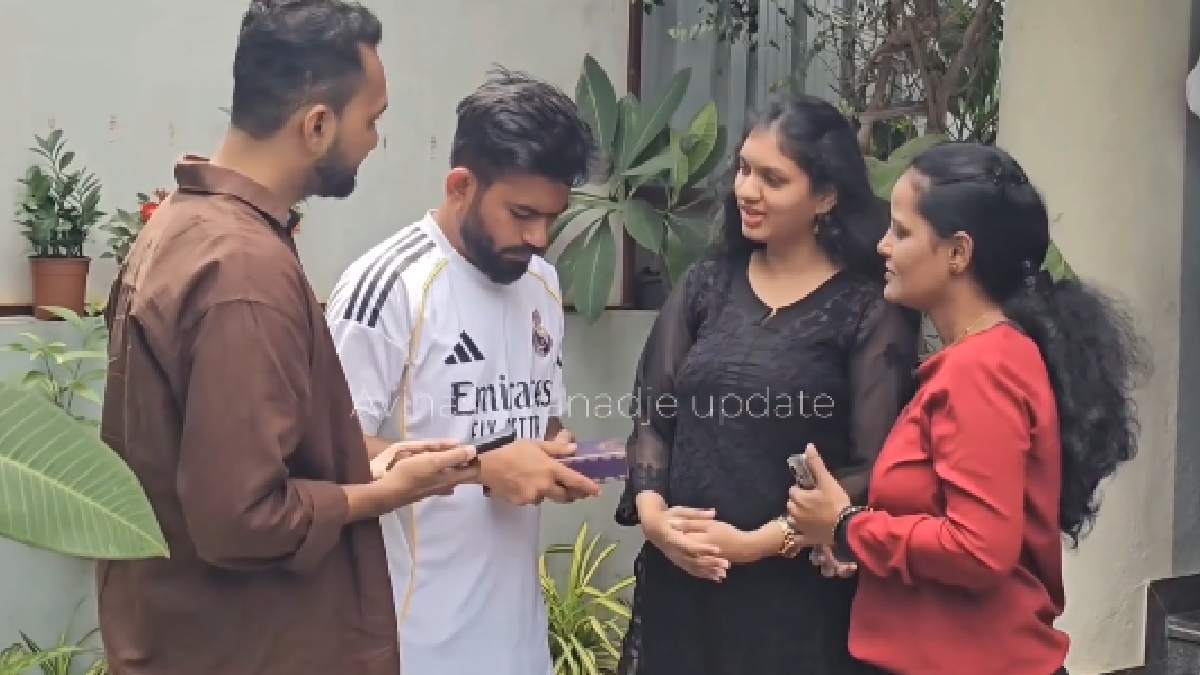
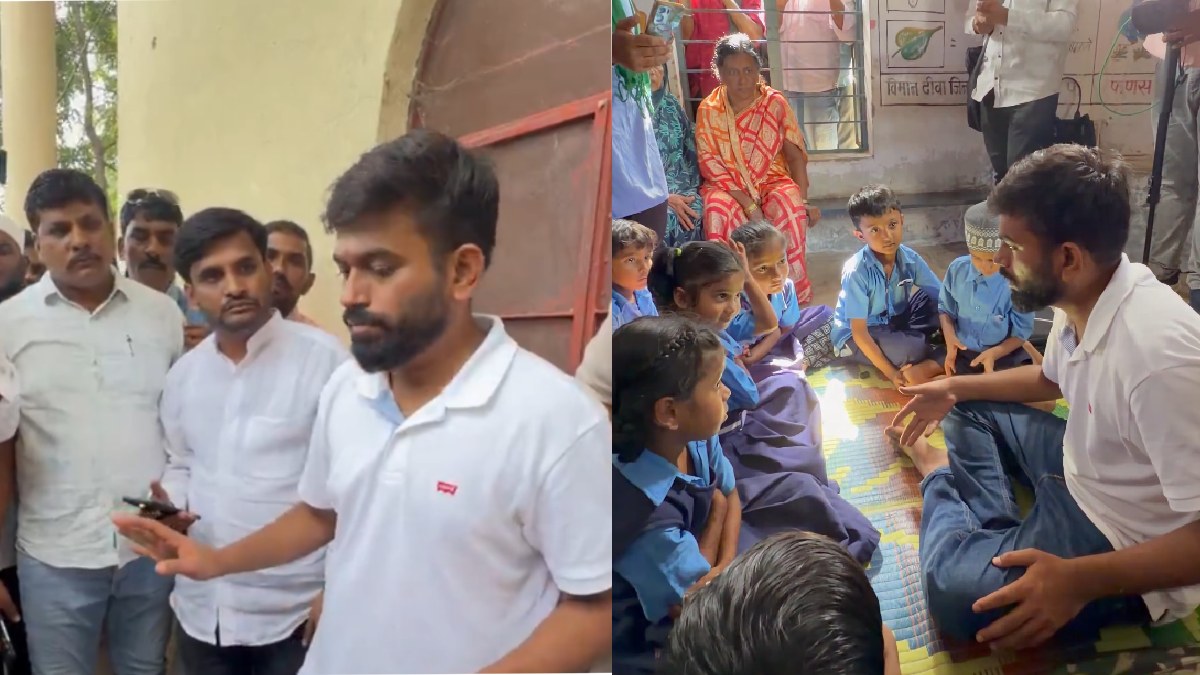
Dipke has been meeting several people at his residence every morning, the statement says. The claim is that about 10 to 20 people approach him with their personal or civic problems, after which he assures them that their concerns will be addressed.
The remarks have attracted a lot of attention as they compare Dipke's actions to those of senior government officials such as a Chief Minister or District Magistrate. The criticism asks what formal authority Dipke has to promise solutions to people's problems.
The central issue is what is the difference between political power and constitutional or administrative power. A Chief Minister heads the elected state government and manages the state administration; a District Magistrate has administrative powers for a district.
A political worker, party functionary, or public figure may certainly raise citizens' issues, but that does not necessarily mean they have executive authority to do so.
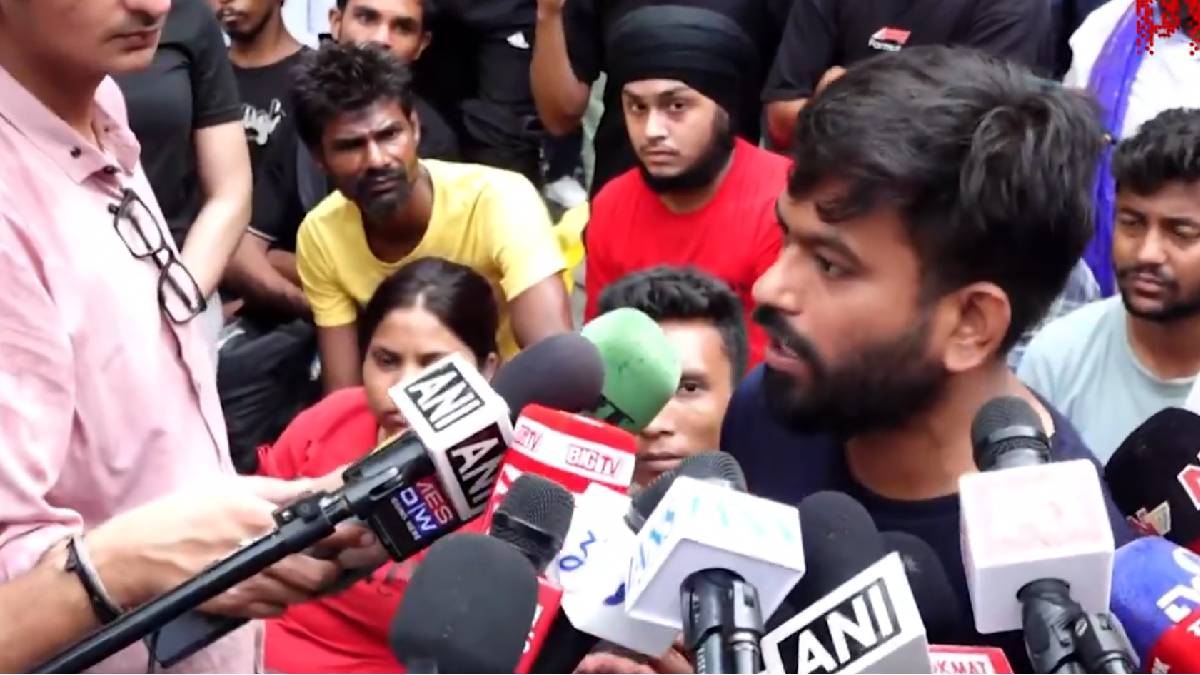
Public representatives and political leaders frequently act as intermediaries between citizens and government departments. They may lodge complaints to officials, recommend action, follow up on applications, or use their political influence to push for a response. However, the final decision generally rests with the department or competent government authority.
This Abhijeet Dipke has started thinking he's the Chief Minister of Maharashtra or a District Magistrate.
— Amit Kumar Sindhi (@AMIT_GUJJU) August 8, 2026
Every morning, he calls 10–20 people to his house, asks them about their problems, and assures them that he'll get them resolved.
What authority does Dipke even have? At… pic.twitter.com/CQtUWEhtCd
The statement also challenges Dipke's presence on social media and suggests that his ability to act may be limited to posting about issues on platforms such as Instagram and X.
Social media can draw a lot of attention to the grievances and sometimes cause the authorities to act, but it is not an official government order from social media, so a social media post is not an official government order.
But at the same time, meeting citizens and listening to their problems isn’t something that’s very unusual for anyone in public life. Political leaders and activists frequently hold public meetings, grievance sessions, and outreach programs to try and get to know what’s going on in the community.
But how well they do that depends on the person’s position, links to government officials, and a capacity to follow up on the matter.
So the controversy is a bigger question of public service versus political influence versus official authority. Citizens may approach influential people, for they think their complaints will get faster attention. But government decisions have to be made by officials or elected authorities who have the legal authority to make those decisions.
The comments about Dipke will likely fuel further discussion about political visibility in Maharashtra and expectations on people who present themselves as problem-solvers. For the public, it remains a distinction: raising an issue is different from having the authority to officially resolve it.