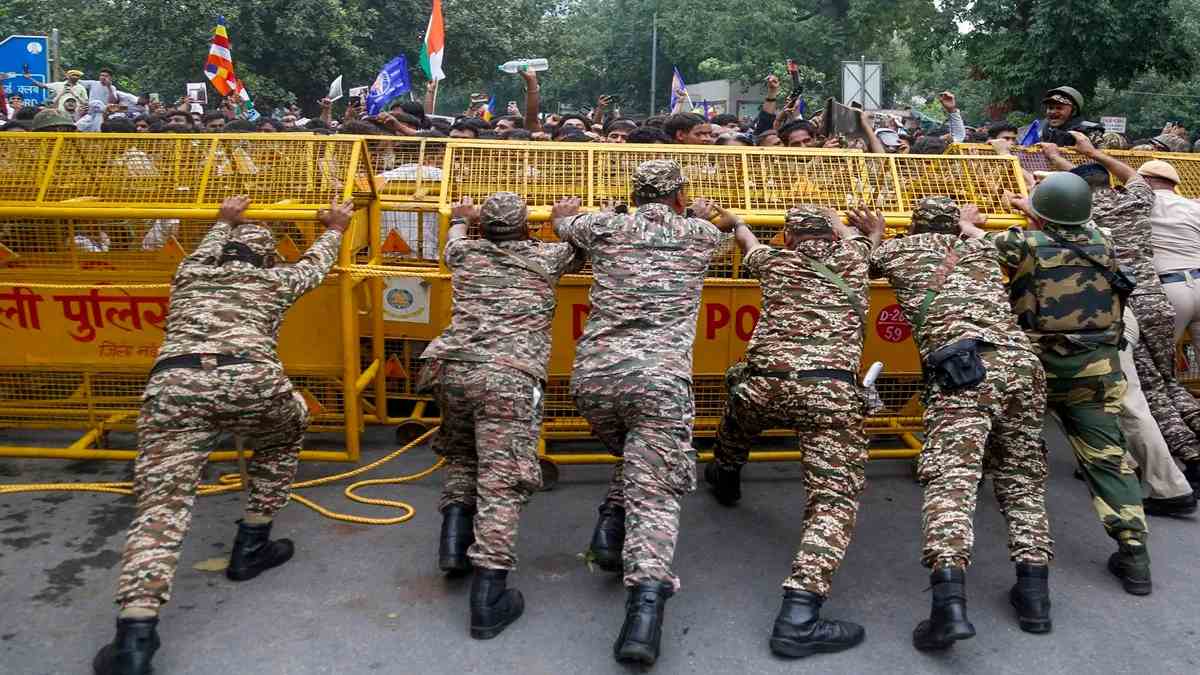
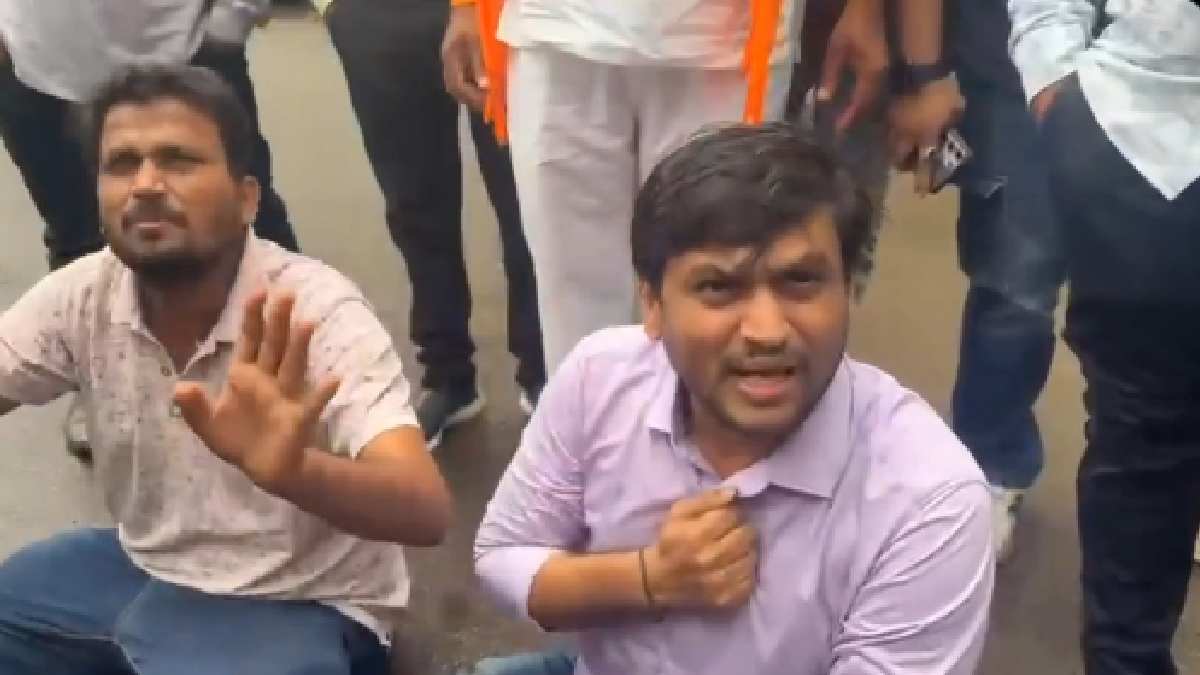
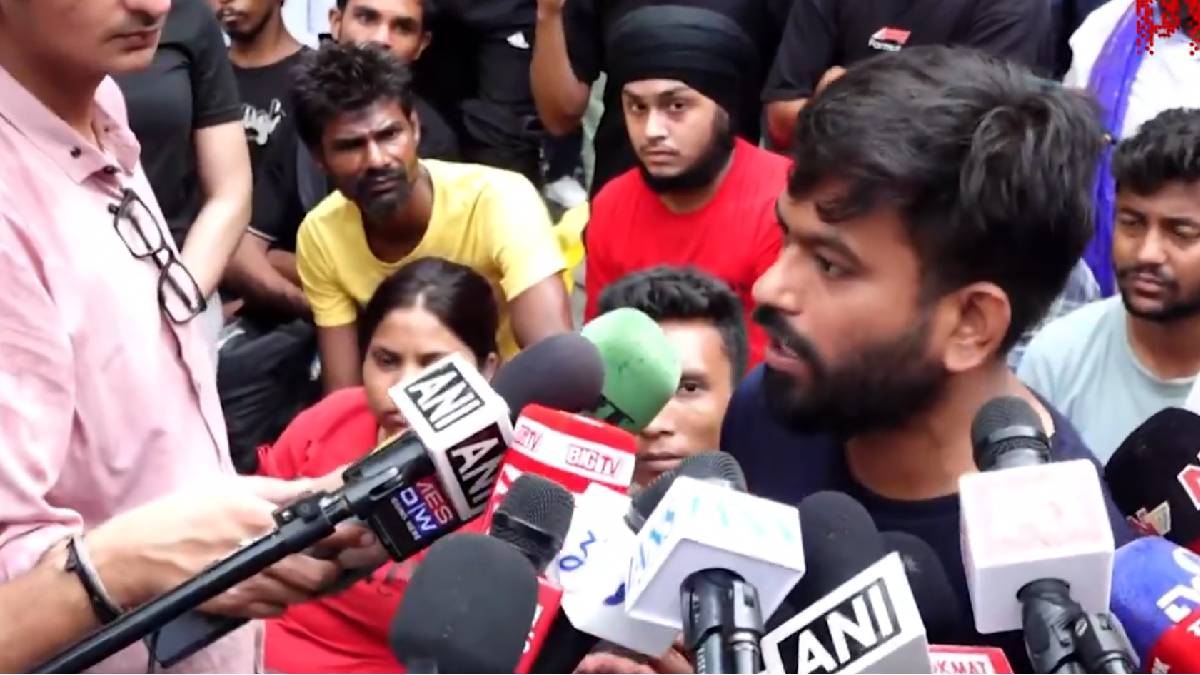
The Union Education Minister Dharmendra Pradhan has resigned as Union Education Minister Dharmendra Pradhan said he has submitted his resignation to the Prime Minister of India. The announcement comes just hours after huge protests and pressure on Saturday, as the country's education system and competitive examination system have been under pressure from the angry public in India, with the government under pressure in the public sector education system and competitive exams continuing to be on the rise across both sides of the country of India.
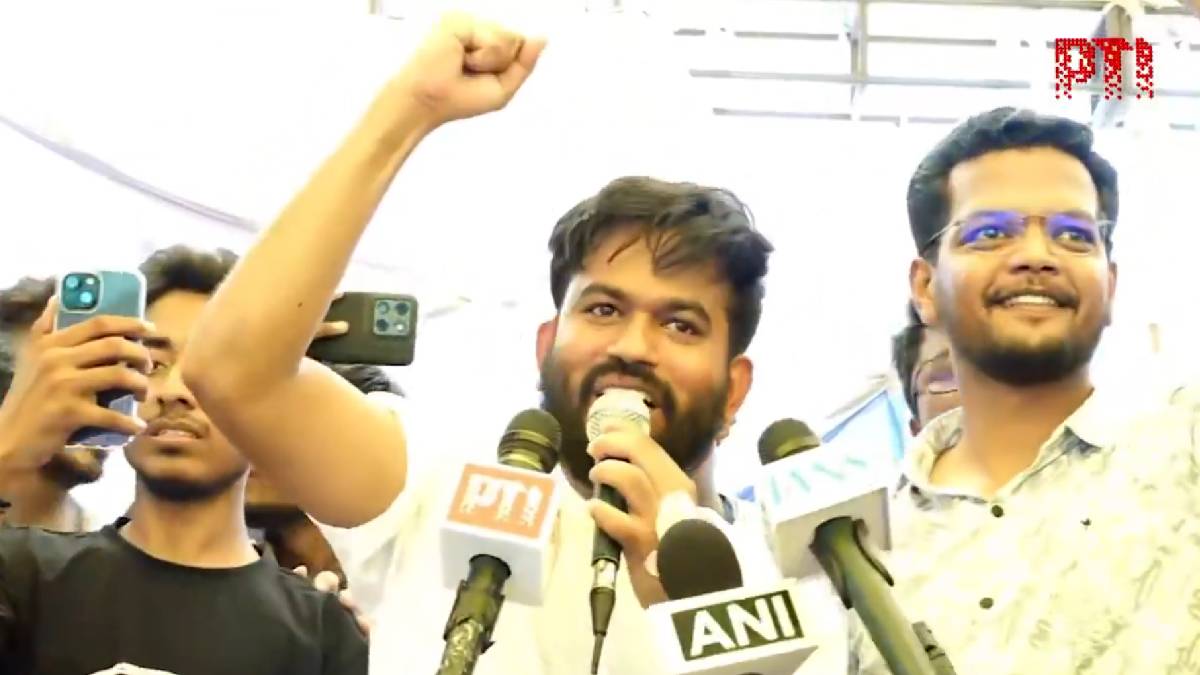
Shortly after Dharmendra Pradhan posted his resignation letter, Cockroach Janata Party (CJP) founder Abhijeet Dipke declared that the protest movement had achieved its primary objective.
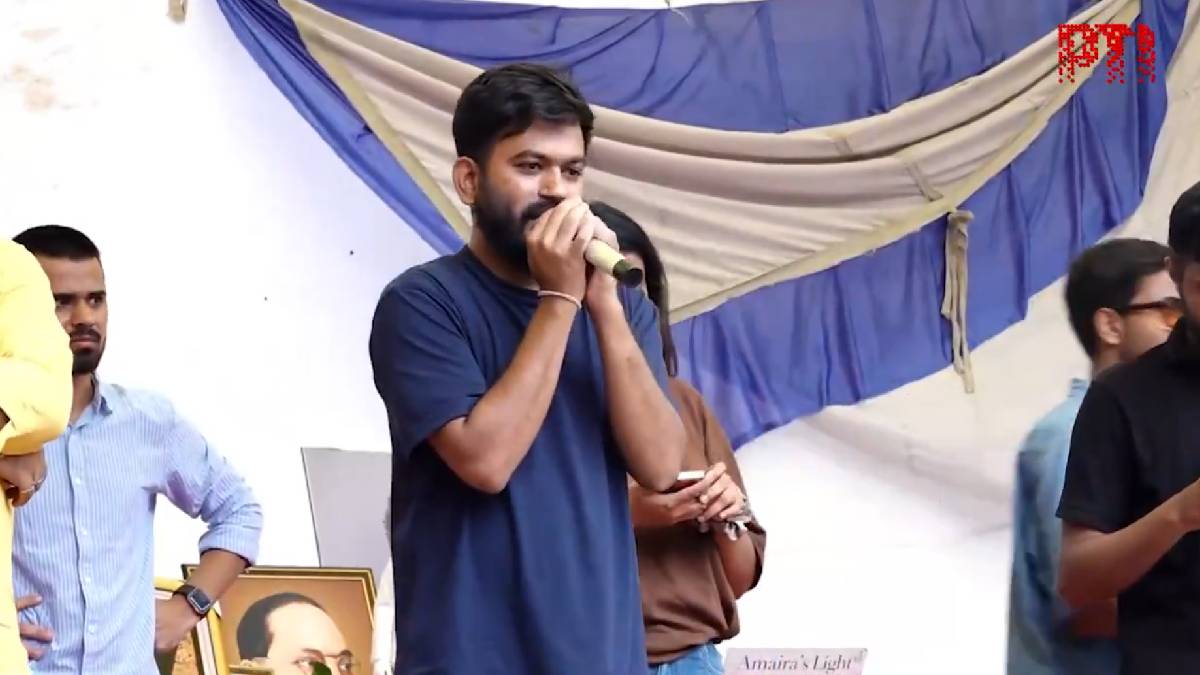
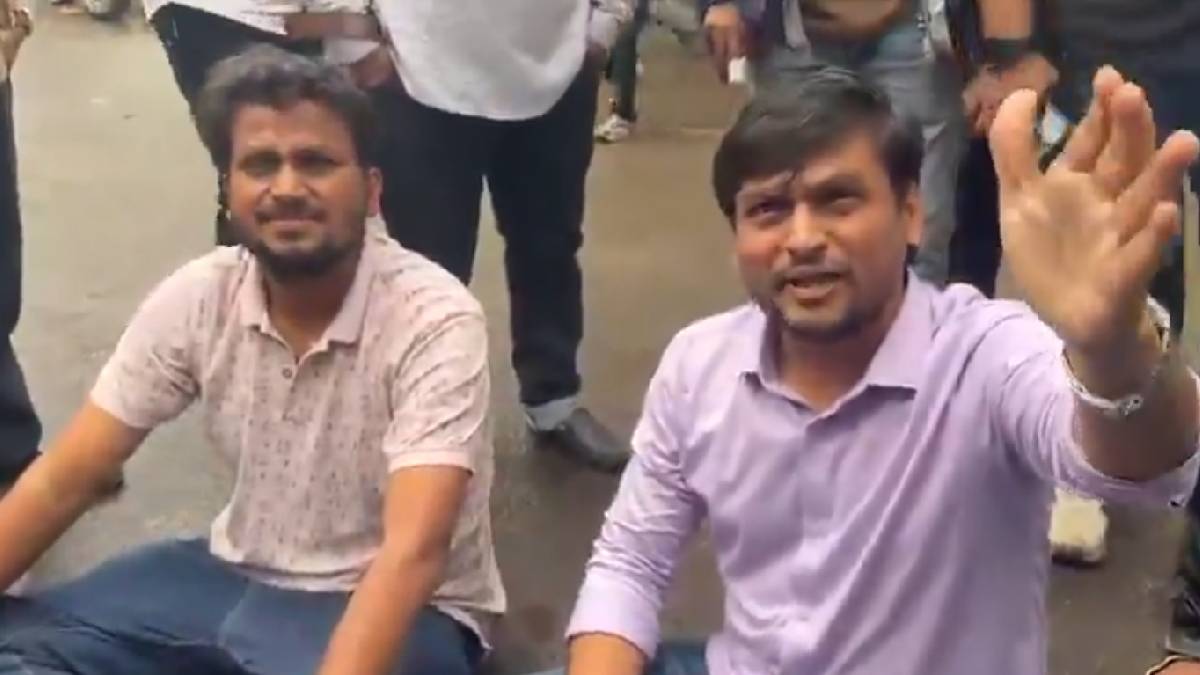
VIDEO | Delhi: As Union Education Minister Dharmendra Pradhan posts a letter, saying he has sent his resignation to PM Modi, CJP founder Abhijeet Dipke says, “We have done it. Dharmendra Pradhan has resigned.”
— Press Trust of India (@PTI_News) July 25, 2026
(Full video available on PTI Videos - https://t.co/n147TvrpG7) pic.twitter.com/M7XmkgYhRG
Dipke told his supporters in the capital and said: “We have done it. Dharmendra Pradhan has resigned.” His declaration sent celebrations among CJP workers and supporters, who had been protesting at Delhi’s Jantar Mantar and in several other cities across India.
The announcement is a major moment in the political debate on education reforms and accountability. Students, activists and members of various organizations had been demanding action for several days about purported irregularities in the examination system. The resignation announcement has now become the focal point of the nationwide discussion.
CJP had been adamant that its main demand was for the resignation of the Union Education Minister. The political accountability of party leadership at the highest level to fix systemic problems was the goal of reform. The movement held demonstrations, held public meetings, and campaigned on the concerns of students and parents.
As Dipke spoke, celebrations among supporters around protest venues erupted at demonstrations. Party workers held up flags and shouted slogans and congratulated one another, citing the development as an achievement in a victory for public participation and democratic protest as well as democracy and public participation. Most protesters said the government had to respond to growing public pressure, and the government’s response to the situation was that there had been much pressure in the form of sustained public pressure, and the government responded.
CJP maintained throughout the protest movement that the problem was more than a single person and that there were a lot of bigger problems in India's examination system. Party leaders repeatedly pleaded for changes in governance that would make the exam system more transparent and secure and restore confidence for students preparing for competitive exams.
Political reactions are expected to intensify in the coming hours. Both opposition parties have called on Dharmendra Pradhan to step down from the Education Ministry and have called for a change in the government's attitude towards education and so on.
Although the resignation letter has already been released by Dharmendra Pradhan, the constitutional process is not completed until the Prime Minister forwards the resignation for acceptance by the President of India. The resignation is subject to the constitutional procedure until official confirmation by the government.
If the resignation is accepted, the government will also have to explain who will manage the Education Ministry. Any cabinet reshuffle or interim arrangement will be closely watched because education policies, competitive examinations and upcoming academic projects are at stake.
And Abhijeet Dipke, the CJP’s campaign will continue beyond the resignation. But accountability is only the beginning, and it is then on the move to bring about the reform of the institutions that will prevent future controversies, he said. They should never forget to remain peaceful and keep fighting for transparent and merit-based examination systems.
Education experts have also pointed out that restoring public trust is not just about changing leadership. To restore confidence in millions of students and their families, we need better safeguards, technological advances, transparent investigation methods, and institutional changes, they say.
As the political situation develops, now the Centre’s next step is to act. How the resignation is accepted, who replaces Dharmendra Pradhan, and what policy measures are implemented will probably shape the national debate of education governance in the weeks to come.
But the CJP movement's supporters have already seen the announcement as an important moment. Abhijeet Dipke’s declaration: “We have done it,” has come to be the movement’s defining slogan and one that reflects what the party says follows from years of public protest and political pressure.