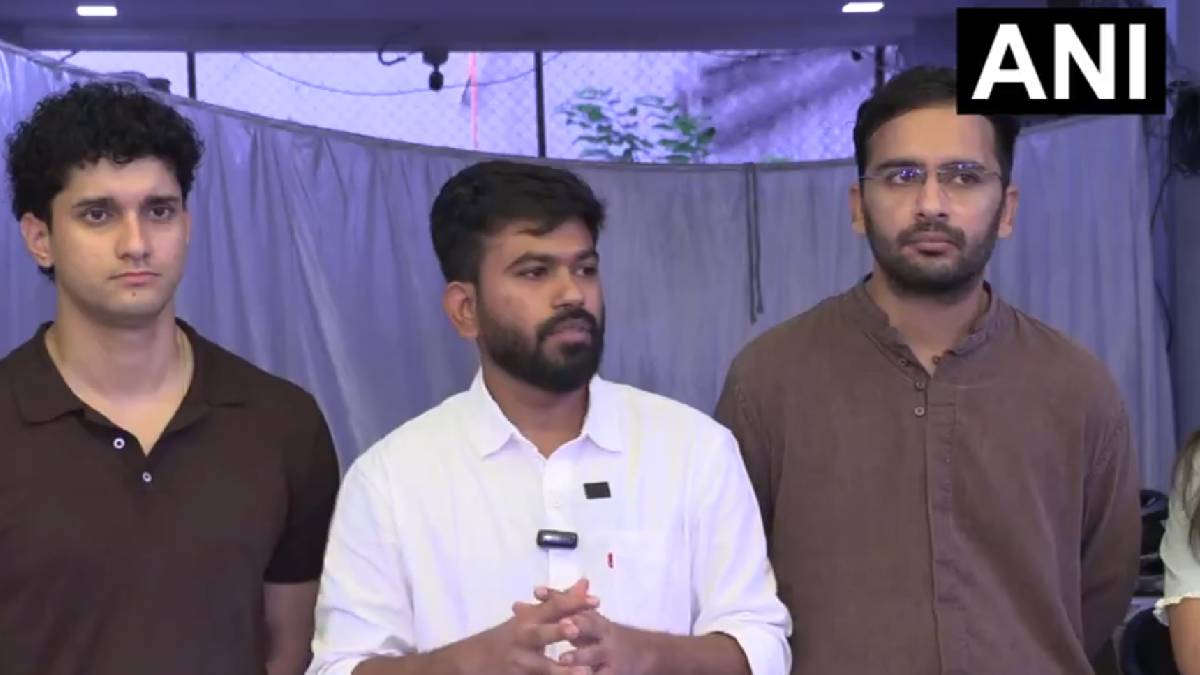
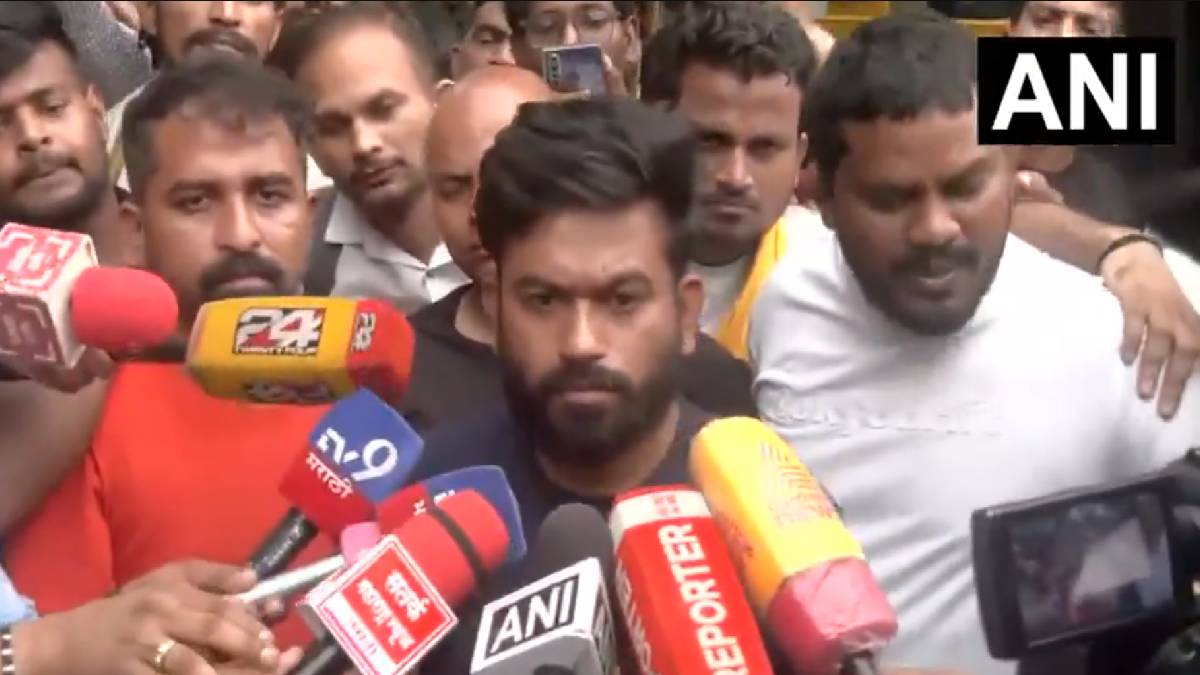
Abhijeet Dipke, the founder of Cockroach Janata Party (CJP), has said that quality education in India has become unaffordable and inaccessible for common people.
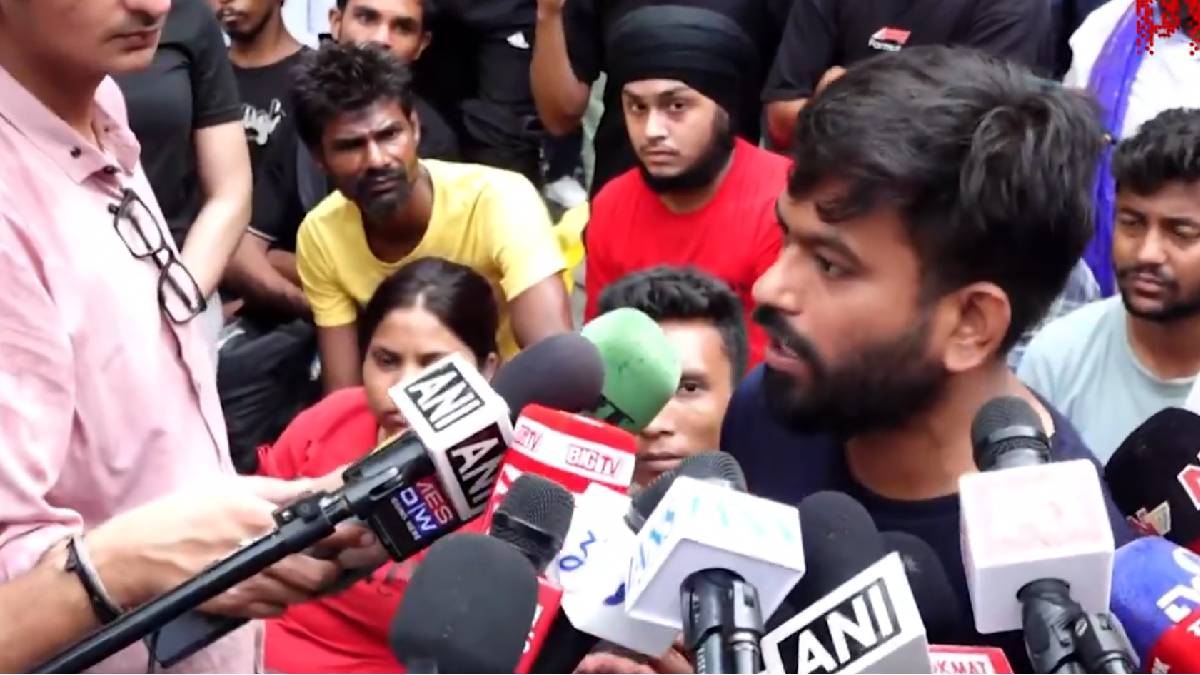
PTI’s Dipke highlighted the financial problems faced by students and families and whether the country’s education system was becoming harder to access for people from ordinary and economically weaker backgrounds.
“Education has become unaffordable and inaccessible for common people in India,” Dipke said.
His comments have brought into focus the increasing cost of school education, higher education, professional courses, entrance exam preparation and other costs associated with academic opportunities.
For many families, the financial burden of education extends beyond tuition fees. Students may also have to pay for coaching classes, study materials, examination fees, accommodation, transportation, digital devices and other essential services. And such costs can be barriers for students from lower- and middle-income households.
Dipke’s comments come at a time when the accessibility of education is under increasing pressure and the demand for private institutions and coaching centres is growing. Increasing costs may have widened the divide between students who can afford to pay for additional support and those who depend predominantly on public educational institutions.
The issue has also become closely related to debates over competitive examinations. Students preparing for big entrance tests spend a lot of time, money and energy on coaching and going to test centres.
The CJP movement gained national attention after it raised questions about examination reforms, student rights and accountability. It later evolved into a broader platform for young people to express concerns about education, employment and the difficulties faced by students.
Dipke’s recent comment suggests that the challenge is not only the cost of getting a degree. According to his argument, the whole route to education is becoming financially difficult for normal families.
Education affordability has long been a major policy concern in India. Government schools, public universities, scholarships and financial-assistance programmes may help many students, but families can still face substantial expenses, particularly if students wish to take specialised courses or go for higher education.
Students in rural and economically disadvantaged communities may also face additional challenges in terms of access to good-quality institutions, poor infrastructure and the cost associated with moving to cities for education.
Some students have been able to get educational loans for higher studies thanks to their availability. But loans can also lead to long-term financial obligations if graduates go into a long-term unemployed-at-least-if-not-off-job situation.
Dipke himself recently answered questions about the funding of his education in the United States, saying that he received a scholarship from Boston University and also took an education loan. That loan would have to be repaid by him, he said.
As a result, his comments have only added an individual dimension to the larger conversation about the cost of education and the financial burden on students in the short term.
The CJP founder’s statement is going to speak to students and parents who are worried about higher tuition fees, expensive coaching programs and the cost of professional education.
Supporters of better public investment in education say quality education must not depend on a family’s financial resources. They have proposed better government schools and colleges, more financial aid, transparent fees and scholarships.
And others say improving access requires more than reducing fees. They say reforms must also be directed towards education quality, availability of teachers, infrastructure, digital access and equal opportunities for students across different regions.
Dipke’s comments will add fuel to the debate on education policy and student welfare. In other words, increasing costs may deter capable students from pursuing their studies, and thus, increase inequality.
The issue may also be central to CJP public engagement in the future. The organisation has said it will keep raising issues related to students and young people’s education system, examination reforms and commitments to protesters to meet prior protests.
As Dipke argues that education is unaffordable and inaccessible for the common people, so is the current education system. The remarks only underscore the ever-growing debate in India on whether the educational system is up to scratch with the financial realities of students and families.