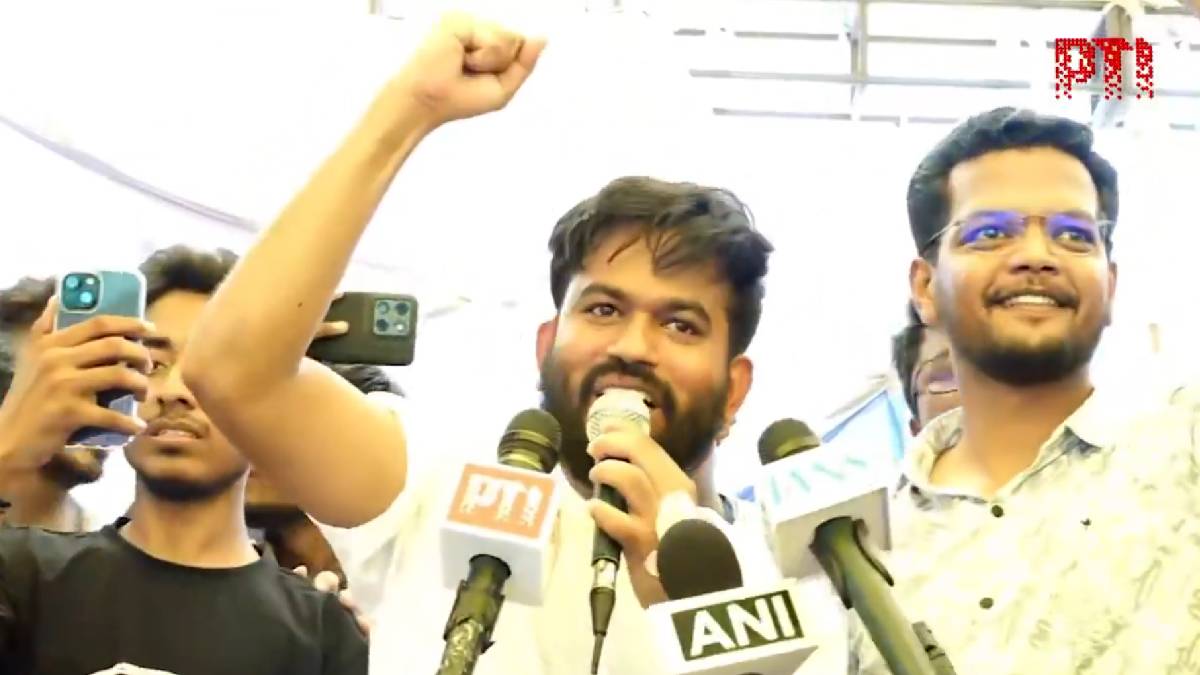
Hingoli: Cockroach Janta Party (CJP) founder Abhijeet Dipke has called on ministers, MLAs and MPs to send their children to village schools for at least one day, arguing that such an experience would help political leaders understand the hardships faced by rural and tribal students across Maharashtra.
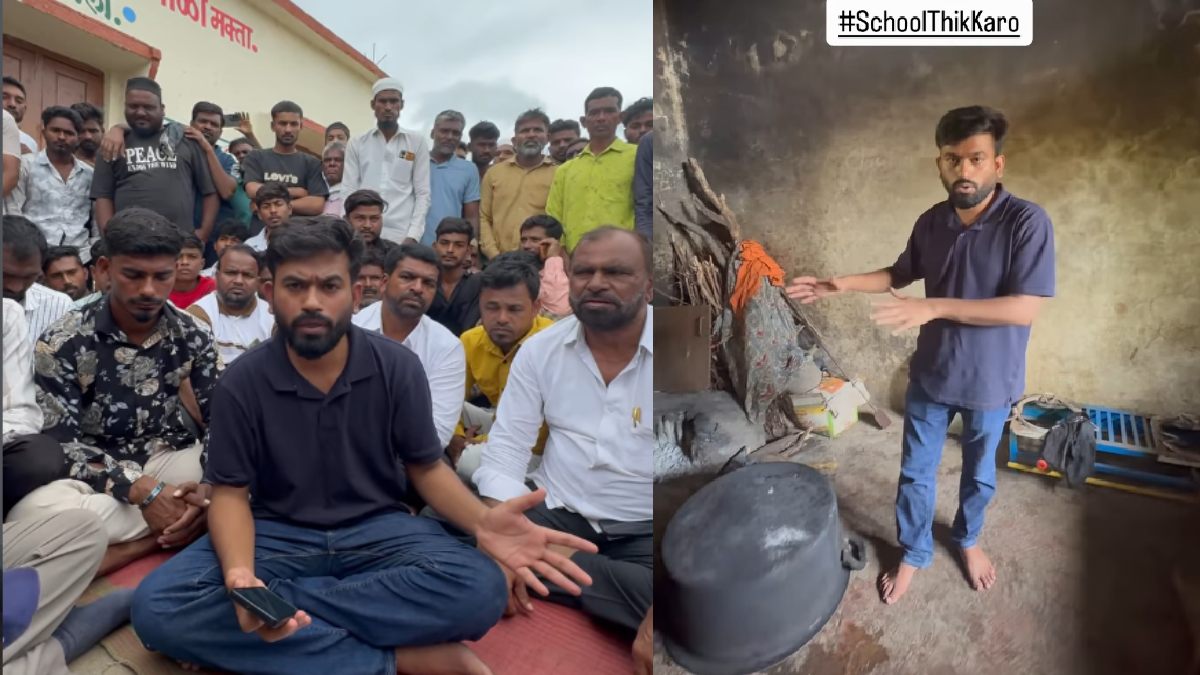
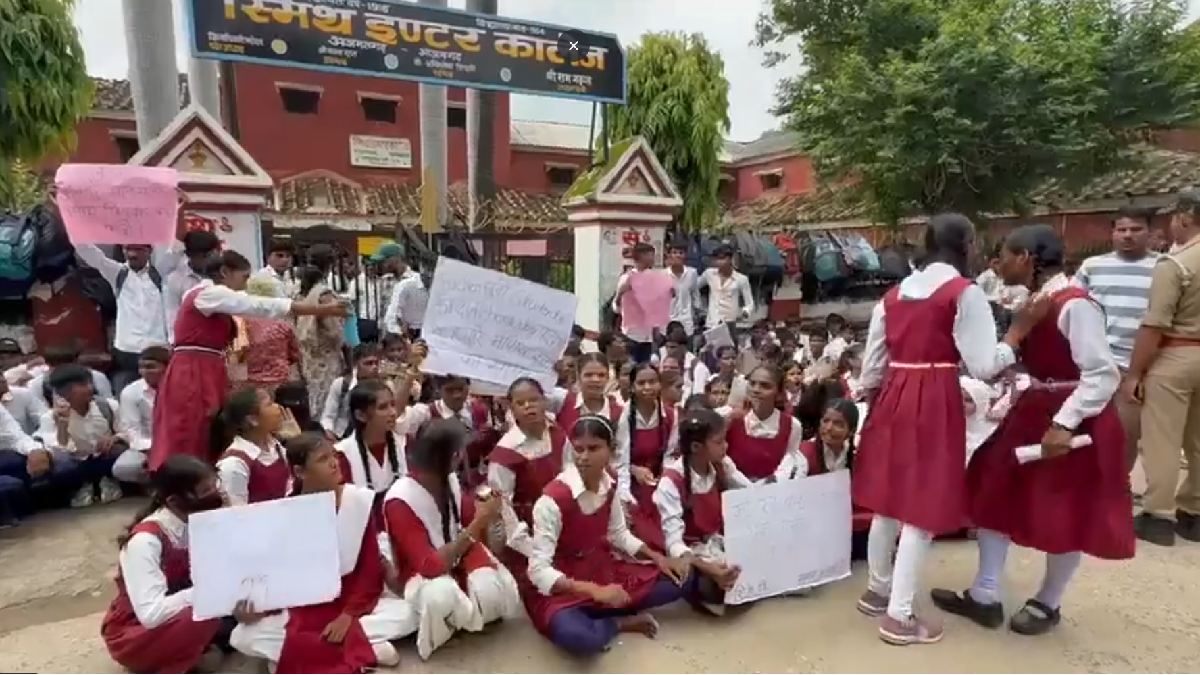
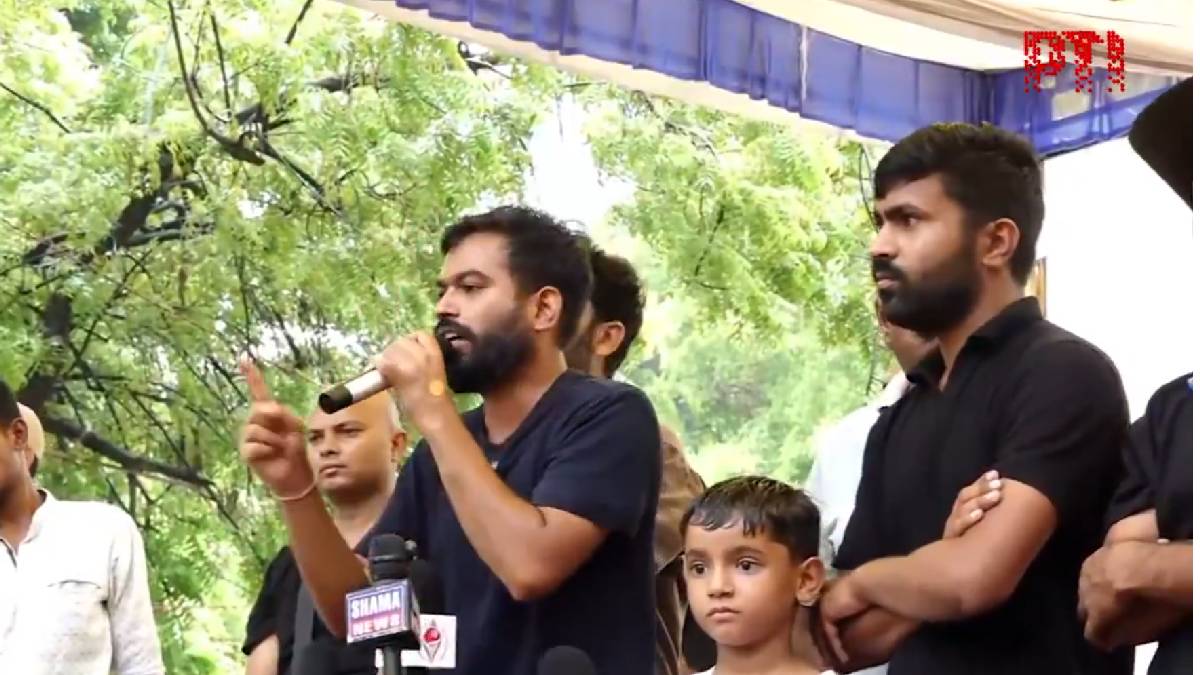
Dipke made the remarks at a protest in Hingoli on issues facing schools in rural areas. He criticized the Maharashtra government for not providing transport facilities to students who have to travel long distances to reach their schools. In the remote villages, Dipke said, children have to walk long distances, and this is especially difficult during the monsoon season.
He questioned whether political leaders would be willing to make their own children take the same path as students from rural communities.
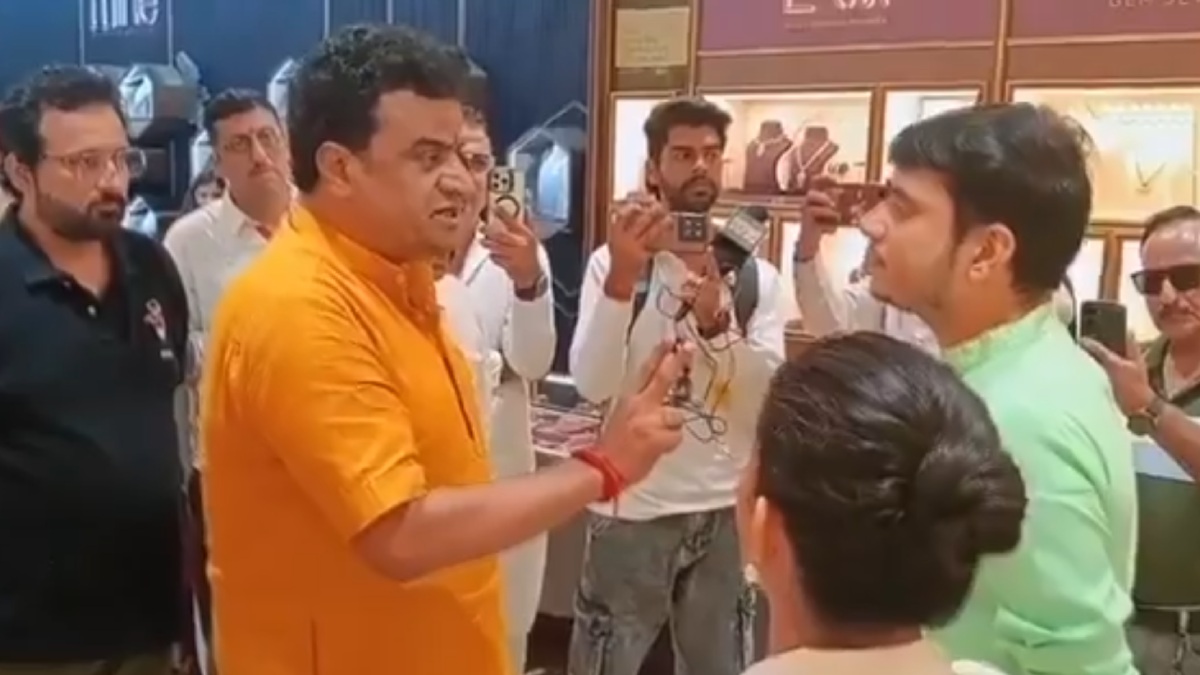
“Will these ministers send their own children to school walking like the children of villagers?” Dipke told reporters yesterday. He told ministers, MLAs and MPs to send their children to a village school for a day and make them walk to school alongside local children so that they could experience the difficulties directly.
Rural Students Face Long Journeys to School
Dipke said students in remote areas sometimes need to walk seven and ten kilometres to attend school. Poor road conditions, muddy paths and waterlogging during the rainy season can make the journey even more difficult.
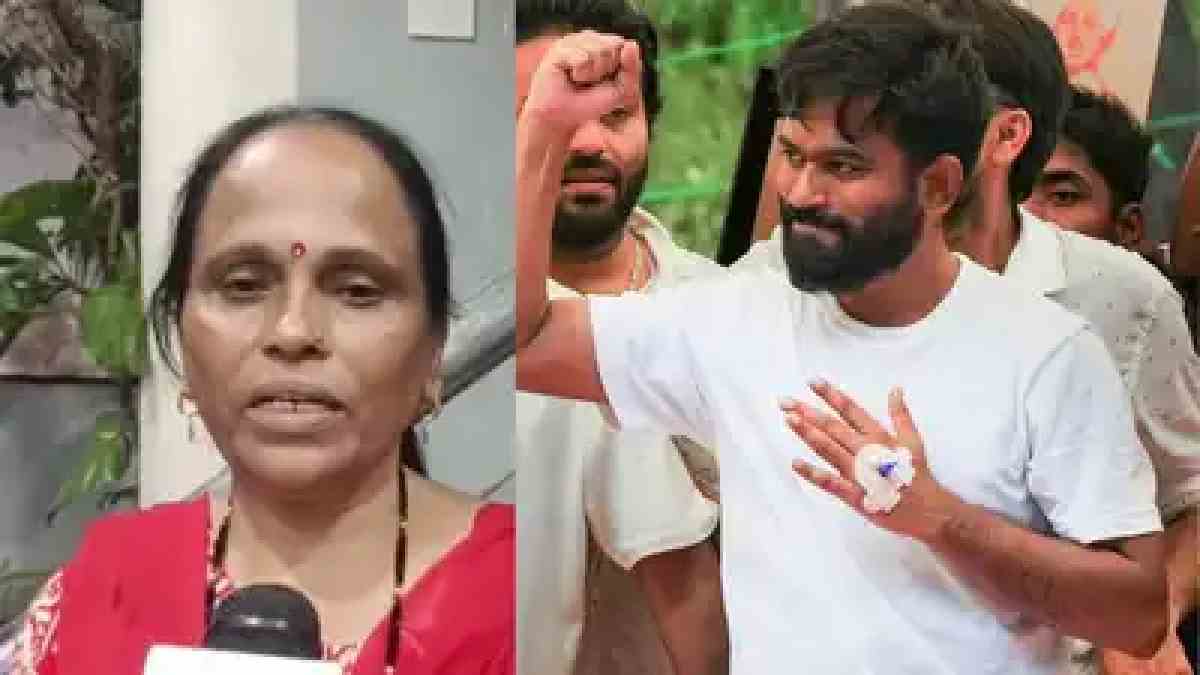
He argued that access to education shouldn’t depend on where a child is born or the economic situation of their family. Safety and reliable transportation should be a basic responsibility of the government, he said.
The CJP leader also compared the government’s ability to arrange transportation for political programmes with the lack of similar facilities for schoolchildren. He claimed buses and trains can be organised for election rallies, while poor students continue to struggle to find basic transport to attend classes.
Dipke launched the ‘School Thik Karo’ campaign from his native village in Hingoli district. This campaign is aimed at highlighting the problems in rural schools and to encourage better education infrastructure and access.
'Life of Tribal Child Should Have Same Value'
Dipke also raised concerns about the safety and welfare of tribal students. As for deaths of students in tribal residential schools among others (Melghat in Amravati and Gadchiroli), the government should ensure that children from marginalised communities have the same protection and opportunities as children from influential families.
“The life of a tribal child should have the same value as the life of a minister's child,” he said, stressing that no child's life should be considered less important because of their social or economic background.
Dipke said his decision to hold the protest in Hingoli was also influenced by his own experiences. He recalled seeing his brothers and sisters walk long distances to attend school and said girls in rural areas continue to face similar challenges.
He wondered why conditions have remained largely unchanged despite years of political promises and government programmes. The continued absence of basic facilities for rural students is a problem and should be taken up with more political attention, he argued.
CJP Seeks Cooperation From Villagers
Dipke said his campaign was not to be aimed at village sarpanches or residents. Rather he said local communities should be involved in efforts to improve schools because their children are directly affected by the condition of rural educational institutions.
He added that children of village sarpanches often attend the same local schools and share many of the challenges faced by other rural families. He contrasted this with the educational opportunities offered to children of senior political leaders.
“If the government cannot do it, we will do it with the help of villagers,” Dipke said, demonstrating that his campaign would continue with community participation.
Education and Jobs Over Caste and Religion
Dipke also criticized what he called the increased attention for caste and religious divisions in politics. Public attention should instead be directed towards education, employment and basic infrastructure he said.
He claimed that ordinary people are often encouraged to fight among themselves and fundamental issues affecting their children remain unresolved. Rural families still struggle with insufficient educational facilities and lack of employment opportunities, he said.
Dipke also highlighted the contrast between the educational opportunities children from politically influential families have and those offered to poor and tribal communities. Some political leaders can afford to send their children abroad for education and many rural families struggle to ensure that their children are able to get to school safely every day, he said.
Dipke has promised to keep raising these issues and calling for better facilities for rural and tribal students through the School Thik Karo campaign. His challenge to political leaders has opened up a bigger question: whether policymakers should see the conditions of the kids whose education policies they shape firsthand.