The Supreme Court has dismissed a petition to change India’s current procedure for hanging death row prisoners. The plea for the killing of death row prisoners by hanging had argued for less painful and humane execution.
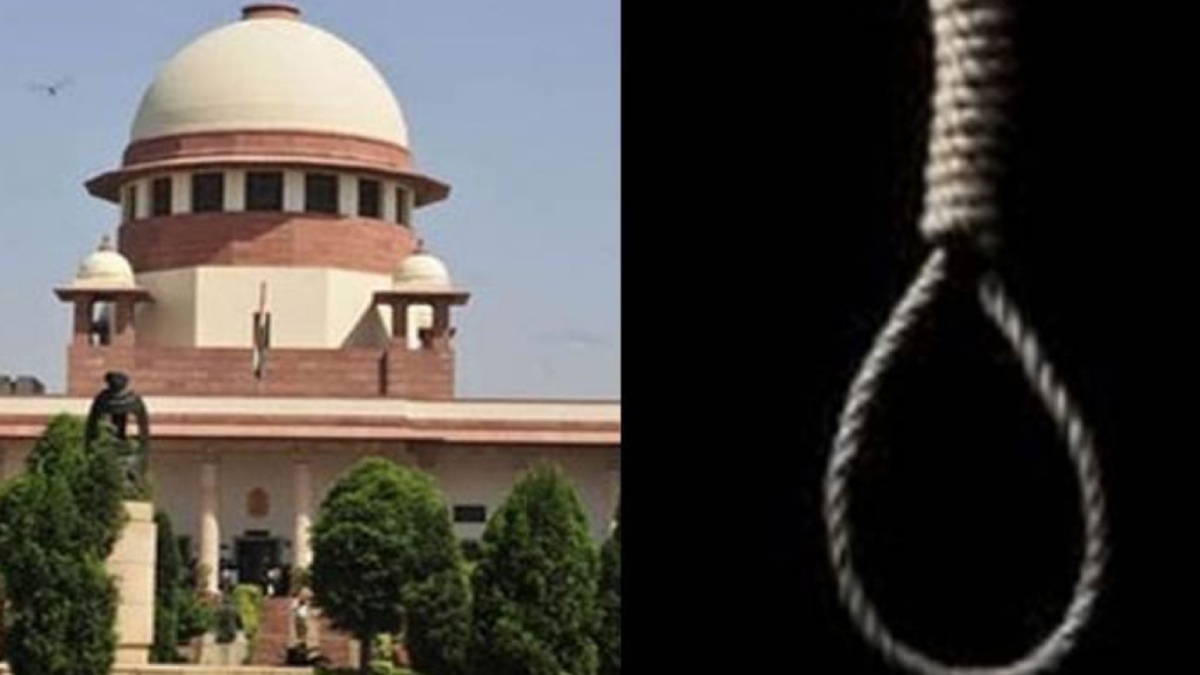
The petition had raised questions about whether hanging should continue to be the legally prescribed method of execution for prisoners sentenced to death. Those pushing for change have argued modern legal systems should consider methods that minimise pain and suffering while carrying out a sentence imposed by a court. The issue has previously led legal experts, human rights advocates and policymakers to discuss the constitutional requirement that punishment must not involve cruel or disproportionate treatment.
The Supreme Court's decision to dismiss the petition means the existing legal position regarding the method of execution is in place. In India, a death sentence is only imposed in cases that meet the criteria of the judiciary. The Supreme Court has repeatedly held that capital punishment should be reserved for the “rarest of rare” cases and capital punishment is one of the most severe punishments available under Indian law.
The debate over the method of execution is separate from the larger question of whether the death penalty should remain. In a legal challenge to the method of execution, capital punishment isn’t abolished. In fact, the state should have the state’s own execution process and not any other one when a sentence is already completed and the whole process is over.
The petition for an alternative to hanging is part of a global debate over what execution to use. In countries still with capital punishment, different procedures are used; in some countries the death penalty has been abolished entirely. Those who want India to change its way of executing people, for instance, say that science and human rights principles and constitutional protections need to be taken into account when doing so.
Article 21 of the Constitution guarantees life and personal liberty and states that no person shall be deprived of life or personal liberty except through procedures established in the law. In many cases of prisoners and capital punishment, courts have weighed in on the meaning and scope of this protection.
The Supreme Court has also established protections around the imposition and implementation of death sentences. These safeguards are intended to ensure that capital punishment is not imposed arbitrarily and that courts carefully consider aggravating and mitigating circumstances before reaching such an extreme conclusion. The judicial system offers many levels of review and legal remedies to a person facing a death sentence.
The method of execution is still a matter of legal and public debate. Those who wish for alternatives have asked that the state consider whether current procedures meet constitutional standards of dignity and protection from cruel treatment.
The Supreme Court’s decision to dismiss the most recent plea does not put an end to the public debate over capital punishment. Questions about the death penalty remain rooted in legal, constitutional, moral and social issues. Defenders of capital punishment argue that it is justified for very serious crimes or violations, and can be beneficial for justice and society. Conversely, critics argue that the irreversible nature of punishment raises concerns for wrongful convictions and unequal application and human life.
India is among the countries which still have capital punishment and the use of capital punishment is subject to strict judicial criteria. The “rarest of rare” principle requires courts to consider the crime and the individual offender before issuing death sentences.
The Supreme Court's decision is significant in this regard in that it leaves the current method of execution unchanged. For the moment the legal system continues to regard hanging as the prescribed method for carrying out death sentences in India. Any major change would need to be made through legislation, a constitutional challenge that will be brought through, or another judicial decision that will alter the prevailing legal situation.
The case also shows how India’s death penalty debate continues to evolve. In case a court dismisses a specific petition, then the issues of dignity, constitutional guarantees, criminal justice and the nature of capital punishment still exist. In future petitions or parliamentary discussions, the execution method will be once more at the disposal of courts or Parliament.
For now, the Supreme Court’s decision is in place. The dismissal of the case means that the current practice of hanging death row convicts is still the norm in India under the present system of law, and capital punishment and the most appropriate way to administer it is at the centre of legal and public debate.