One 17-year-old acid attack survivor has once again brought acid availability before the Supreme Court, asking a question that goes to the heart of India’s attempts to prevent acid attacks: what has changed despite years of judicial safeguards? The survivor has challenged the continued ease with which acid can allegedly be purchased at the retail level, so the court needs to decide what is enough or it needs to impose greater restrictions.
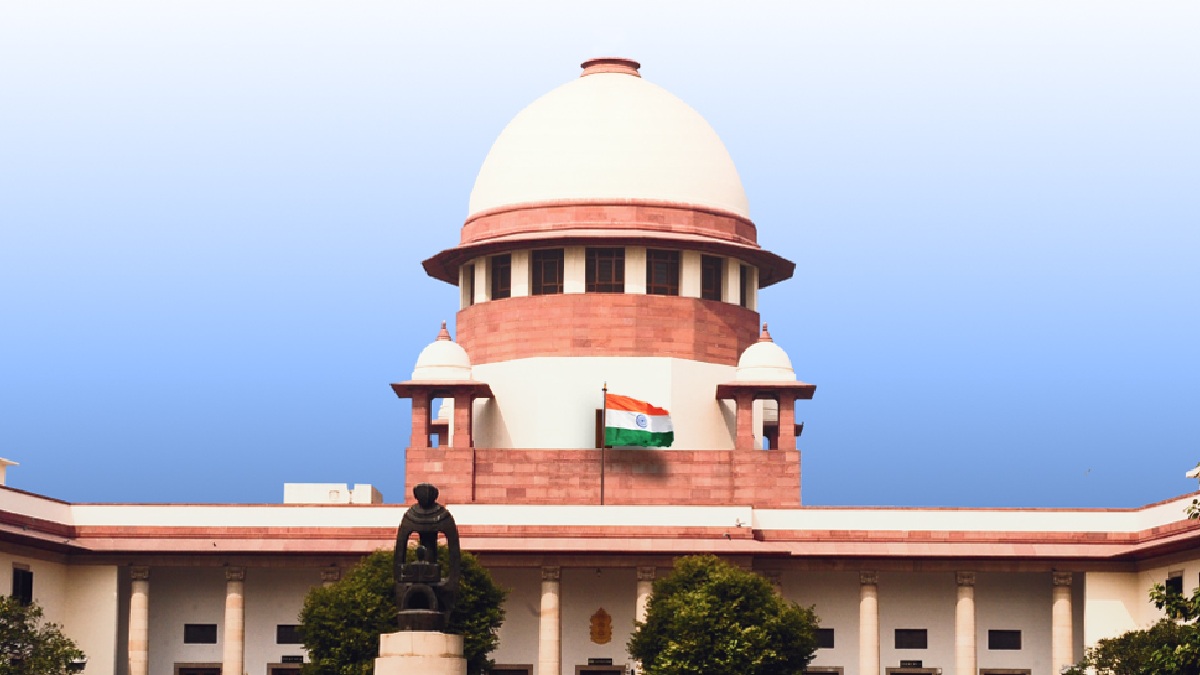
The Supreme Court for the first time on Monday considered a fresh application in a long-running public interest case on acid attacks and acid sales. A bench of Chief Justice of India Surya Kant issued notice on the plea and asked the concerned authorities to respond. The question is whether retail sale of acid should be completely banned across the country or whether an even more rigorous monitoring system should be put in place.
Saurabh Kirpal, senior advocate of the court, said acid was still available in many parts of the country. He cited a survey by volunteers, which he claimed found that acid could be obtained with virtually no regulatory oversight. The submission raises questions about whether safeguards prescribed by the Supreme Court have been implemented on the ground.
The court proposed some methods to address the problem, including real-time tracking of acid transactions and requiring buyers to explain why they need to buy the substance. Such measures might also allow for a traceable record of purchases and make it harder for people to obtain acid for no legitimate reason.
The hearing was also personal when the victim herself appeared before the bench. Speaking about the impact of the attack she said acid violence does not end after the initial physical injuries. Survivors face long medical treatment, psychological trauma, reconstructive procedures and life-long changes.
The survivor said government guidelines were outdated and authorities repeatedly promised action without addressing the problem. She recalled an acid attack 17 years ago and said she now takes medication to sleep. She also called on other victims such as a 14-year-old survivor and told the court that the judiciary was their last resort.
For survivors and activists, her statement demonstrates a common concern voiced over the years: regulations only work if they are properly enforced. And although restrictions may be on paper, poorly enforced at retail level can undermine their purpose and make potentially hazardous substances readily available to people who might use them.
The Supreme Court had already weighed in in its landmark 2013 judgment in the Laxmi case, which was a major milestone in the legal response to acid attacks in India. It ordered authorities to control the sale of acid and not allow unlimited over-the-counter transactions. Among such safeguards were to keep records of purchasers, verify identification of the seller with government-issued identification and record the purpose for which acid was being purchased.
The directions also required sellers to keep track of their acid stocks and to relate that information to local authorities. The goal was to create accountability and to keep the sale of corrosive substances under surveillance.
Even with those directions, reports of unregulated or illegal sales still raise concern. Acid attacks themselves are as bad as ever, with severe burns, permanent disfigurement, vision loss and long-term physical problems. The psychological effects are also far more severe and can affect survivors for years after the attack.
In light of the recent hearing there is a new focus on the gap between judicial directions and implementation of those directions. A full ban on retail sales would profoundly change the current regulatory framework and stricter monitoring would attempt to balance legitimate industrial and commercial requirements with public safety.
The court’s consideration of real-time tracking and mandatory disclosure of the purpose of purchase indicates that technological and administrative mechanisms can be part of the future regulatory approach. But their effectiveness would ultimately depend on enforcement, monitoring and accountability between sellers and authorities.
For acid attack survivors, the debate isn’t just about commercial regulation. It’s about preventing another person from suffering the kind of lifelong consequences that they themselves have suffered. The 17-year-old survivor’s appearance before the Supreme Court has yet again put that human cost into sharp focus.
As the authorities respond to the Supreme Court’s notice, the case could be a watershed moment in assessing whether India’s current safeguards need to be strengthened, more tightly limited or a fundamental change in the way retail acid sales are permitted. The bigger question is whether the next set of directions will truly be effective protection on the ground for survivors who have been waiting for years for the change to happen.