Ladakh’s well-known climate activist and innovator Sonam Wangchuk was freed from detention after almost six months. His September 2025 arrest, based on the National Security Act (NSA), drew severe criticism from political leaders, civil society organizations and international observers. Announced on March 14, 2026, the release is viewed as a significant milestone in Ladakh’s continuing fight for statehood and constitutional protections.
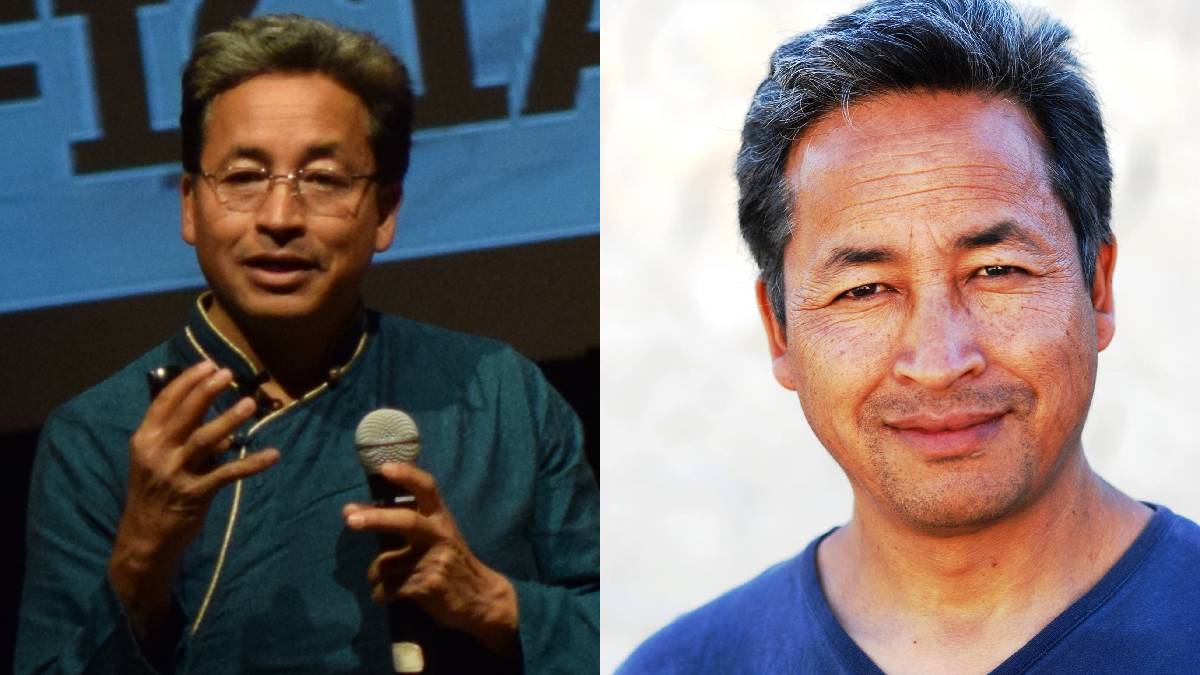
Wangchuk was sent to detention after protests in Leh, where people, who numbered on the order of thousands, called for full statehood for Ladakh and protection under the Sixth Schedule of the Indian Constitution. These assertions are centred around protecting Ladakh’s precious land, distinctive culture and land rights. His arrest was seen by many as an effort to silence an emerging movement.
Wangchuk was a symbol of resistance in jail; activists from all over India and abroad sought his release. The detention order for him was later cancelled by the Ministry of Home Affairs, freeing him to walk out of Jodhpur Central Jail.
While Wangchuk’s release has been greeted with enthusiasm, the broader issues are unresolved. Ladakh civil society groups said it would continue with their expected protest on March 16, 2026. Their demands include:
- Full statehood for Ladakh.
- Inclusion under the Sixth Schedule to protect land and resources.
- Better democracy in both Leh and Kargil districts.
Jammu & Kashmir political leaders and national parties have responded with similarly strong responses. Some lauded the release as a positive departure, while others condemned the government for arresting him in the first place.

The ruling that Wangchuk will be released is viewed as an opportunity to get the government and Ladakh’s people talking. This should help to bring the nation back together, though obstacles persist. It is unlikely that the protests will cease until there are real steps to be taken. There is also the possibility that demands will fail and provoke even greater unrest.
Freedom of Sonam Wangchuk is a milestone for Ladakh’s political narrative. While his release provides a sigh of relief to his supporters, it won't mean an end to this struggle. The people of Ladakh insist on both statehood and constitutional safeguards. For India, this episode poses a thorn in the side in the battle between national security and democratic rights; the environment needs protection as well as national security. Wangchuk’s story demonstrates that one individual can become the face of a larger movement and that his release is just the opening step of another chapter in Ladakh’s struggle for its future.