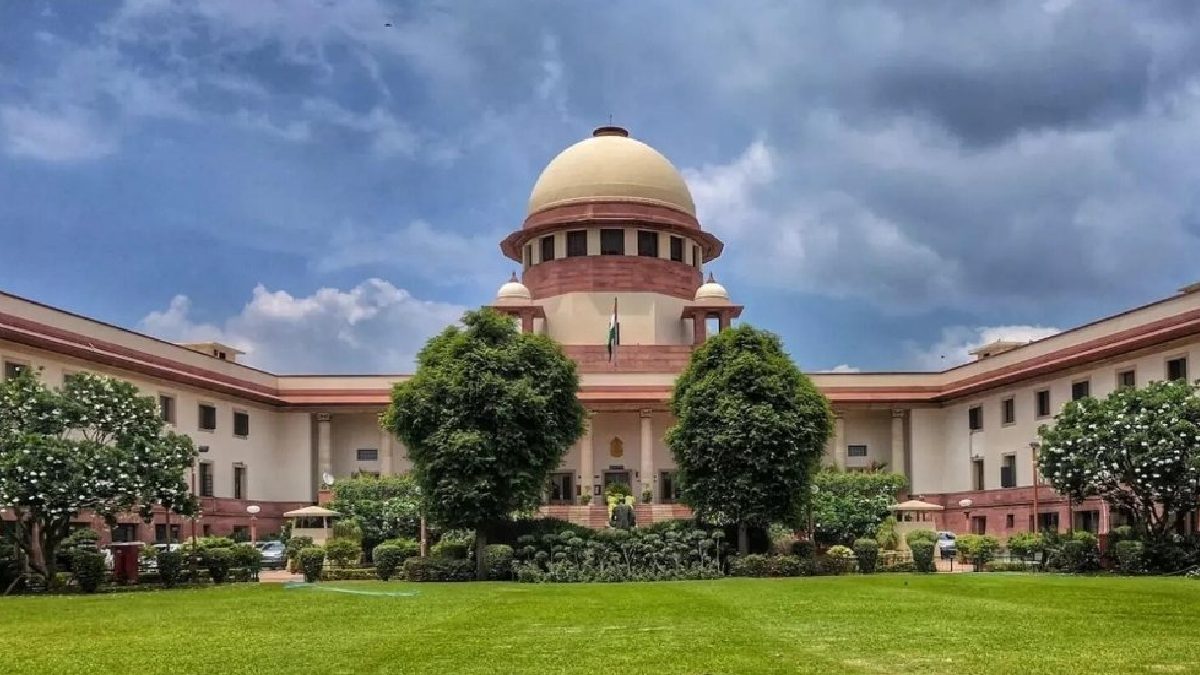
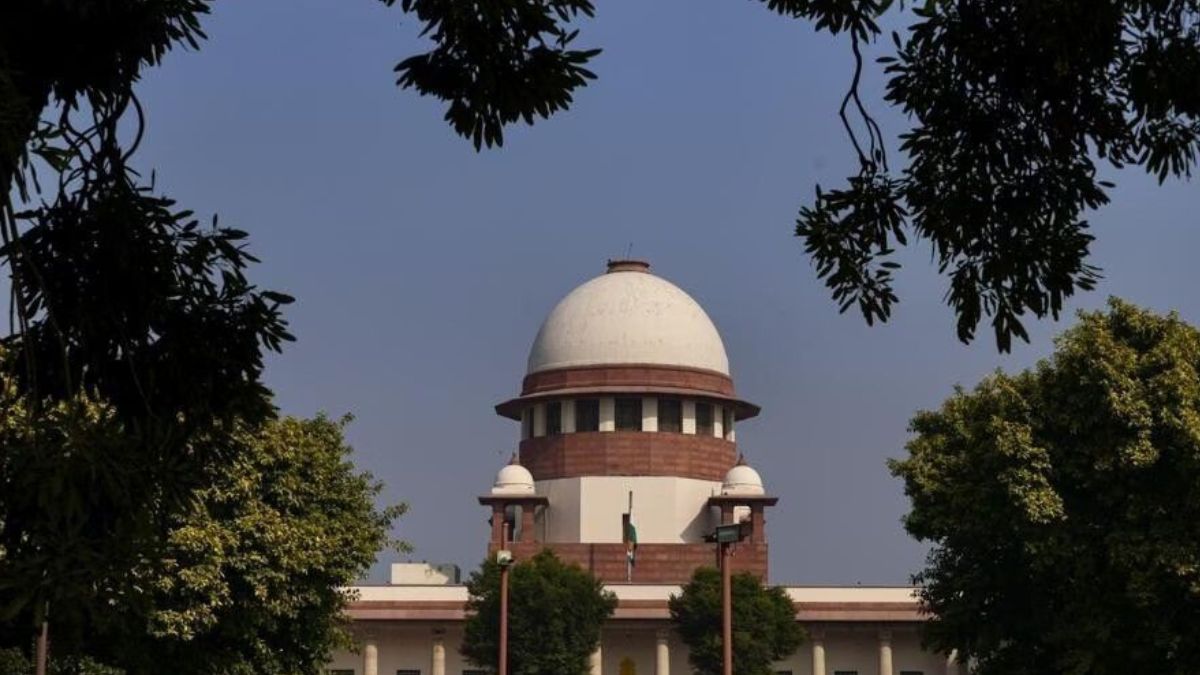
The Indian Supreme Court on Monday strongly urged relevant parties not to try the death case of Twisha Sharma relating to a suo motu matter in relation to the investigation. It also stressed that the case should be handled purely according to the law and procedure and not through public narrative or television debate.
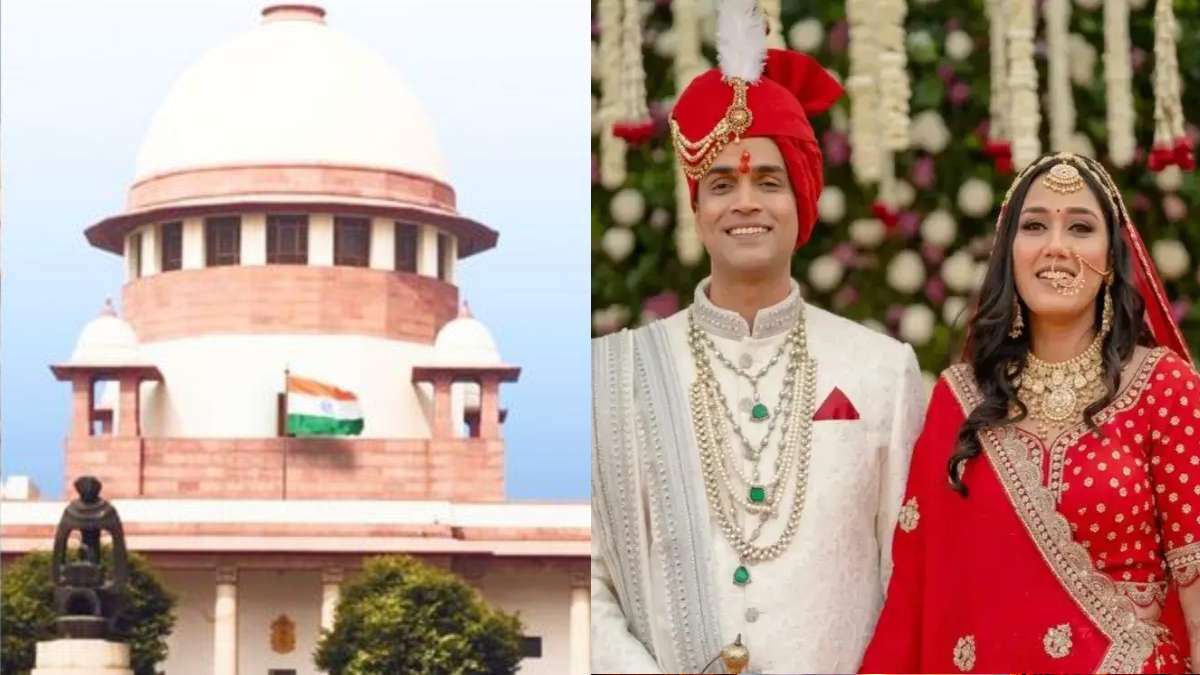
A bench comprising Chief Justice Surya Kant, along with Justices Joymalya Bagchi and V M Pancholi, also ruled that neither party can issue statements in public that “may influence” the investigation that is in progress. The court also validated confidence in the Central Bureau of Investigation and opened the door for a full probe of the controversial affair.
For now, the bench also said in the hearing, “All stakeholders refrain from speculation and have confidence and faith in the premier probe agency CBI to take the investigation to a logical conclusion.” Either side’s public comments could hurt the investigation, it added.
The Chief Justice was “worried that anyone was trying to put their hand on it and pretend that here is a judiciary that is getting in the way of a fair and fair investigation” because one of the accused was a former judge named Giribala Singh, the court concluded. The bench said those narratives were harmful and unnecessary at the time of the investigation.
The state’s Solicitor General, Tushar Mehta, appeared to the court to hear an allegation that Twisha Sharma’s mother-in-law, Giribala Singh, had made public statements against her after the death of the deceased. She was accused of "character assassination," he said, and he told him she was giving interviews on multiple television channels, not cooperating in their efforts. Mehta told the court,
"The victim’s mother-in-law, Giribala Singh, committed character assassination of Twisha post her death, questioning Twisha Sharma’s conduct, behaviour, and personality." “We have to appreciate the feelings better to have a divorced daughter than a deceased daughter,” he added.
The Chief Justice acknowledged the submissions after it said it was “slightly at pains regarding some of the actions” and recommended to the media that it had not played up statements by either family. It says it can only speak before the relevant legislation and cannot report to the public via television or social media platforms.
“Whatever the statements are the parties have to make, whether it be before appropriate authorities, not before the media. Both sides should not appear before the media,” the CJI ruled during the hearing. The Supreme Court had previously taken suo motu cognisance of the matter after obtaining reports from the media that alleged discrepancies and bias in procedures and an institutional bias in the probe.
The case has become a national hot topic after extensive allegations made by Twisha Sharma’s family on evidence destruction, procedural lapses and alleged control of the investigation. Twisha Sharma, a Noida-based woman, was found dead this month in her marital home in Bhopal’s Katara Hills area. Her family is accusing her husband and in-laws of dowry harassment and murder.
But police officers said the investigation so far points toward suicide. Now, the focus would turn completely and utterly to the investigation and the evidence that was collected by the central agency, as the current Supreme Court trusts in the CBI and its warnings not to do whatever it can with the media.