Ahmedabad received the highest July rainfall of the 21st century as an intense monsoon shower hit the city and parts of Gujarat.
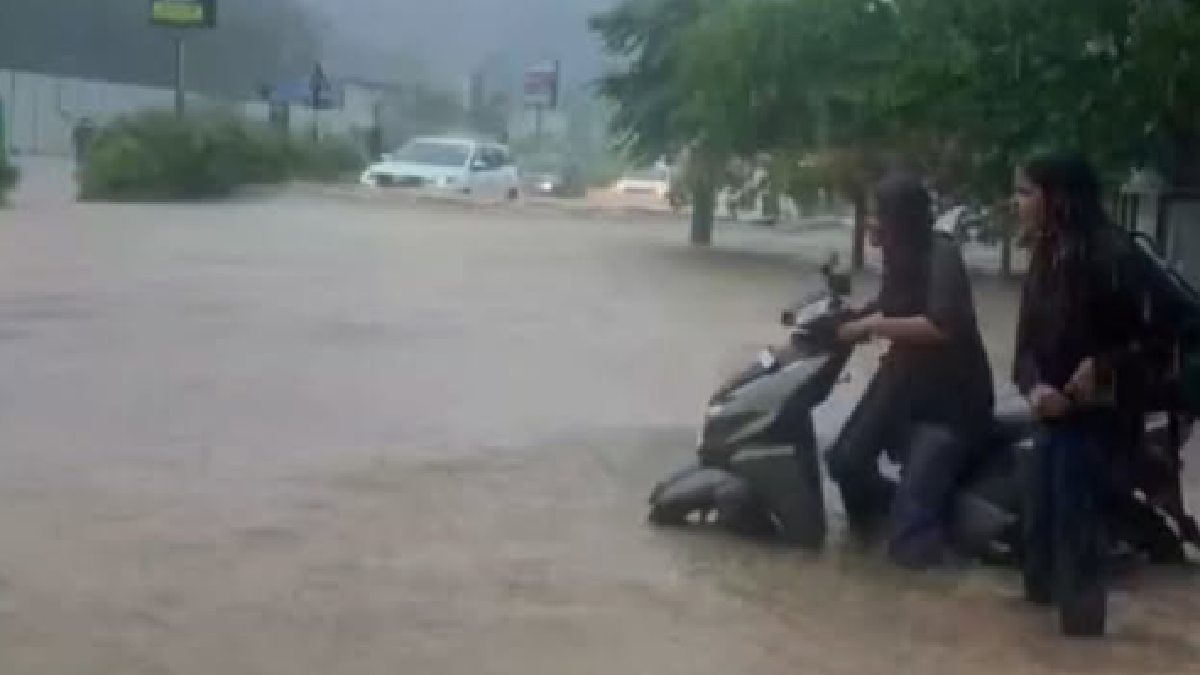
The unprecedented rainfall caused waterlogging, traffic chaos, power outages, and flooding in low-lying areas and raised fears of extreme weather events in India.
The city had very heavy rainfall in 24 hours, breaking previous July records, weather officials say, and the city received an extraordinary amount of rain in 24 hours; it’s now the biggest in its history. The roads became rivers and transport was blocked, and emergency teams rushed to evacuate people in a number of places, officials said.
Why did Ahmedabad get such heavy rain
The extreme rainfall was attributed to good monsoon conditions and atmospheric systems. A deep depression in the Arabian Sea and a strong monsoon trough were also contributing to more moisture flow to Gujarat. Also, the upper-air cyclonic circulation kept the rain-bearing clouds over Ahmedabad and in the neighbouring districts.
Experts also point to warmer sea surface temperatures in the Arabian Sea that provide more moisture to weather systems. As global temperatures rise, the atmosphere can hold more water vapor and that is when conditions are right for rain to occur.
Impact Across Gujarat
The heavy downpour had not only affected Ahmedabad but also many districts in the vicinity, such as Gandhinagar, Mehsana, Kheda, Anand and parts of Saurashtra, too. Urban flooding submerged roads and disrupted railway services and delayed flights in some areas.
Some schools remained closed as a precautionary measure and local governments activated disaster response teams. Water entered homes and commercial buildings in low-lying areas, causing damage and affecting daily life.
Farmers welcomed the rainfall for increased water availability in this wet weather, but excessive rainfall also raised concerns about crop damage in some areas where fields remained waterlogged.
Climate Change and Extreme Rainfall
Climate scientists say such record-breaking rainfall events are more frequent because of climate change. Rapid urbanization, shrinking natural drainage systems and concrete infrastructure make flooding worse during heavy rains.
The expansion of Ahmedabad has put more pressure on stormwater drainage networks and has made the city more prone to flash floods when monsoon rains are on the rise.
Experts recommend greater urban planning, restoration of natural water bodies and improvement of drainage infrastructure in cities to reduce the impact of future extreme weather events.
Weather Forecast
The IMD had predicted moderate to heavy rainfall in parts of Gujarat to continue in the next few days. Residents should be kept updated with weather alerts and avoid flooded roads, and take safety precautions according to local government advice.
And as climate patterns continue to change, Ahmedabad’s record-breaking July rainfall only serves to underscore the current challenges of extreme weather and the urgent need for resilient urban infrastructure.