The Supreme Court on Monday rejected the High-Powered Committee’s request for a six-month extension of the definition and protection of the Aravalli Hills. The committee had asked for time until February 28, 2027 to present its final report, but the court said the panel had to conclude it much sooner.
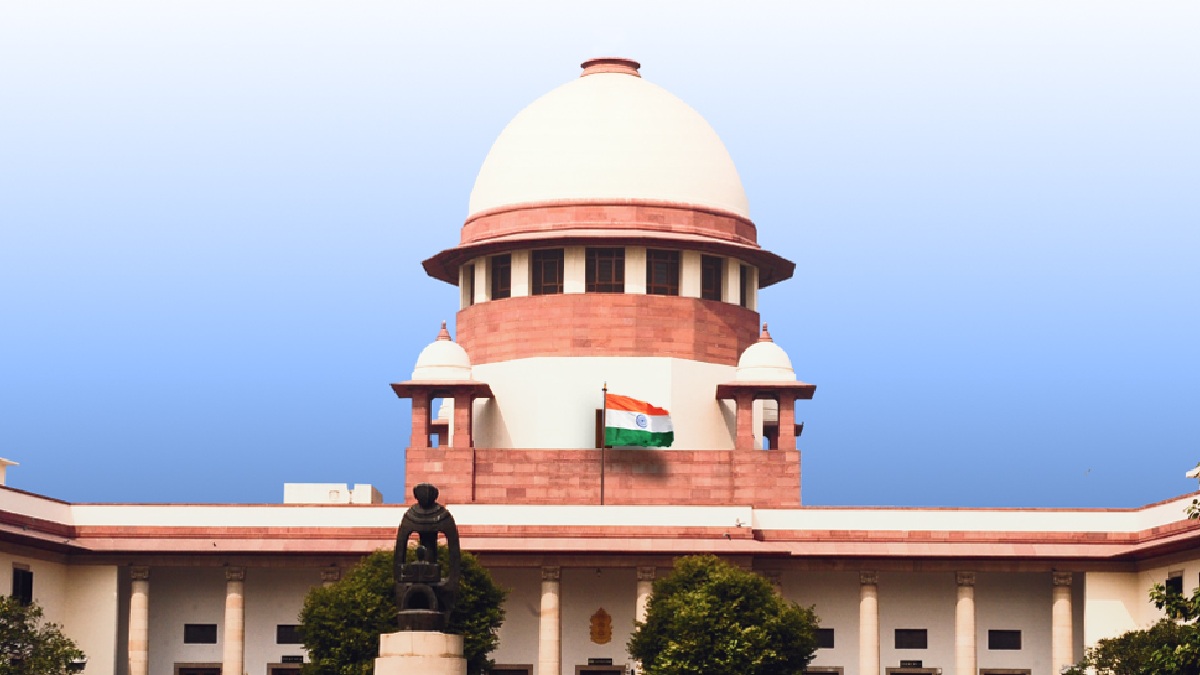
A bench of Chief Justice of India Surya Kant refused to accept the request and directed the committee to submit its report by November 30. At the hearing, the CJI questioned the need for such a long extension and observed that the committee had sought a deadline that would fall after his retirement. If the panel couldn't finish the task within the prescribed timeframe, the court could reconstitute it, he said.
“If they are not able, we will re-constitute,” the Chief Justice said, as quoted by Live Law. The court also instructed the committee to act quickly and asked its members to “work day and night” to complete the pending assessment.
The Supreme Court's decision comes at a crucial point in the legal and environmental examination of the Aravalli Hills. The mountain range, which covers parts of Rajasthan, Haryana, Delhi and Gujarat, is considered environmentally significant because of its role in groundwater recharge, biodiversity conservation and protection against desertification.
The High-Powered Committee was formed by the Supreme Court through an order dated May 25 to independently evaluate the Centre’s report on the definition and delineation of the Aravallis. The committee will decide how the hills and the ecological areas should be identified and protected.
The deadline for the panel to submit its final report was August 31. But in a compliance report filed on August 31, the committee said it needed more time to gather as much evidence as possible before making its conclusions.
According to the report, the panel's assessment is based on spatial, ecological, geological, hydrological and socio-economic evidence. It is also required to consider representations and concerns raised by different stakeholders whose interests could be affected by decisions concerning the Aravalli landscape.
The Supreme Court said stakeholder consultation would be key to the committee's work. And it is important for the panel to meet with all parties before it can reach a final conclusion, including tribal communities in Rajasthan and Gujarat whose interests and livelihoods may be affected if the definition, delineation or protection of the Aravalli region are changed.
The court has also allowed the committee to provide interim reports on particular issues whenever necessary. This could allow the Supreme Court to examine urgent or particularly important aspects of the Aravalli dispute without waiting for the committee’s entire exercise to be completed.
The committee has already done field-level work as part of its assessment. Its members went on field visits to investigate the Aravalli landscape from August 6 to August 11. Public hearings were also held during the exercise so people could express their views and suggestions to the panel.
The number of representations received by the committee has also broadened its scope of work. As of August 26, the panel had received approximately 680 representations through electronic and physical submissions, according to its compliance report.
The Supreme Court’s new order puts the committee under an even heavier deadline. Instead of receiving the six-month extension it had asked for, the committee now has until November 30 to write its final report. The court also noted that the Aravallis situation will be subject to close judicial scrutiny.
The matter has been listed for further hearing on December 2. By then the Supreme Court is expected to review the committee's report and assess if the directions issued regarding the Aravalli Hills have been complied with.
The November 30 deadline will have an impact on the future of the Aravalli landscape, and the committee’s findings will shape how hills are defined, delineated and protected. With the court ruling out another extension, the panel has to accelerate its remaining work and ensure that ecological evidence, stakeholder representation and the concerns of affected communities are considered.