The Indian Navy will commission INS Nipun (Nistar-class Diving Support Vessel) on August 31, which is another significant step in the development of India's maritime capabilities.
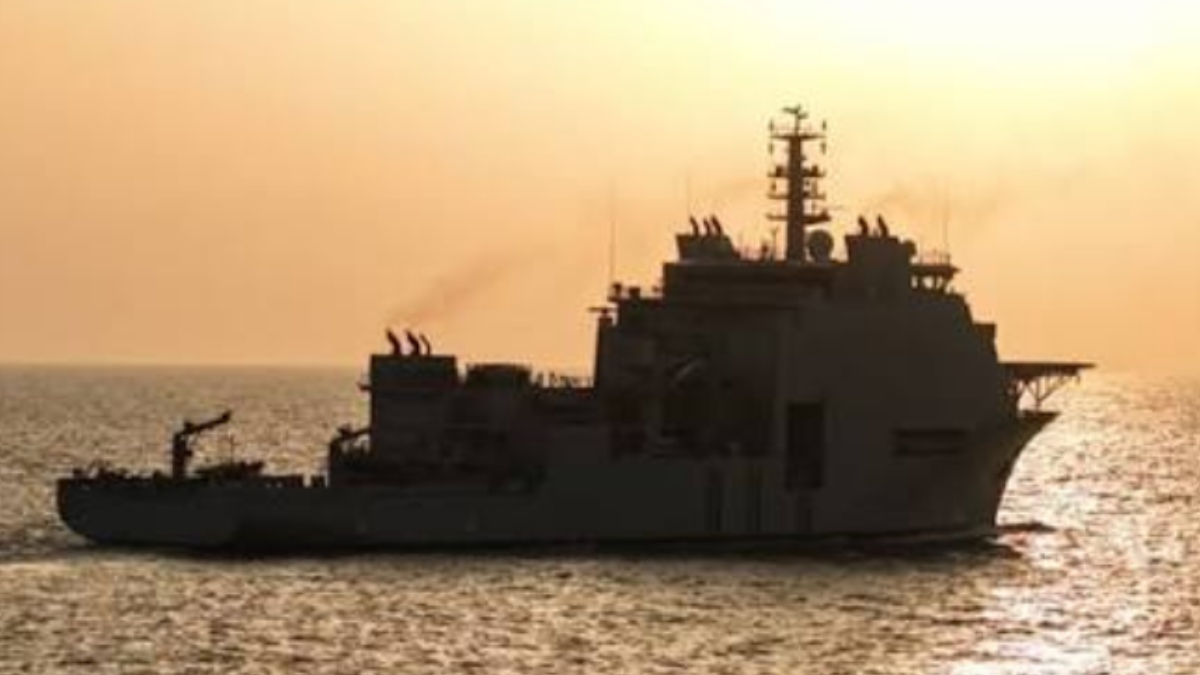
HSL (Hindustan Shipyard Limited) built the 118 metre long vessel and it will be used for complex underwater operations and will also be a vital help in diving and submarine rescue operations.
INS Nipun is similar to the first Nistar-class Diving Support Vessel and it has been designed to do a wide range of specific, specialized diving support work with sophisticated underwater tools and technology. It was built at Hindustan Shipyard Limited and delivered to the Indian Navy on July 30. Its commissioning is a culmination of a shipbuilding program to increase the country’s specialised underwater intervention capabilities.
Diving Support Vessels can be used as a diving support vessel to provide trained personnel with the means for working underwater. INS Nipun is equipped with modern diving equipment (saturation diving equipment, for example) and is capable of operating underwater for long periods of time, as it can be very useful in underwater inspection, intervention, salvage and other specialized marine operations.
The vessel also has Remotely Operated Vehicles (ROVs) and can be used for underwater work without the need to enter a difficult environment directly. ROV technology allows the operator to observe, examine and perform specific underwater tasks remotely. Such a combination of human skills and advanced technology can improve the Navy's ability to respond to complex underwater tasks.
On top of that, INS Nipun has a dynamic positioning system of its own. A ship can keep its position with a great degree of accuracy with the assistance of such systems that are not dependent on anchoring. For specialised diving and underwater rescue operations, a stable position is very important as small movements can also affect safety and effectiveness.
INS Nipun is also intended to serve as a mothership for the Deep Submergence Rescue Vehicle (DSRV). DSRVs are specialised platforms for submarine rescue. In case of a submarine emergency, a dedicated support vessel that can deploy and support rescue equipment can significantly increase response capabilities. So the vessel’s role is much wider than just maritime and also includes rescue missions.
The induction of INS Nipun is also notable for its high level of indigenous content. Almost 75 percent of the content of the vessel is indigenous as India is on the path of reducing dependency on foreign suppliers for key defence equipment. Hindustan Shipyard Limited in Visakhapatnam built the ship and showed how the Indian shipbuilding industry can work to build specialised naval platforms.
The indigenous content of the vessel fits into Aatmanirbhar Bharat’s mission of strengthening local manufacturing and technology capabilities on strategic bases. Indigenous defence shipbuilding can have a number of long-term benefits in the form of better supply chain control, specialized industrial expertise and capabilities that can be developed locally.
Specialised underwater platforms like INS Nipun are increasingly important for the Indian Navy as maritime operations become more technologically complex. Specialised equipment, submarine operations, rescue capabilities and maritime surveillance need a lot of specialised personnel as well. A Diving Support Vessel can provide mobility, equipment and operational support for those missions.
And the commissioning also adds to India's naval modernisation programme. The Navy has been steadily expanding its fleet with indigenous built and produced platforms for a variety of operational requirements. From big surface combatants and submarines to support ships and specialised vessels, indigenous shipbuilding has become a central aspect of India’s maritime strategy.
INS Nipun's saturation diving capabilities, ROVs, dynamic positioning and DSRV support mean that it is a specialised ship, not a conventional naval ship. The ability to respond to underwater interventions and rescue operations and save lives will be especially beneficial in missions of high need and high energy where precision, stability and specialised equipment are required.
The August 31 commissioning will be an important milestone for the Indian Navy and in the domestic shipbuilding industry as a whole. With its advanced underwater systems, 118-metre hull and substantial indigenous content, INS Nipun is an example of how Indian shipyards are getting better at building sophisticated specialised vessels.
As the Navy gains its capabilities in the maritime domain, ships such as INS Nipun will help in underwater operations, submarine rescue, and other challenging missions. This induction shows India’s intent to develop a capable and self-reliant maritime force and to strengthen the country’s defence manufacturing sector.