Air India has ordered all its pilots to have dope tests after the captain of an Air India flight who was involved in a serious in-flight incident was reported to have tested positive for marijuana. This new screening program goes beyond existing regulations and is aimed at enhancing safety and passenger confidence, the airline said.
The mandatory testing began on Thursday and will cover pilots throughout the Air India group. The airline will screen pilots for substances and medications that are not permitted under existing aviation regulations, it added.
Air India said the tests would take place at many locations, including during training sessions at its Gurugram Academy, after flights at flight briefing centers and at company offices. The airline described the initiative as an additional safety measure which is in line with the Directorate General of Civil Aviation (DGCA) requirements that it already complies with for drug and alcohol testing.
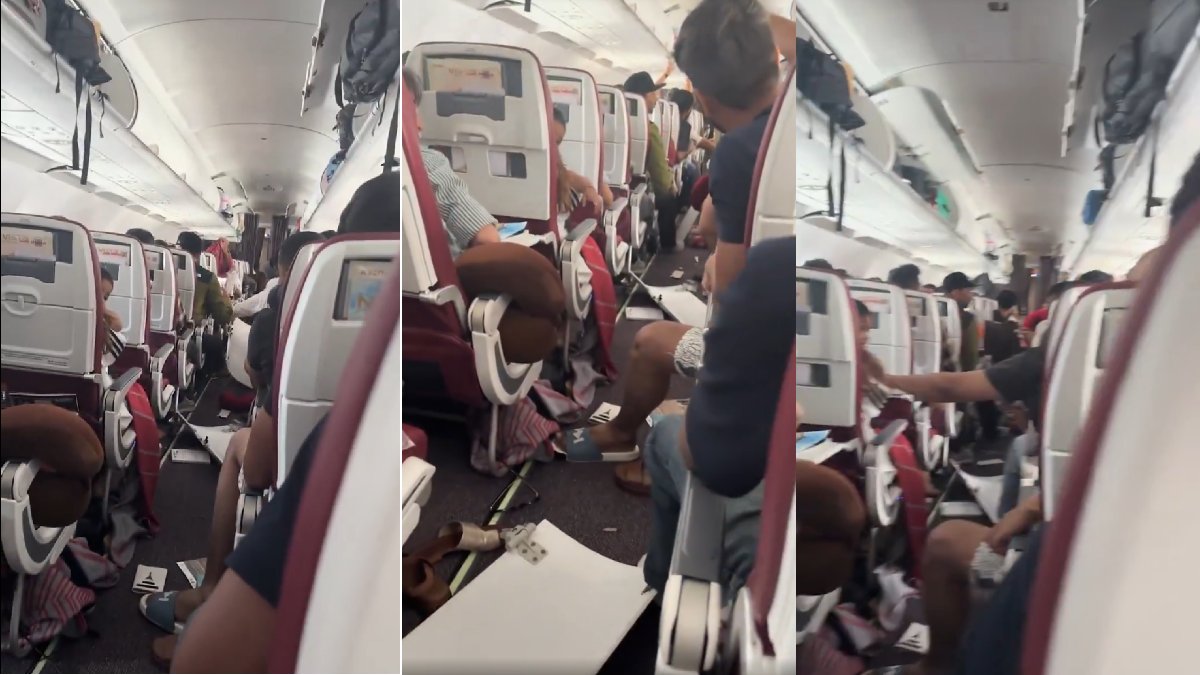
The decision comes amid growing speculation on the captain of Air India flight AI-2379, which was flying from Phuket to Delhi on August 4. The Boeing flight was carrying 137 passengers and eight crew members when it suddenly lost altitude of around 300 feet over Odisha. More than 20 passengers and four crew members were injured in the incident.
According to the report, Sudeep Vashistha, the captain of the plane, tested positive for marijuana in two drug tests after the flight. The development raised questions about the system used for determining whether pilots are fit to fly and whether existing safeguards are sufficient to detect prohibited substances before or after duty.
According to an incident report, Vashistha was not in the cockpit at the time of the sudden altitude loss, with the co-pilot in charge. The captain then went into the passenger cabin to check on injured passengers after the aircraft lost altitude, the report said.
According to reports, the captain had appeared unsteady after landing in Delhi and needed assistance. He was also physically assisted in submitting his urine sample during the investigation.
The captain told investigators that he was having difficulty sleeping, he said in the internal safety report, and said he was prescribed medication by his family doctor because of sleep difficulties related to personal circumstances.
He had tried to rest during his layover in Phuket but could not sleep well, he said. He had believed that light physical activity would help improve his sleep quality, the statement said. He also said he was concerned about how his rostered duties were scheduled, and that even if they were within legal rest limits, the arrangement limited the time he had for rest at night.
The positive drug test has put a renewed focus on the connection between pilot fatigue, medication, recreational substances and aviation safety. The fitness requirements of pilots are very high because even a short-term impairment can have a serious impact on flight operations.
Air India’s decision to test its entire pilot workforce is therefore being presented as a precautionary step rather than a response to the individual case. The airline said maintaining passenger trust was one of its most important priorities and that it wanted to take every possible measure to protect that trust.
The airline also stressed that pilots have been an important aspect of safety standards in Indian aviation in the past. Beyond the minimum regulatory requirements, Air India wants to reassure passengers, workers and everyone else in the company that safety is at the heart of the airline.
BOG BREAKING: Captain in charge of Air India flight from Phuket to Delhi that plunged 300 mtr and injured many passengers tested positive for marijuana 😱 pic.twitter.com/Y9rxYvfjGK
— PaniG (@jaijagannath081) August 11, 2026
The controversy could also bring a closer look at pilot drug-testing procedures across the aviation sector. Regulators and airlines may be asked about the frequency and timing of tests, procedures for pilots taking prescription medication and mechanisms for identifying potential impairment before a flight.
At some level, passengers would see the move as a bid to build confidence in Air India’s safety systems to a higher level. The airline’s expansion of the screening program will be closely watched now as authorities continue to investigate the circumstances of the Phuket-Delhi flight incident and the captain's positive drug test results.
The case highlights the need for pilots to be physically and mentally fit for duty and that airlines have robust mechanisms to identify any factor which could compromise flight safety. As the investigation continues, the findings could influence future safety protocols and drug-testing practices in India's commercial aviation industry.