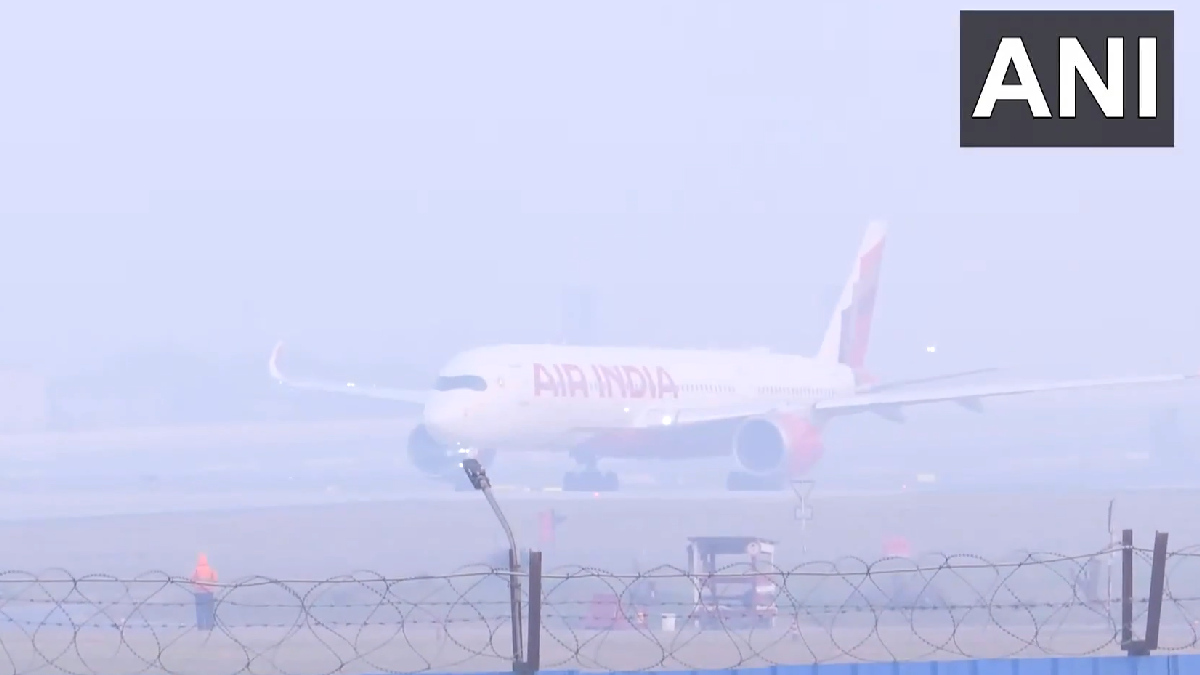
A chief pilot of an Air India flight from Phuket to Delhi has been found to have drug consumption in a second drug test following an earlier suspicious result.

The development comes after the Phuket-Delhi flight incident in which both pilots were required to undergo a drug test as part of the prescribed aviation safety procedures.
The co-pilot’s test was negative but the chief pilot’s initial test had to be checked again. The sample was sent to a laboratory for further testing.
Now the final report has confirmed the presence of drugs, although the matter is still under investigation.
Both pilots went through mandatory testing
As part of standard aviation safety procedures, both captain and co-pilot were tested following the incident.
The co-pilot's sample was negative, so there is no evidence of drug use.
However, the captain’s first test reportedly produced a suspicious or inconclusive result. Since an initial screening result may need to be confirmed, the sample was sent to a laboratory for a more detailed test.
The second test has now returned a positive result
Captain’s Final Report Shows Positive Result.
According to reports, final laboratory analysis has confirmed drug consumption by the chief pilot.
The development is significant because pilots must meet medical and safety standards for commercial flights. Any violation for which prohibited substances are found to be used in terms of safety or health could result in regulatory and disciplinary action.
The exact substance detected in the pilot’s sample and the concentration involved have not been established in the information currently available.
Authorities may look at the laboratory report and other evidence before coming up with the next course of action.
Investigation Continues
The positive test is likely to be part of the ongoing investigation into the Phuket-Delhi flight incident.
Investigators may examine the circumstances surrounding the flight, the pilot’s medical and testing records, the timing of the sample collection and the process of testing.
If they confirm a positive result, it could also result in action under applicable aviation regulations depending on the conclusions of the investigation.
Aviation authorities generally set high standards to prevent alcohol and drug use by the flight crew because impairment can have serious implications for passenger and crew safety.
Co-Pilot’s Report Was Negative
The contrast between the two test results is now also an important aspect of the case.
While the captain’s first test raised concerns and the subsequent laboratory examination confirmed drug consumption, the co-pilot’s report was negative.
This means that the investigation will be focused on the captain’s test results and whether the reported positive finding was related to the circumstances surrounding the flight.
Authorities can also check whether all the testing procedures were properly followed and whether the laboratory analysis meets the required standards.
What Happens Next?
The case would still be under investigation by aviation authorities after the final report, and it would be determined whether regulatory or disciplinary proceedings are warranted.
If a confirmed positive drug test results in a commercial airline pilot, it can have serious professional implications - like restrictions on flying duties and further regulatory action, depending on the rules and findings.
But the outcome is a matter for the official investigation and the conclusions of the relevant aviation authorities.
The incident has once again served as an example of the need for strict medical screening and drug/alcohol/addiction testing of flight crew. Pilots in commercial aviation are required to be medically stable and free from any substance that might impair judgment, coordination, or reaction time.
At the same time, the positive result of the captain’s second test is still a significant development in the Phuket-Delhi flight case, and the investigation is still in progress to determine the full truth behind the incident.