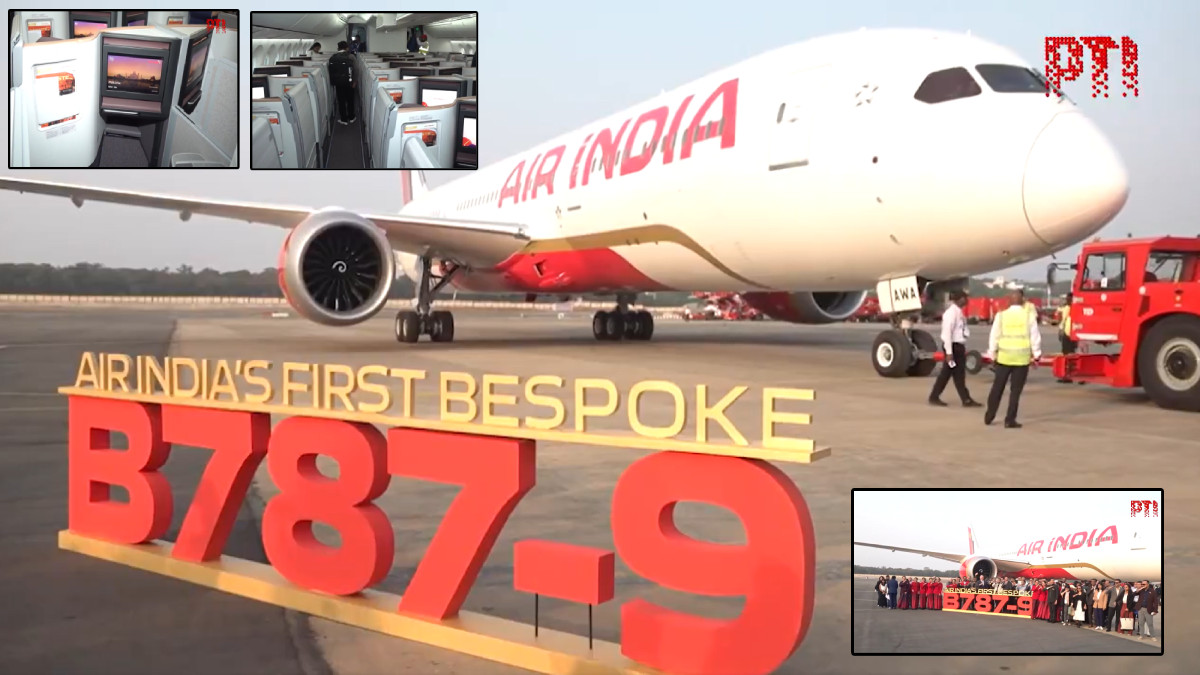
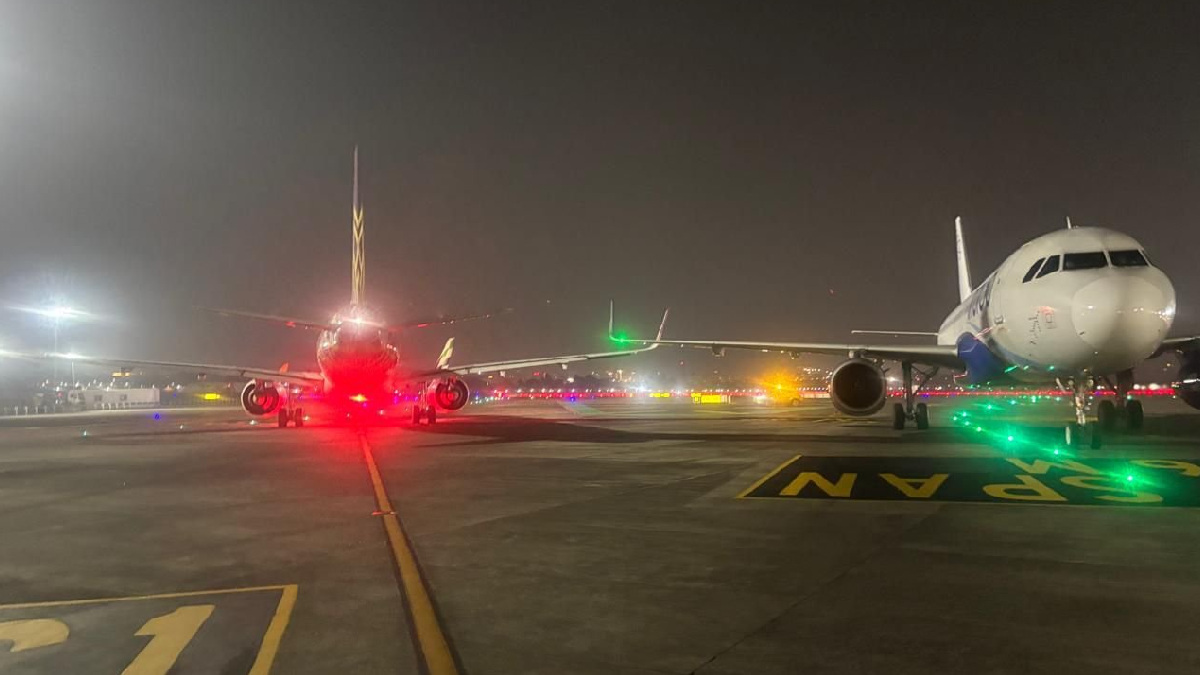
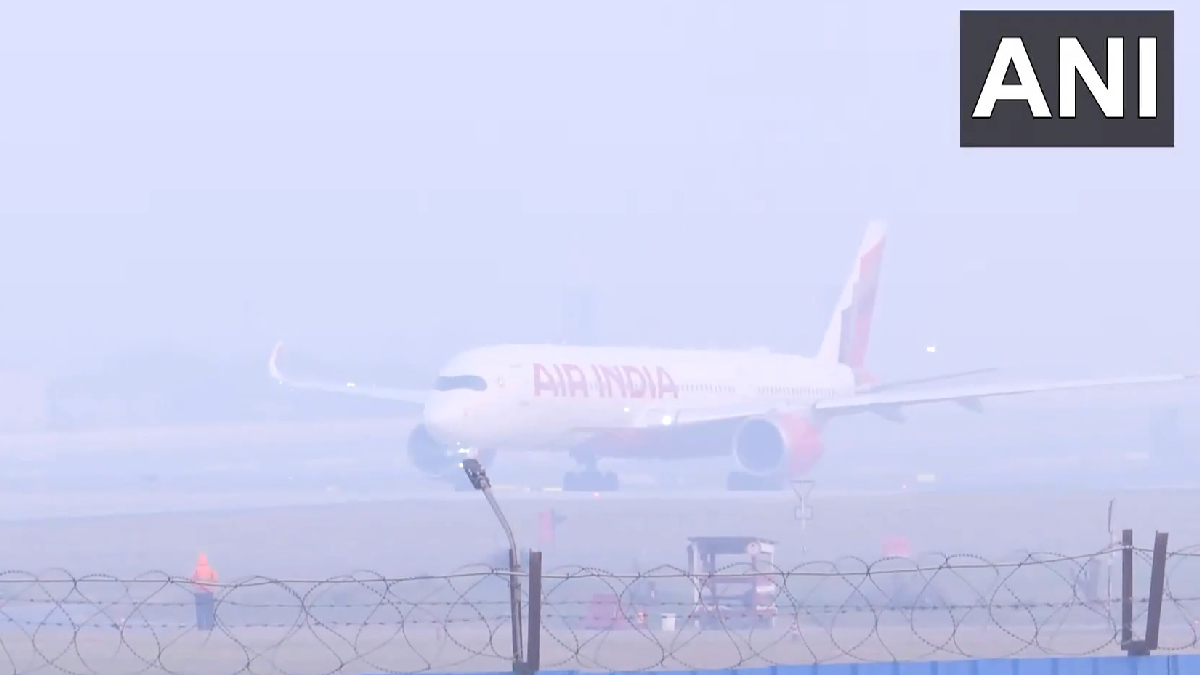
Air India is also set to cut international flights and close routes with some of the largest international destinations starting in June as fuel prices in aviation surge and operational expenses climb. The action arrives at a time when world crude oil prices remain volatile amid geopolitical tensions and uncertainty in global markets.
Rising fuel costs are the No. 1 factor driving what practically all airlines are facing and forcing these carriers to reassess route profitability by examining their overall costs of operations. Industry sources noted that Air India (which plans to scale down) will reduce frequencies in a narrow cross-section of international long-distance segments, while halting travel routes experiencing weak demand or elevated costs of operations.
The airline is believed to have made a choice between large number of destinations as cost-control programme overall. The Aviation Turbine Fuel (ATF) represents a key fuel portion and so does operating costs of airlines, as the price of fuel in recent years surged and stressed airline’s finances.
But low fuel consumption or maintenance costs will likely make many airlines make long-haul operations without breaking the bank, industry experts said. At the time of summer peak travel season, the reported decision is likely taking a toll on passengers travelling overseas. But flight agency officials are likely to concentrate their energies on maintaining operations on lucrative and growing overseas markets.
Air India can also optimise aircraft scheduling, or simply reduce frequencies on routes as passenger numbers may have changed over a month, the company said. The airline is in the middle of a huge restructuring and expansion undertaken by the Tata Group at the same time as the company reverts to private ownership.
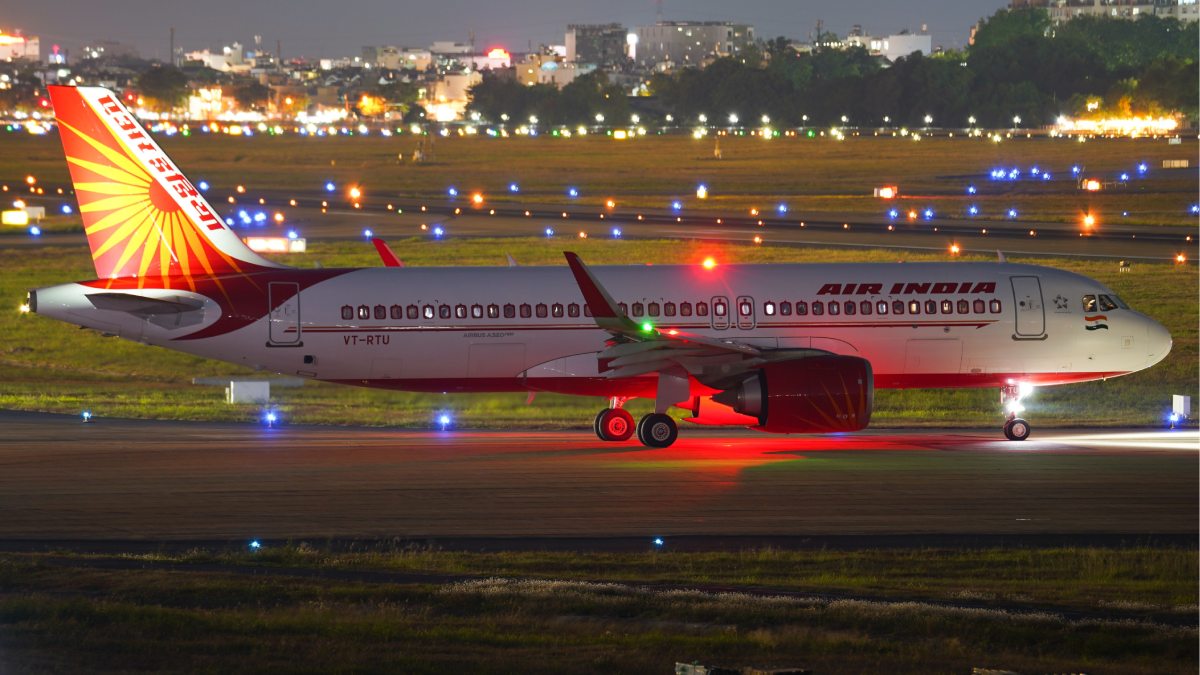
The shrinking of international services is more viewed as a temporary modification of what is done than as a gradual disengagement from potential international markets. But analysts believe the airline is attempting to safeguard its margins while coping with skyrocketing costs around the world.
Fluctuating oil prices, supply chain disruptions, currency declines in countries worldwide, and higher airport taxes have squeezed global flight firms. The Indian subcontinent has also seen the depreciation of the rupee itself, which increases the cost of fuel purchase and payments for aircraft leasing made in US dollars.
For instance, air traffic authorities, which hold vast economic reserves and travel industry analysts project ticket prices will have been a reason to look at different directions, such as if flight frequencies are slashed and demand is flat, prices in some major international markets will likely rise even higher.
That means that holiday and business travel season travellers will spend more money and have fewer places available on some lines. This is not just changing the face of Air India, but a story that has been echoing in the hearts and minds of Indian consumers since it was acquired by the Tata Group and has been focusing on retooling its fleet and improving service.
Last week, the airline ordered large aircraft and intends to expand its presence around the globe. Fuel costs and turbulent markets create short-term operational problems that continue to plague the air travel industry. Many global airlines have made similar moves, too, during high fuel-price times, shutting down untenable routes and reducing frequencies to boost finances, analysts say.
All tickets booked on a route that this will impact will then be informed by the airline within a few days of any changes in its plan (either plans or changes in the routes disrupted). The airlines, meanwhile, will be a litmus test for how long and how well demand for international travellers may hold steady against growing operating expenses.
Airline reaction to these new risks: the air transport sector will now need to track how long fuel costs are likely to continue rising, and if there can or should be sufficient international demand for flying that the expansion of outlay can be offset by the rise in operational costs, as the impact is being felt today.
Now, at a time when Air India is reported to also announce route rationalisation plans for its airline in June, this underscores the mounting cost of business uncertainty at all levels from the global economy, and the swings of fuel prices are rolling out throughout the air carrier industry.