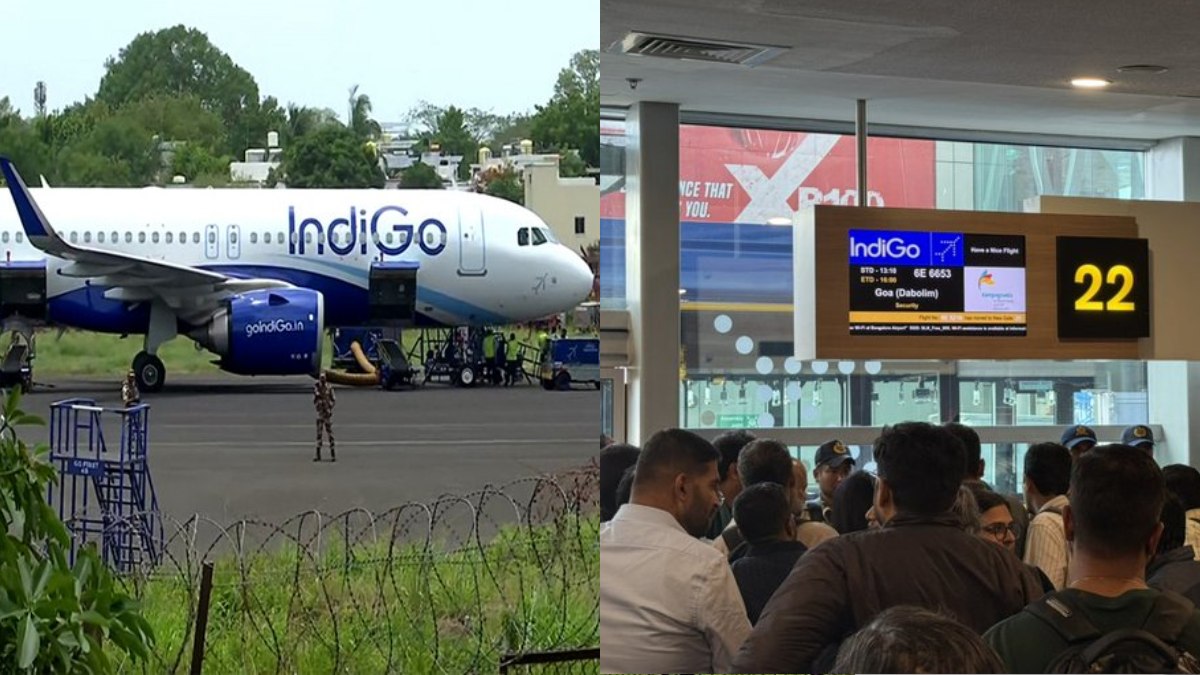
The operational meltdown at IndiGo, India’s largest airline, which led to the cancellation of over a thousand flights in just four days, has triggered an unprecedented surge in domestic airfares, pushing economy class ticket prices on some trunk routes well over the ₹65,000 mark. Stranded passengers, desperate to find immediate alternatives, are facing what has been termed a classic case of "surge pricing exploitation" resulting from a drastic reduction in available capacity.
Skyrocketing Ticket Prices on Key Routes
The price escalation has been most severe on high-demand, high-frequency routes, primarily originating from the capital, Delhi, where IndiGo was forced to suspend all domestic departures for a day:
- Delhi-Chennai: Last-minute, one-way tickets on alternative carriers reportedly hit a peak of ₹65,985 for economy class.
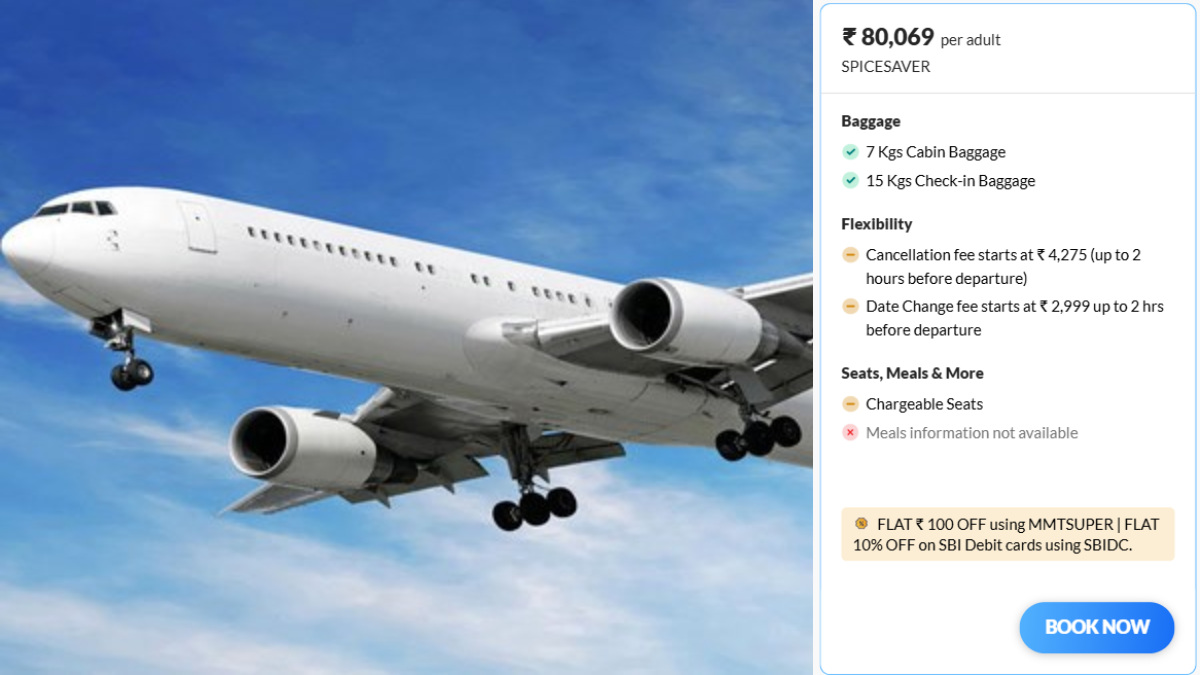
- Delhi-Mumbai: Fares soared from a typical range of ₹5,000–₹8,000 to over ₹38,676 and, on certain platforms, even beyond ₹80,000 for immediate travel.
- Delhi-Bengaluru: Prices ranged between ₹38,378 and an astonishing ₹1,02,000 for flights with layovers, as supply virtually dried up.
This price hyper-inflation is magnified because the chaos coincided with the peak December travel season, driven by business, family trips, and holiday movement.
The Mechanism of the Price Explosion
The primary reason for the airfare explosion is a severe supply-demand shock caused by IndiGo, which commands over 60% of the domestic market, abruptly pulling hundreds of flights from the schedule.
- Capacity Squeeze: The cancellations instantly squeezed the total available seating capacity in the market.
- Surge Demand: Thousands of stranded IndiGo passengers were forced to immediately book seats on other airlines (Air India, SpiceJet, Akasa Air, etc.).
- Dynamic Pricing: With limited seats remaining and a sudden rush of desperate buyers, rival airlines' dynamic pricing algorithms automatically pushed fares to their maximum permissible limit to capitalise on the acute shortage.
The root cause of IndiGo’s operational failure lies in its admitted "misjudgment and planning gaps" in adapting its crew rostering to the new, stricter Flight Duty Time Limitation (FDTL) norms implemented by the DGCA on November 1, 2025, which increased mandatory rest periods for pilots.
Regulatory Intervention and Public Outcry
The sheer scale of the inconvenience and the exorbitant fares led to massive public outcry, with many passengers comparing the ticket cost to attending a "Taylor Swift concert." The Directorate General of Civil Aviation (DGCA) stepped in, ordering the airline to provide a detailed mitigation plan and assuring that it would closely monitor the spiraling airfares to prevent consumer exploitation.
IndiGo has apologised to customers and requested operational exemptions from the DGCA to stabilise its schedules, forecasting that a full return to normalcy will likely take until February 10, 2026. Until then, passengers are expected to continue facing high fares and potential disruptions.