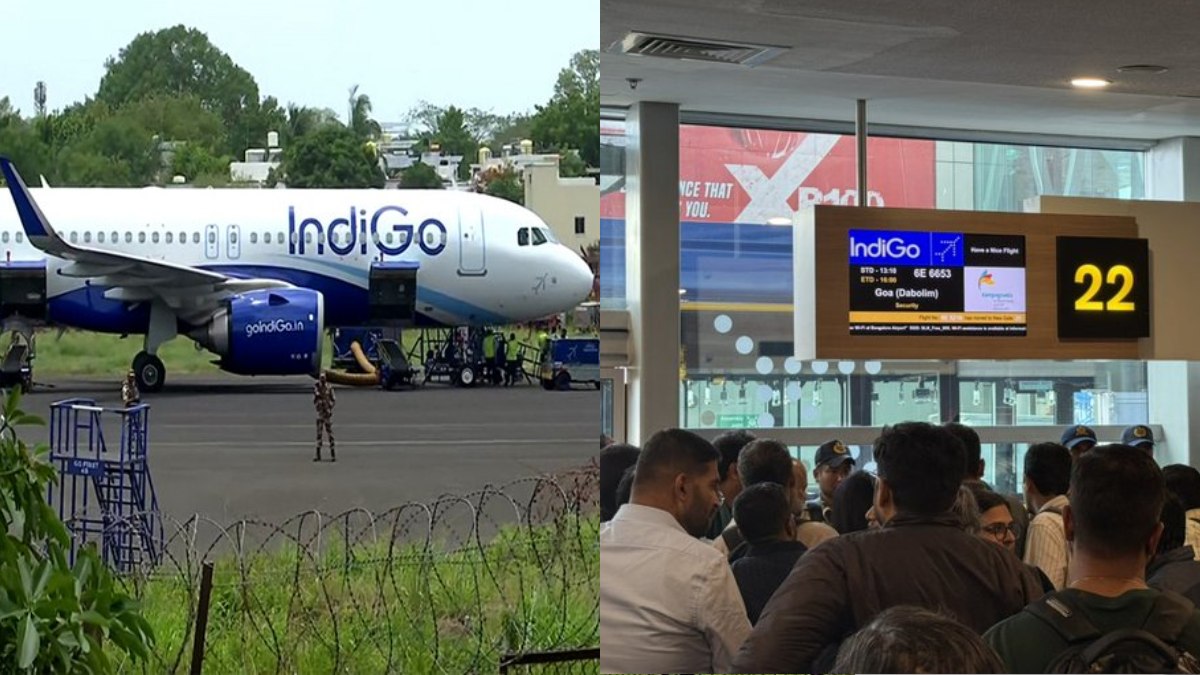
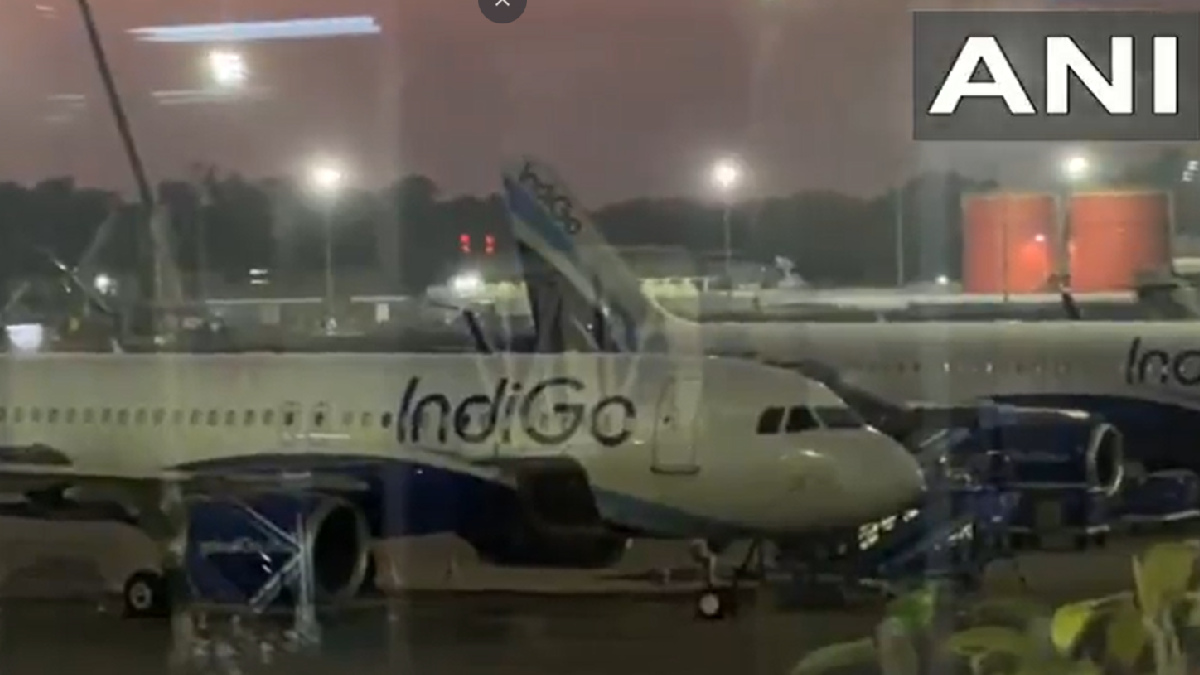
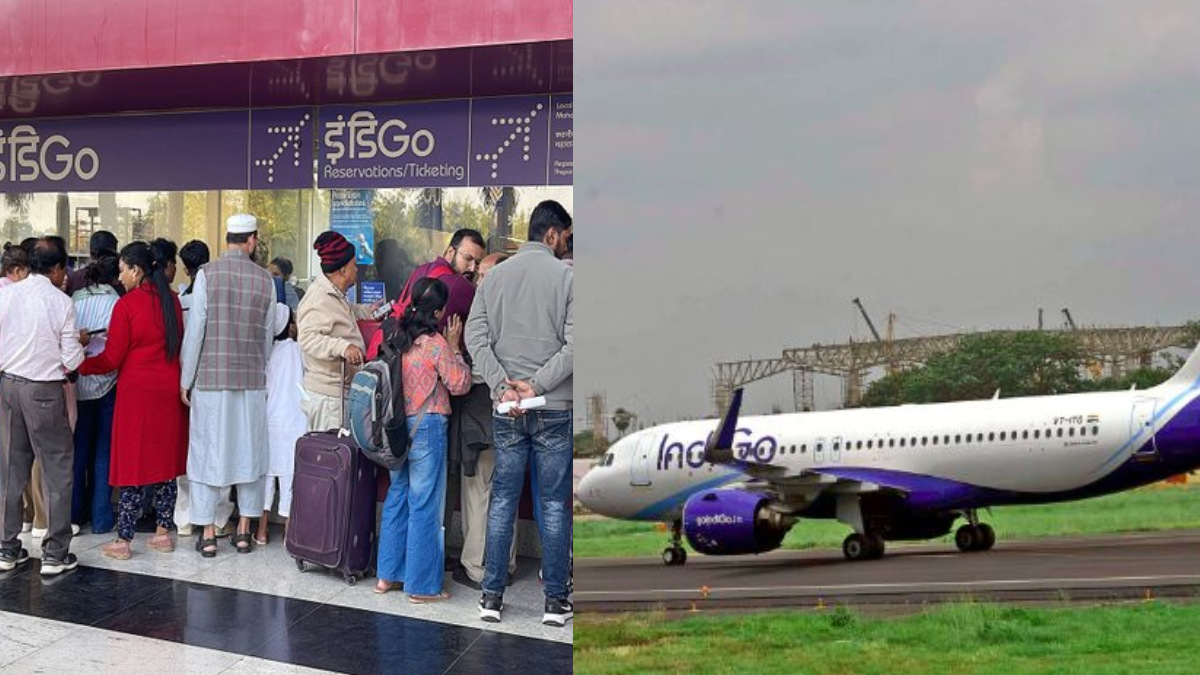
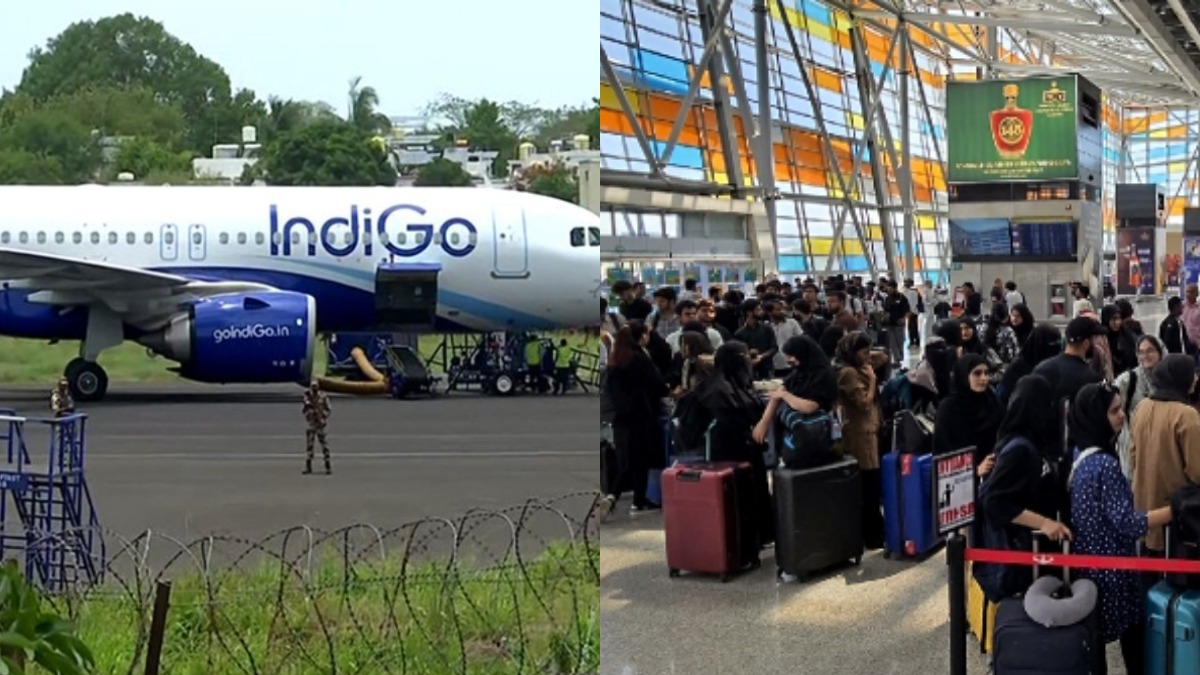
In a massive operational cleanup following widespread flight disruptions, IndiGo, India’s largest carrier, has confirmed paying out a staggering ₹827 crore in refunds to passengers affected by the cancellations. This financial outlay underscores the scale of the chaos that gripped the airline's network, particularly during the peak December travel season. The crisis, which saw over 4,500 flights cancelled in a single week in early December, was primarily triggered by the airline’s failure to adapt its tight crew rostering to the new, stricter Flight Duty Time Limitation (FDTL) norms implemented by the Directorate General of Civil Aviation (DGCA) in November 2025.
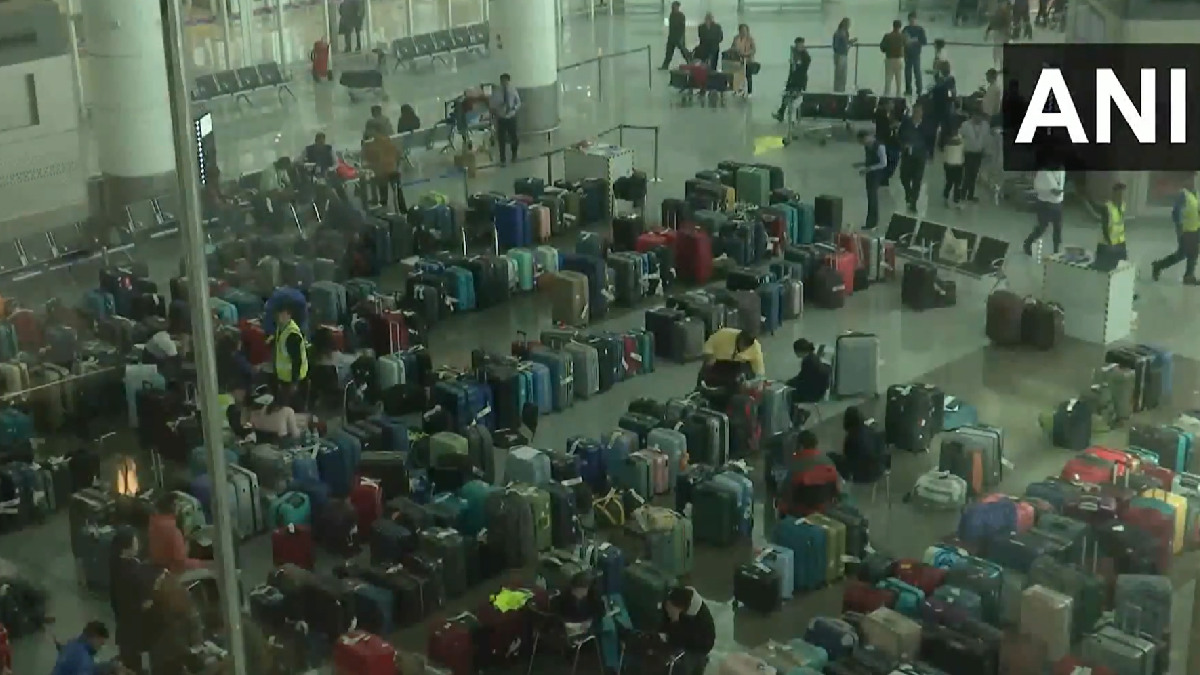
Reconciling Lost Luggage and Restoring Trust
Beyond the financial compensation, IndiGo has also made significant headway in resolving the logistical nightmare created by the operational collapse. The airline announced that it has successfully traced and returned approximately 4,500 pieces of misplaced baggage to their rightful owners. Misplaced luggage often exacerbated the distress of stranded passengers, and this targeted effort to reunite travelers with their belongings marks a crucial step in mitigating the crisis and restoring basic service reliability.
Regulatory Intervention and the FDTL Crisis
The severe disruption—which saw IndiGo's On-Time Performance (OTP) plummet to single digits on some days—forced a direct intervention from the Ministry of Civil Aviation. The government issued strict directives, ordering the airline to clear all pending refunds by a set deadline and mandating that no rescheduling fees be levied on affected passengers. Furthermore, the DGCA, after initially seeking explanations and issuing a show-cause notice to the CEO, granted a temporary exemption from some of the stricter FDTL provisions to allow the airline time to stabilize its schedules and prevent further chaos during the busy travel period.
The Core Problem: Under-prepared for New Safety Norms
Aviation analysts and pilot unions have consistently pointed to IndiGo's "lean manpower strategy" and lack of proactive planning as the root cause. Despite a two-year preparation window for the new FDTL norms, which increased weekly pilot rest from 36 to 48 hours and restricted night landings, the airline was reportedly unprepared. This failure to adequately hire and roster sufficient pilots meant the new safety rules immediately pushed their high-utilization model into disarray, leading to the mass grounding of flights.
Road to Recovery and Passenger Relief Measures
While the airline's CEO, Pieter Elbers, publicly apologized and promised a gradual return to normalcy, the government also took steps to protect consumers from the resulting market volatility. Temporary fare caps were imposed on all airlines across affected routes to prevent opportunistic surge pricing, and the Indian Railways deployed special trains to assist stranded passengers. The ₹827 crore in refunds, alongside the successful baggage reconciliation, represents the immediate, costly fallout of the crisis as IndiGo works under government scrutiny to rebuild its operational integrity and passenger confidence.