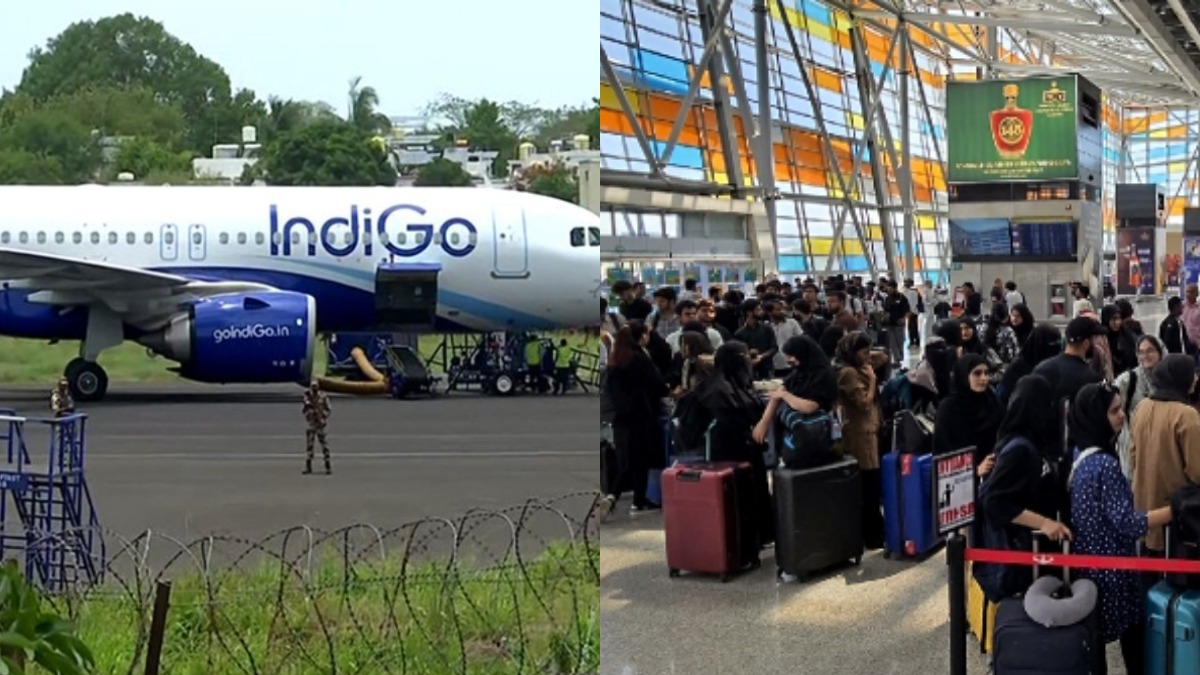
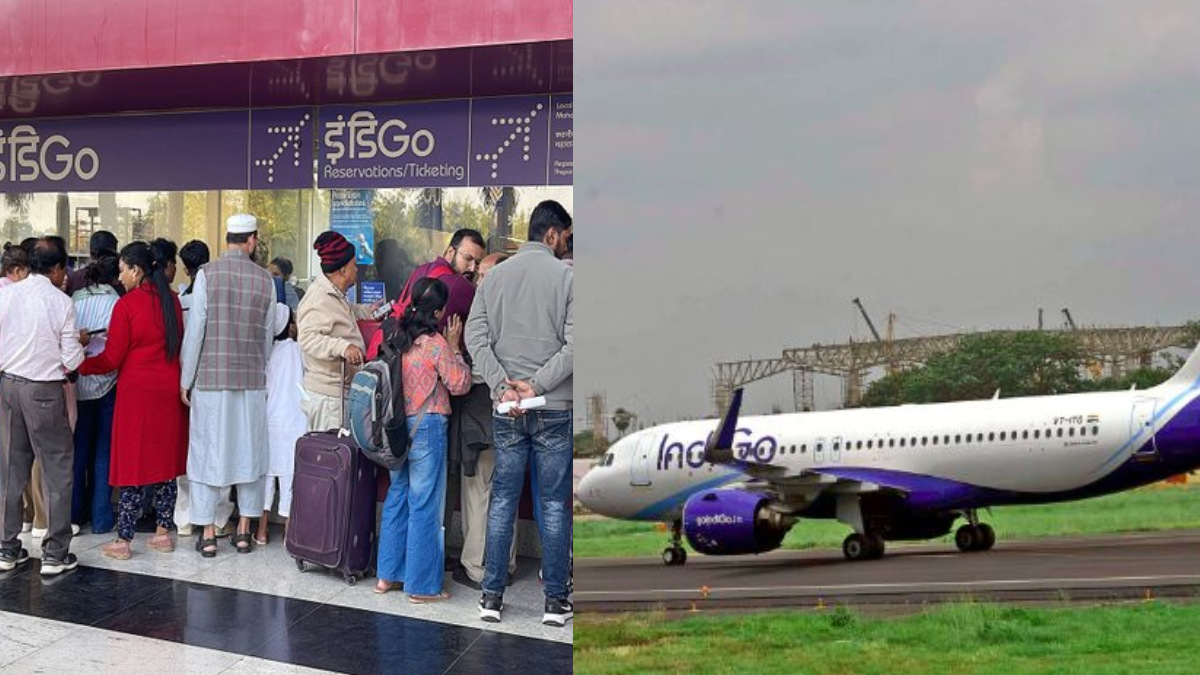
India's largest domestic carrier, IndiGo, has been plunged into a major operational crisis, resulting in the cancellation of over 600 flights within a span of just two days, starting Tuesday, December 2nd. The widespread disruption has severely impacted tens of thousands of passengers across the country's major metropolitan airports, including Delhi, Mumbai, Bengaluru, and Hyderabad, leading to mass chaos, long delays, and public outcry. The airline's on-time performance (OTP) plummeted to a mere 35% on Tuesday, marking the worst score among all scheduled Indian airlines.
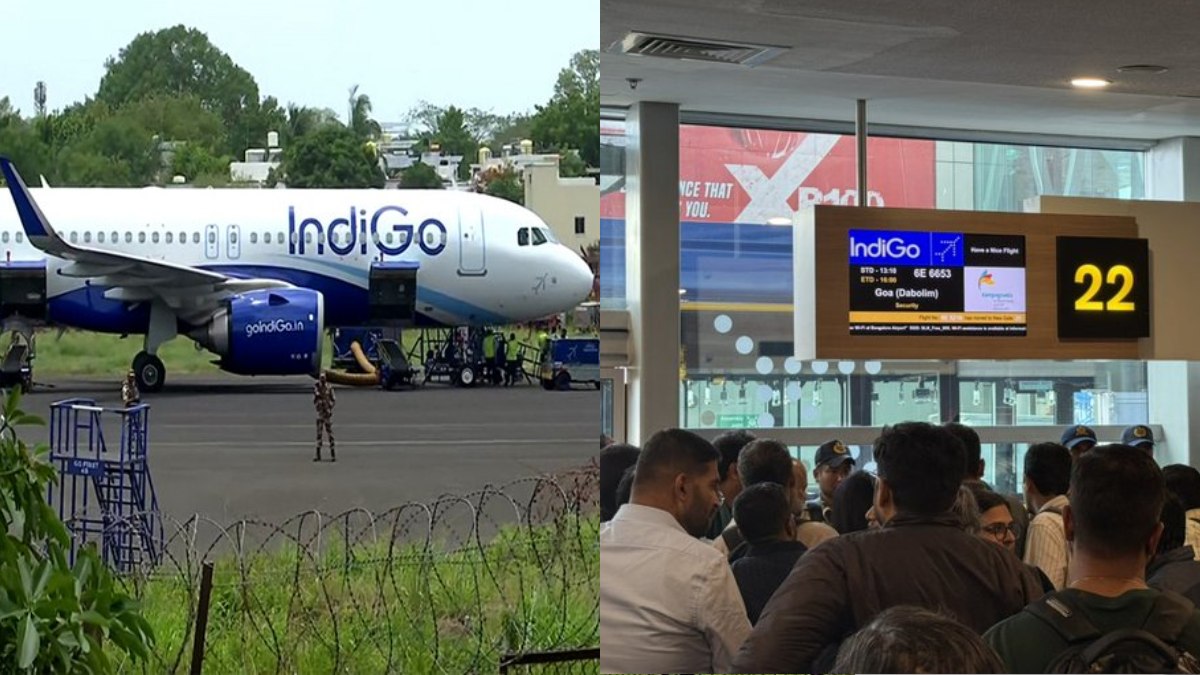
The Core Issue: Pilot Shortage and New FDTL Norms
The root cause of this massive disruption is an acute shortage of flight crew, specifically pilots, following the full implementation of stricter Flight Duty Time Limitation (FDTL) norms mandated by the Directorate General of Civil Aviation (DGCA) effective November 1st. These new rules are designed to combat pilot fatigue, a major safety concern, by significantly increasing mandatory weekly rest periods to 48 hours (up from 36 hours) and severely restricting night-time flying and landings.
IndiGo, known for its high aircraft and crew utilization model and dense network of night flights, appears to have been caught unprepared for the increased crew requirement imposed by the safety rules. According to DGCA data for November, 755 out of 1,232 total IndiGo cancellations were directly attributed to crew and FDTL-related constraints, revealing the extent of the staffing issue well before the latest crisis hit.
Compounding Factors and Official Response
While the FDTL rules are the primary driver, the airline has attributed the cascading failures to a "multitude of unforeseen operational challenges." These challenges include minor technology glitches, routine schedule changes linked to the winter season, adverse weather conditions, and increased congestion at major aviation hubs.
The crisis has caught the attention of the highest levels of the government. The Civil Aviation Minister and the DGCA have called IndiGo's senior management for urgent meetings, expressing "clear displeasure" over the way the situation was handled. The DGCA has directed the airline to urgently deploy additional staff at airports for passenger support and submit a detailed roadmap for stabilizing operations. IndiGo has since issued a public apology and announced "calibrated adjustments" to its schedule, indicating the possibility of more planned cancellations until operations stabilize, a goal the airline stated might take until February 10th.
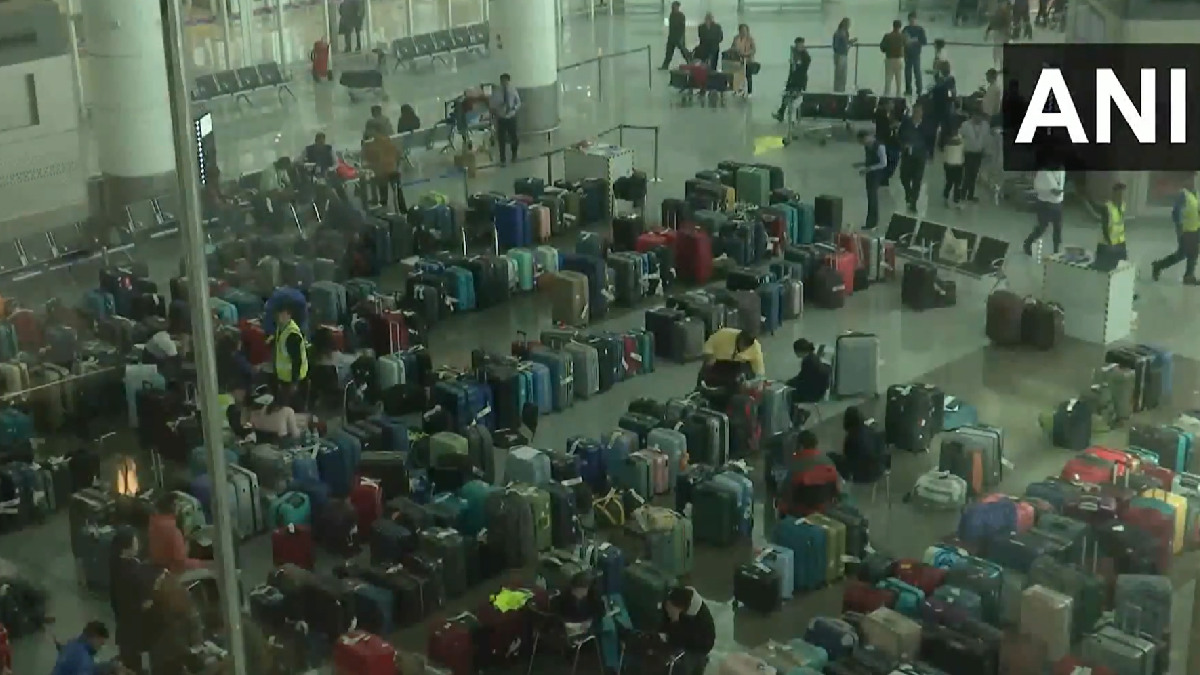
Impact on Passengers and Industry
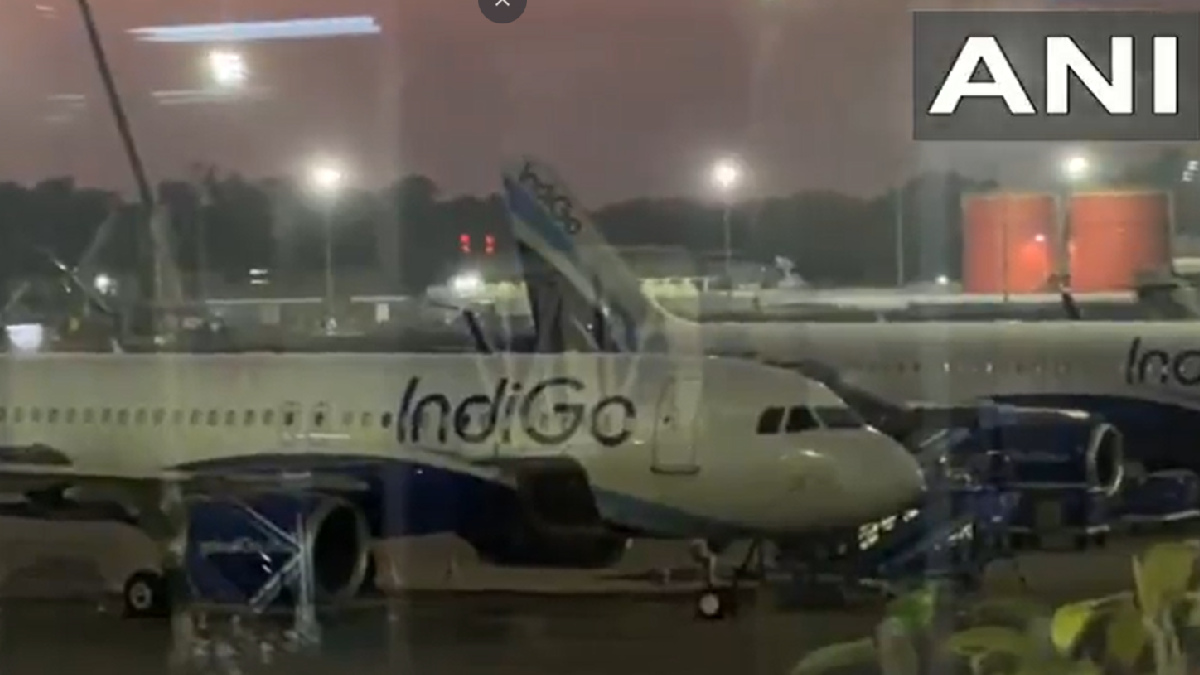
The operational failure at India's largest carrier (holding over 60% market share) has had a devastating impact on air travel. Stranded passengers have faced delays stretching up to 12 hours, a lack of clear communication, and soaring ticket prices on alternate carriers, with some economy fares touching as high as ₹43,000 for peak routes. Furthermore, the chaos has spilled over to affect other airlines, as delayed IndiGo aircraft have occupied critical parking bays at congested airports, further disrupting the entire domestic network during the crucial peak travel season.