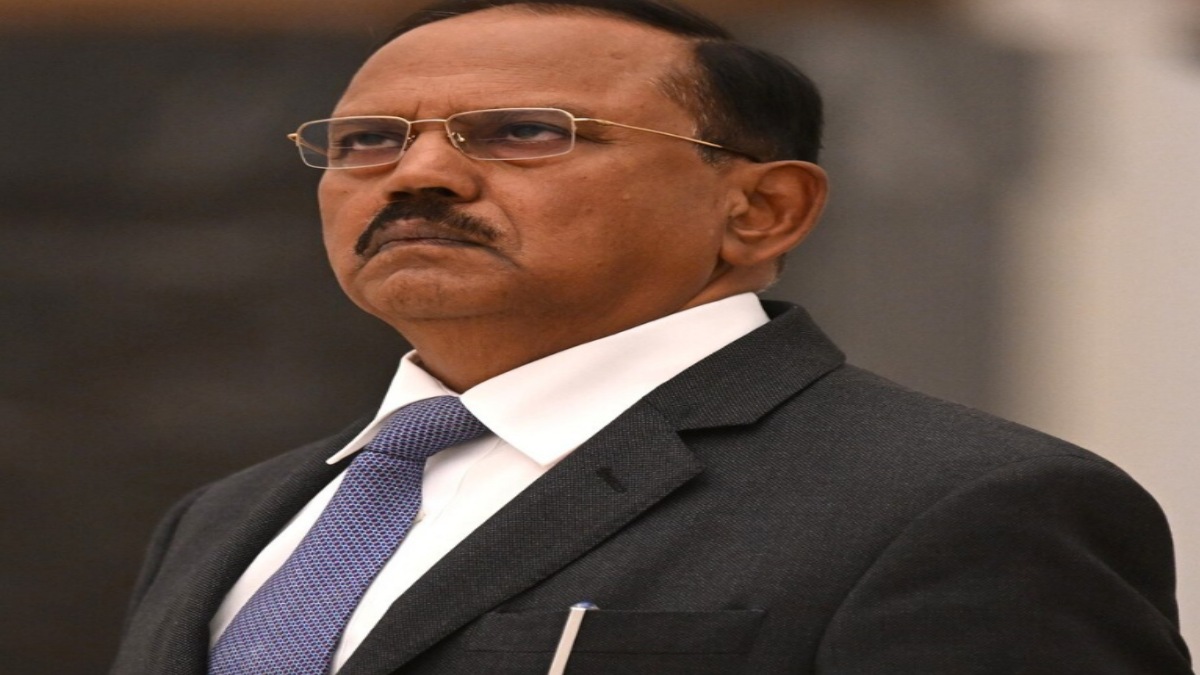
India will host the fifth BIMSTEC National Security Advisers' (NSA) meeting in New Delhi on July 16 with National Security Adviser Ajit Doval leading discussions on regional cooperation against terrorism, cyber threats, organised crime and maritime security issues.
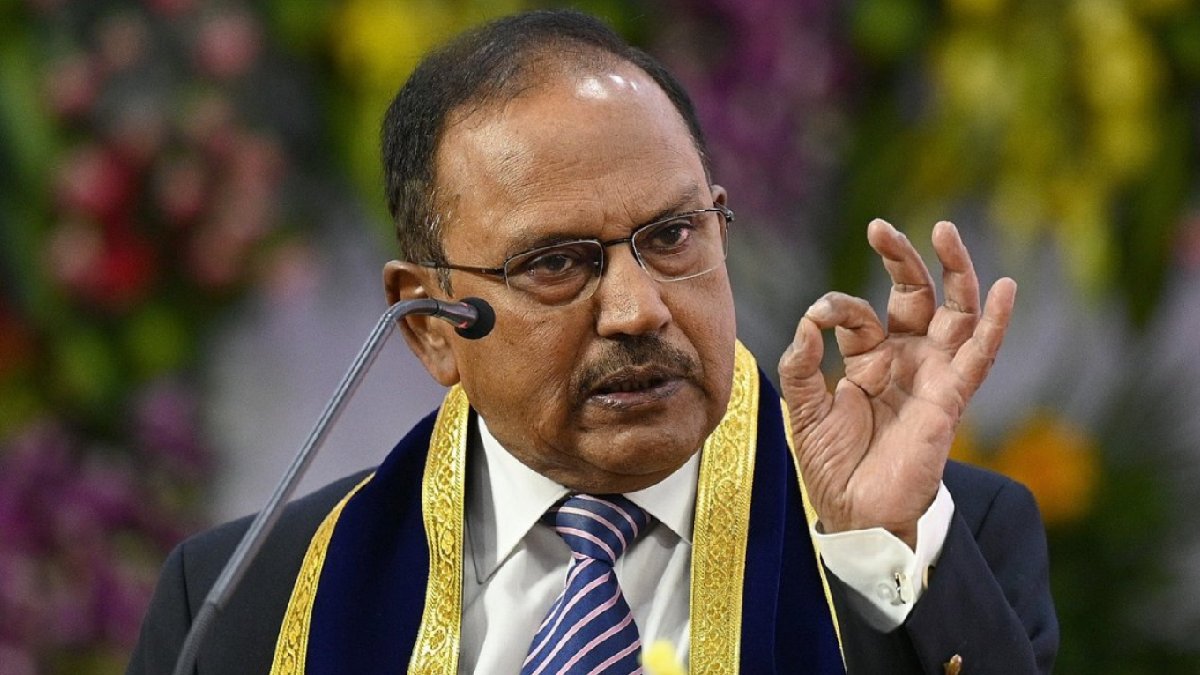
The high-level meeting will bring together national security representatives from all seven BIMSTEC members - Bangladesh, Bhutan, India, Myanmar, Nepal, Sri Lanka and Thailand - in New Delhi on how to build security cooperation across the Bay of Bengal region.
India is going to push for stronger security cooperation, sources said.
The summit is expected to reinforce India’s “Neighbourhood First” and “Act East” policies by strengthening practical security cooperation among BIMSTEC nations.
India will also advocate real-time intelligence sharing, closer cooperation among security agencies and joint action to tackle cross-border terrorism, sources said. Counter-terrorism will be the focus of discussions.
The officials will also consider strategies to fight transnational organised crime, including:
- Drug trafficking
- Illegal arms smuggling
- Human trafficking
- Terror financing
- Cross-border criminal networks
- Maritime Security in Focus
Given the Bay of Bengal's strategic importance, maritime security will be a subject of the meeting.
We expect member nations to discuss how to strengthen:
- Maritime domain awareness
- Protection of vital shipping lanes
- Measures against piracy
- Illegal fishing
- Coastal and border security cooperation
India would also be likely to insist that better maritime cooperation is essential for regional trade, energy security and economic linkages.
Cybersecurity and Emerging Threats
As well as conventional security issues, the summit will also deal with emerging technology challenges.
National security advisers are expected to discuss joint strategies to counter:
Cyberattacks
Disinformation campaigns
Digital espionage
Threats arising from emerging technologies
Critical infrastructure vulnerabilities
The meeting is important to increase regional preparedness for rapidly changing security threats.
Significant Geopolitical Timing
The BIMSTEC security meeting comes at a time of increasing geopolitical uncertainty in the region and an ongoing crisis in Myanmar and changing security dynamics in South and Southeast Asia.
The summit is also of high diplomatic significance given the recent strains in India-Bangladesh relations.
Bangladesh - which has the BIMSTEC chairmanship - has said that its Prime Minister’s Defence Adviser will lead their delegation, a sign of Dhaka’s commitment to regional cooperation in view of the recent diplomatic tension.
Strengthening the BIMSTEC Framework
India views BIMSTEC as one of the region’s key interconnections between South Asia and Southeast Asia. By enhancing cooperation on security, connectivity, disaster management and economic integration, New Delhi hopes to strengthen regional stability and advance its strategic objectives in the Indo-Pacific.
The outcomes of Thursday's meeting will help shape future cooperation in intelligence sharing, counter-terrorism, maritime security and cybersecurity among BIMSTEC member states.