The Allahabad High Court quashed a defamation case against a woman alleging that she referred to her husband as “impotent” during a marriage dispute. The court held that the statement would not be defamation if it was made in good faith and not intentionally malicious, and supported by medical evidence. It is interesting because it deals at the same time with the complex nexus between marital rights and medical diseases and with criminal defamation in India that follows.

Court Quashes Defamation Complaint
According to the case, a husband had filed a criminal defamation complaint against his wife, charging that she had damaged his reputation by referring to him as impotent in legal proceedings and in matrimonial arrangements. But in analysing the matter, there were not “baseless accusations,” at least not without the woman’s allegations to sully the reputation of the husband,” the High Court, which noted, said.
Instead, the allegations were purportedly made with the help of medical records and the context of a recurring marital feud. In this case, it was impossible to sustain statements that were made in context, like that claim that are capable of being deemed a defence against criminal defamation, as long as the allegations were not made with malice and were supported by evidence.
Good Faith And Medical Evidence: The Key Factor
The High Court emphasised that the woman had raised the point “in good faith” at subsequent legal proceedings over the marriage disagreement. The judges found no evidence that the woman was expressing malice or wanted to publicly humiliate her husband, nor was it consistent with the scenario they had had in a marriage feud.
Importantly, the court also noted medical reports connected to the case that reportedly confirmed the allegations made about the husband's medical condition. Statements in accordance with medical findings and marriage rights may fall under the Indian legal shield of defamation, the court noted.
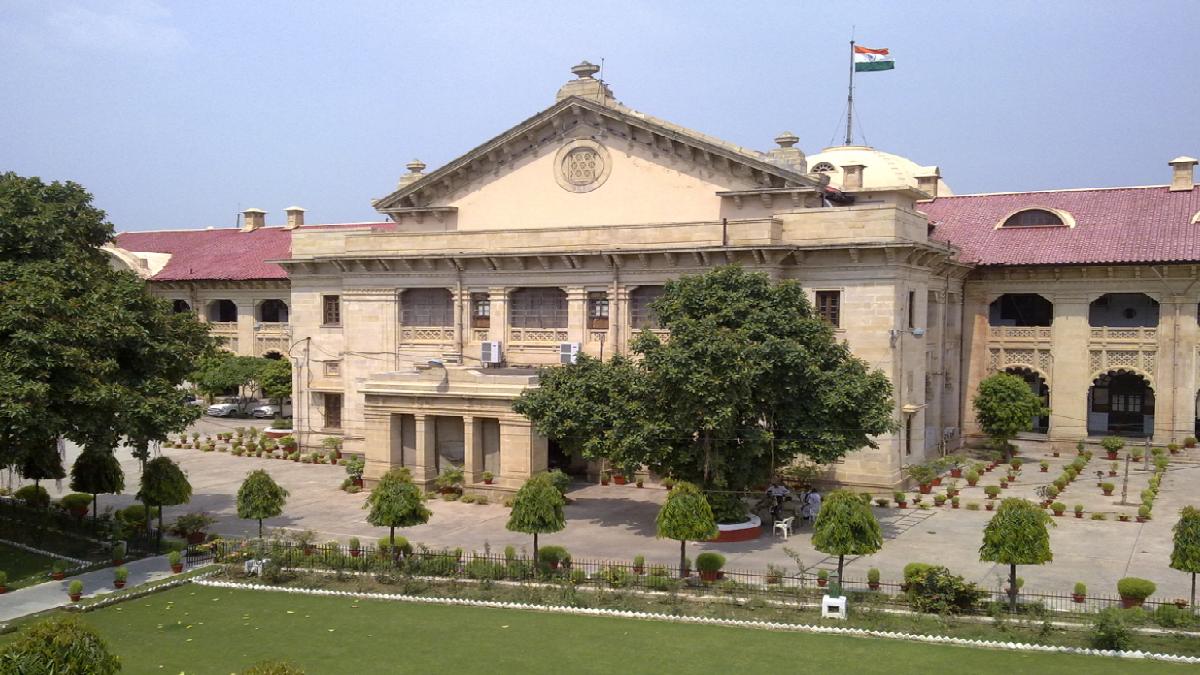
The Court For Divorce is Upon Impotence
On the other hand, incapacity to consummate a marriage, once a medical basis has been established, could also come into being as a relevant ground in law for divorce under matrimonial laws, the High Court added. The judges held that the repeated non-consummation of a marriage, compounded with confirmation of medical impotence are recognised factor in matrimonial litigation. Accordingly, the court held that bringing such a matter directly before a court or court of law was not itself automatically defamatory conduct.
The Focus Under Defamation Law
1. The judgment also underscored a crucial idea behind criminal defamation in India: Not every unpleasant or degrading comment amounts to defamation by law. Courts generally look into:
- Whether the statement was false.
- Whether or not it was made maliciously.
- Whether there was intent to damage the reputation.
- Whether it had been backed up with evidence or made in good faith.
In the High Court's view, the allegations were related to an actual marital dispute and substantiated by material evidence, which disarmed the husband’s defamation liability.
Legal Experts React
The ruling, according to legal observers, “ensures that courts must distinguish between malicious public accusations and statements made as part of a real legal dispute.” Experts say the ruling could be important in future matrimonial cases involving claims connected to medical conditions, potential marital incompatibility or non-consummation of marriage.
Concerns regarding false allegations without evidence can still see the legal profession brought to court, including defamation proceedings,” the legal profession says.
Wider Discourse on Appeals in Marriage
The judgment has revived arguments about the emotional and legal complexities of legal disputes over marriage in India. Family law matters often involve allegations that are deeply personal and involve courts’ inability to reconcile partners through compatibility, mental health, any medical conditions or intimate relationships.
This forces courts to strike a balance between privacy, dignity, and legal claims in cases like this one. It is further said that, as part of a legal course guided by the Allahabad High Court's judgment, evidence-backed accusations made in the process of seeking legal remedy cannot be automatically criminalised as defamation in the absence of malice by intent.