Andhra Pradesh is also reporting seven new cases of COVID-19, taking the state’s total number of active coronavirus cases to 26, according to health officials. The number of active cases is still relatively low but officials are focusing on monitoring and asking people to keep up with basic preventive measures to prevent the spread of the virus.
The fresh cases have driven the Health Department to closely monitor the situation, particularly in the districts where infections have been detected. Contact tracing and testing of patients with symptoms and regular monitoring of patients is carried out so that they can be treated promptly and prevent further transmission.
Most of the reported cases are mild or under observation and patients are treated properly according to established treatment plans, health officials said. Those with symptoms are advised to seek medical assistance and not to contact others until medical professionals are able to assess them.
Although COVID-19 is no longer considered the public health emergency it once was, experts maintain that the virus is still present and that there will be periodic increases in cases. Seasonal changes, increased travel and local transmission can explain how cases vary.
The Andhra Pradesh Health Department has assured the public that the state health system will be able to respond to any increase in infections. Hospitals and primary health centres are in place to keep track of the situation and laboratories are staffed to carry out COVID-19 testing when required.
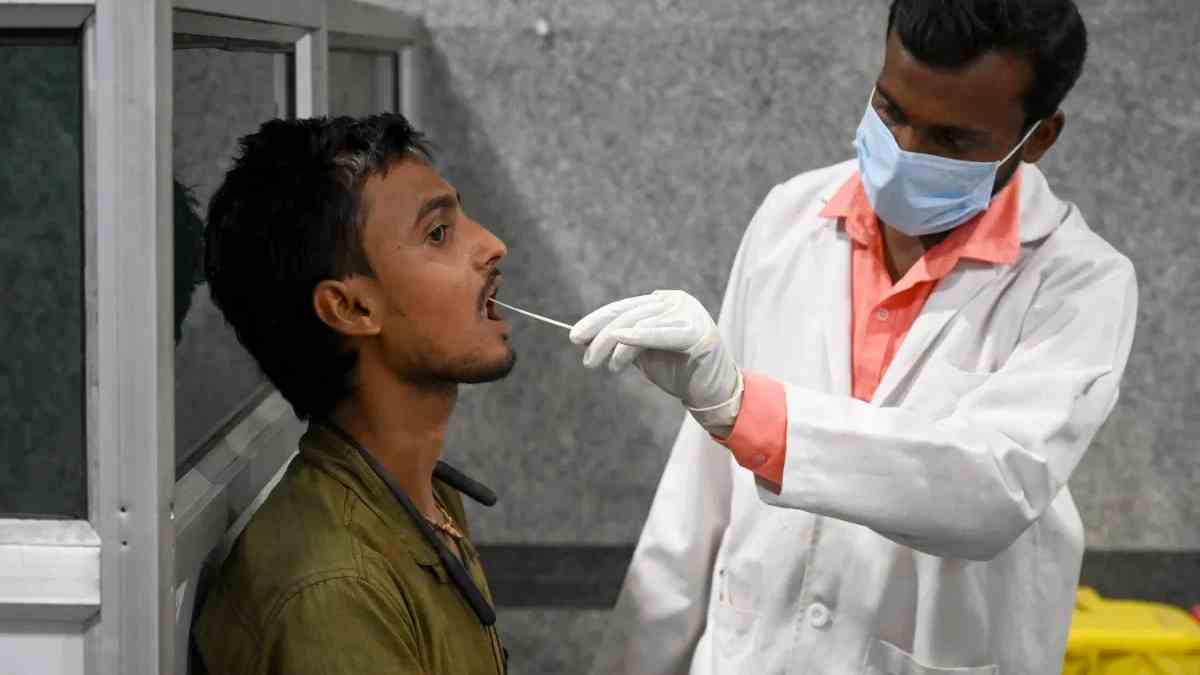
People who are older, pregnant women, and those with weakened immune systems or chronic medical conditions are encouraged to remain cautious, especially senior citizens, pregnant women and those with poor immune systems or other health problems. Symptoms such as fever, cough, sore throat, breathing difficulty, or unexplained fatigue should be treated seriously and individuals should see a doctor if no explanation is given to them.
Healthcare professionals continue to recommend simple preventive strategies that remain effective in reducing respiratory infections. Good hand hygiene, covering the mouth and nose while coughing or sneezing, staying at home if unwell, and wearing a mask in hospitals and/or in crowded medical situations or when advised by medical professionals are all important practices.
Public health professionals have also stressed the need to avoid misinformation about COVID-19. Such messages should be given to the public by official government health departments and recognized medical institutions rather than unverified social media posts, they say.
India has strengthened its disease surveillance systems after the pandemic and health authorities now have the ability to monitor new cases more effectively. Continuous genomic surveillance, lab testing and coordinated reporting help the public know where trends are now and respond quickly if they are to occur.
Healthcare professionals note vaccination is still a key factor in helping prevent severe illness. People with recommended COVID-19 vaccinations or booster doses should consult their healthcare provider regarding current epidemiological and vaccination guidance relevant to their region.
The report of seven new cases also serves as a reminder that COVID-19 has shifted into an illness of continued public health monitoring and not emergency-level restrictions in most cases. There have been no new restrictions issued by local authorities since the last few days, and normal public life is continuing in the state.
Officials are encouraging residents to remain responsible by practicing respiratory hygiene and seeking medical care when symptoms are discovered. Early diagnosis means proper treatment can be done and there won’t be a risk of transmission to the rest of the family and community if it happens.
The Health Department will continue to monitor case trends and update whenever required. Public health teams are still monitoring clusters, testing symptomatic individuals and supporting healthcare facilities that are serving COVID-19 patients.
Experts say case numbers fluctuate all the time and hospitalization rates, disease severity, and healthcare capacity are all part of a bigger picture. The small increase in reported cases does not necessarily mean that there is widespread community transmission but rather underscores the need for continued vigilance.
Residents have been advised not to panic but to be informed and follow official health advice. Responsible behavior, early medical consultation, and adherence to recommended preventive measures remain the best way to protect people and communities.
As Andhra Pradesh keeps monitoring the situation, health authorities have reaffirmed that preparedness, public cooperation, and timely medical response to COVID-19 remain key to keeping social and economic life normal without causing unnecessary disruption.