The Andhra Pradesh High Court has questioned the role of Visakhapatnam city police in civil disputes and directed the police and other authorities not to issue notices or summon people in connection with civil matters through the Pre-Litigation Counselling Forum (PLCF).
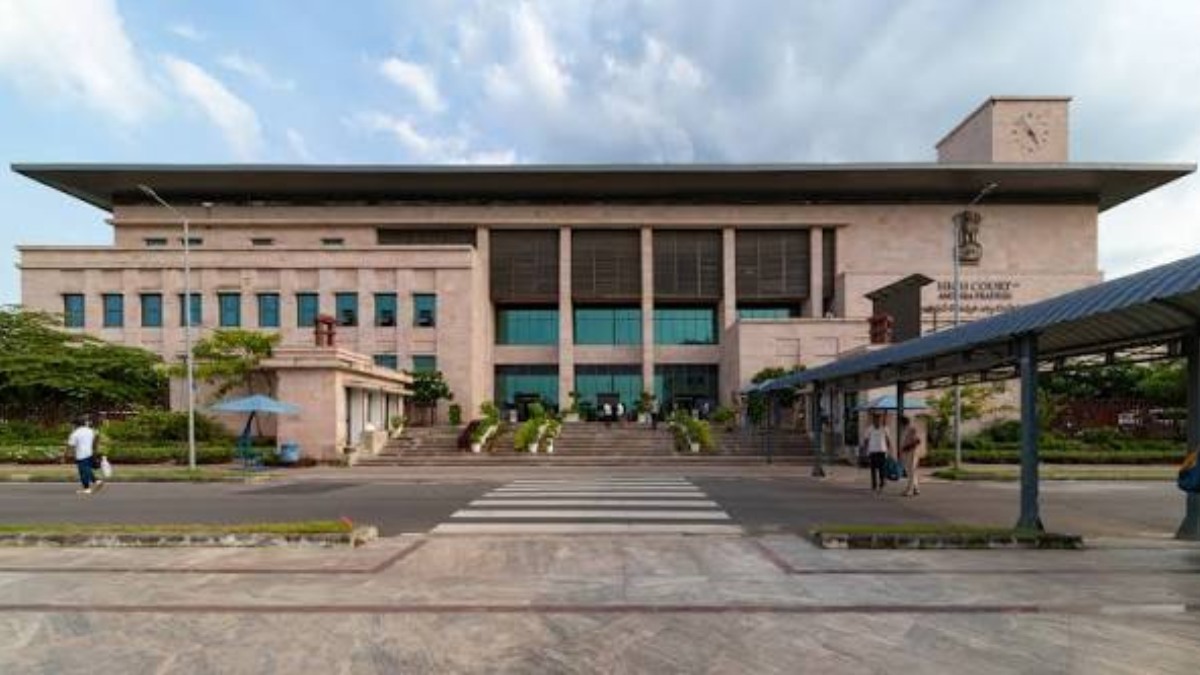
A division bench comprising Chief Justice Justice Lisa Gill and Justice Challa Gunaranjan heard the matter on Monday and expressed concern that police officials will get involved in disputes that are essentially civil in nature. Counseling in police uniforms can be intimidating for people before them, the court added.
The court wanted a comprehensive report on the legal basis for issuing notices through the PLCF, the rules under which the forum was functioning and the guidelines governing its constitution.
The hearing was adjourned for further hearing.
HC Questions police role in civil matters
The issue came before the High Court in a series of petitions filed by film producer Natti Kumar and businessman Manchukonda Ramakrishna. They said Visakhapatnam police intervened in civil disputes and kept calling them to police stations in the name of the PLCF.
A single judge, Justice Avadhanam Hari Haranatha Sarma, had examined the petitions and had raised questions about the jurisdiction, legality, powers and limitations of the forum.
The Registry was instructed by the Chief Justice to present the case records to it. The Chief Justice directed that the matter be taken up as a suo motu writ petition regarding alleged police intervention in civil disputes through the PLCF.
Ganta Rama Rao was appointed as amicus curiae to assist the court in the legal proceedings.
State government lawyers maintained that police were not intervening in civil disputes at Monday's hearing. Special Government Pleader Singamneni Pranathi said the PLCF had been in place since 2004 as a forum for amicable settlement of disputes. She wanted more time to submit complete details of the forum.
The amicus curiae has raised some issues with the PLCF
The amicus curiae was not in the same position before the bench.
The senior advocate Ganta Rama Rao argued that police authorities did not have the power to intervene in purely civil disputes. District Legal Services Authorities can also assist in settling such issues, he added.
He said a similar pre-litigation forum had been established by Vijayawada police earlier but was discontinued after the High Court objected to the practice.
According to the submissions made at the hearing, Visakhapatnam police had been issuing notices under the PLCF while citing Central Home Ministry guidelines.
The amicus curiae also brought to the court an instance where police had issued a PLCF notice in a matter that was already pending before the High Court.
The bench directed the Visakhapatnam police and authorities not to issue notices or summon individuals through the PLCF for civil disputes in the context of civil disputes.
Legal Authority in court; court’s request for clarity.
The high court’s intervention is based on the distinction between civil disputes and criminal matters.
A separate Andhra Pradesh High Court ruling from February 2026 had also said that police cannot interfere in purely civil disputes between citizens when no crime has been registered, but that police can act where there is a cognisable offence and lawful due process is followed.
The current proceedings do not represent a final decision on every issue with respect to the PLCF. The High Court has sought more information from the authorities before taking the forum into account in its legal basis, powers and functioning.
But for now, the interim direction prevents Visakhapatnam police from issuing notices or summoning people through the PLCF in case of civil disputes.
The case will be taken up again after the authorities provide the comprehensive report sought by the court.