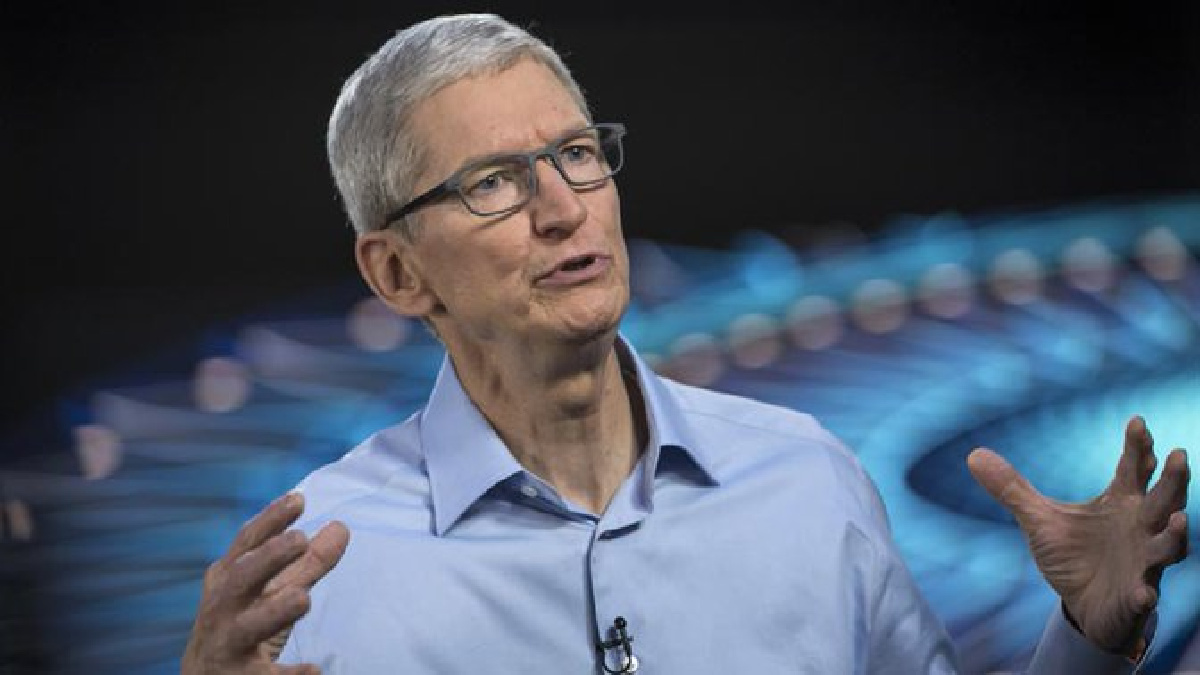
The proliferation of artificial intelligence is profoundly changing the world of technology, and it is also creating new challenges for big tech companies. Apple CEO Tim Cook has said that the rising cost of high-end semiconductor chips used for AI applications might eventually drive up the prices of Apple products (including iPhones, iPads, Macs, etc.) even more.
The demand for powerful AI-capable chips has soared in the past two years as companies rush to add artificial intelligence to their products and services. Apple, Microsoft, Google, Meta, and Amazon are spending billions on AI infrastructure as industry giants put pressure on semiconductor supply chains.
Cook said that the increasing competition for advanced chips is substantially increasing manufacturing and procurement costs. These specialised processors are the building block for complex AI models, powering on-device intelligence features and cloud-based AI services that are becoming central to modern consumer technology.
Apple has increasingly begun to push its AI ambitions with new projects like Apple Intelligence, which helps the development of generative AI capabilities for iPhones, iPads, and Mac computers. Such innovations require very sophisticated silicon chips to do machine learning effectively and maintain battery life and performance standards.
The semiconductor industry is undergoing a revolution as chipmakers are investing huge amounts of money into new fabrication facilities and new manufacturing facilities. But the huge capital investment required to build high-performance AI chips is a huge cost for the industry.
If chip prices continue to climb, technology companies will have to pass on some of those costs to customers, analysts have said. Apple has a premium pricing strategy and could adjust product prices to maintain profit margins while investing in AI research and development.
The AI boom has also driven up competition for manufacturing capacity in the world’s leading chip foundries. Advanced processors are now in competition for production technologies that cause much longer lead times and higher prices for high-performance chips.
So even as the price increases, Apple is still committed to delivering innovative products and developing its AI ecosystem. What is certain is that Apple is going to continue to invest in custom silicon development, a strategy that has helped differentiate its devices in terms of performance and energy efficiency.
Market experts say that consumers will see slow and gradual price hikes instead of a quick increase. Apple usually considers many things in product pricing: production costs, demand in the market, exchange rates, and competitive dynamics.
As artificial intelligence grows more and more embedded in everyday devices, the cost of implementing such technologies is likely to be a key factor for future product pricing in the technology industry. Apple and its competitors will struggle to balance innovation with affordability in the years to come, and how this will be a challenge for Apple, and thus for other companies in the industry, in the future will be one of the key questions.
Whether consumers will eventually pay higher prices will depend on how semiconductor costs evolve and how technology companies can manage the growing expenses associated with the AI revolution. We are all very aware that the global race to dominate artificial intelligence is already having a significant impact on the economics of consumer technology.