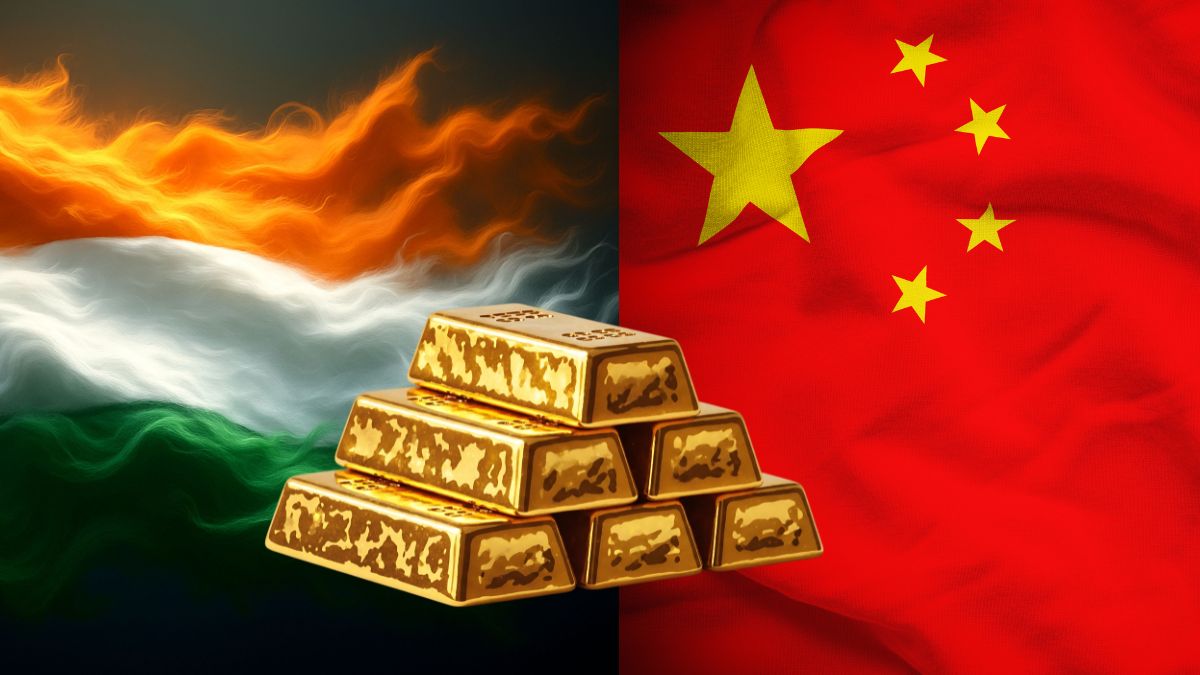
The Communist Party of India (Marxist) has taken the newly emerged interim trade arrangement between India and the United States to task, making clear that the agreements reached between the two countries represent “serious threats” to the domestic economy, particularly agriculture. The party has urged the Union government to introduce the full text of the treaty in Parliament, and guarantee a broader public debate before advancing.
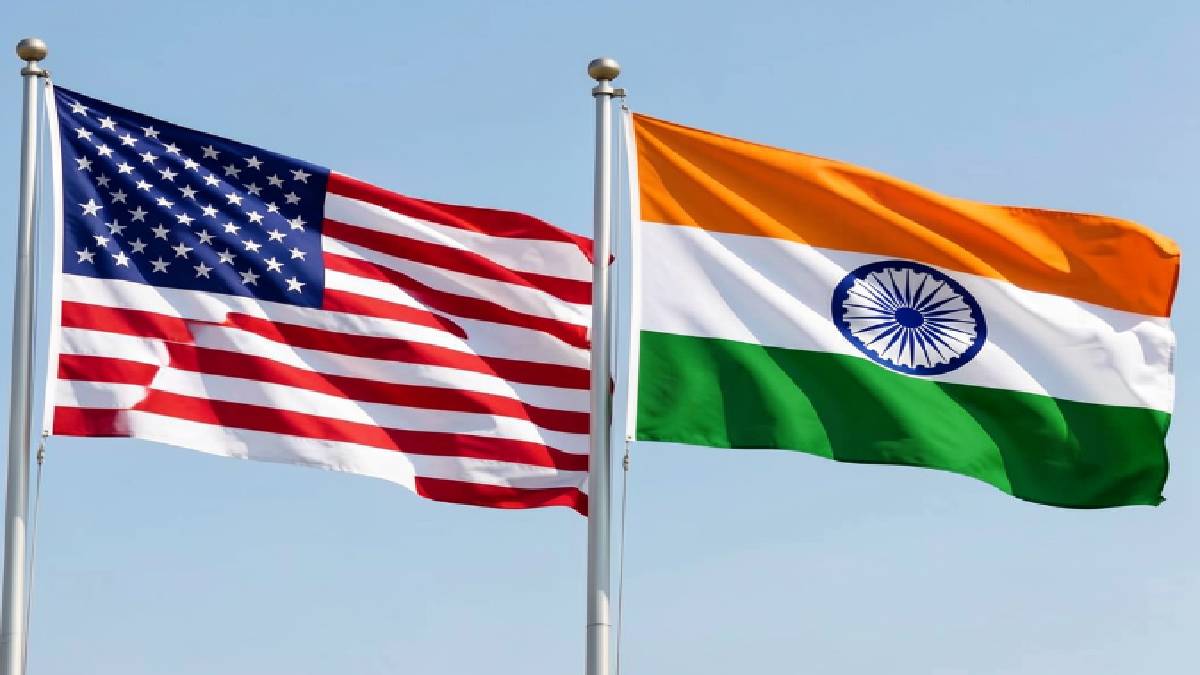
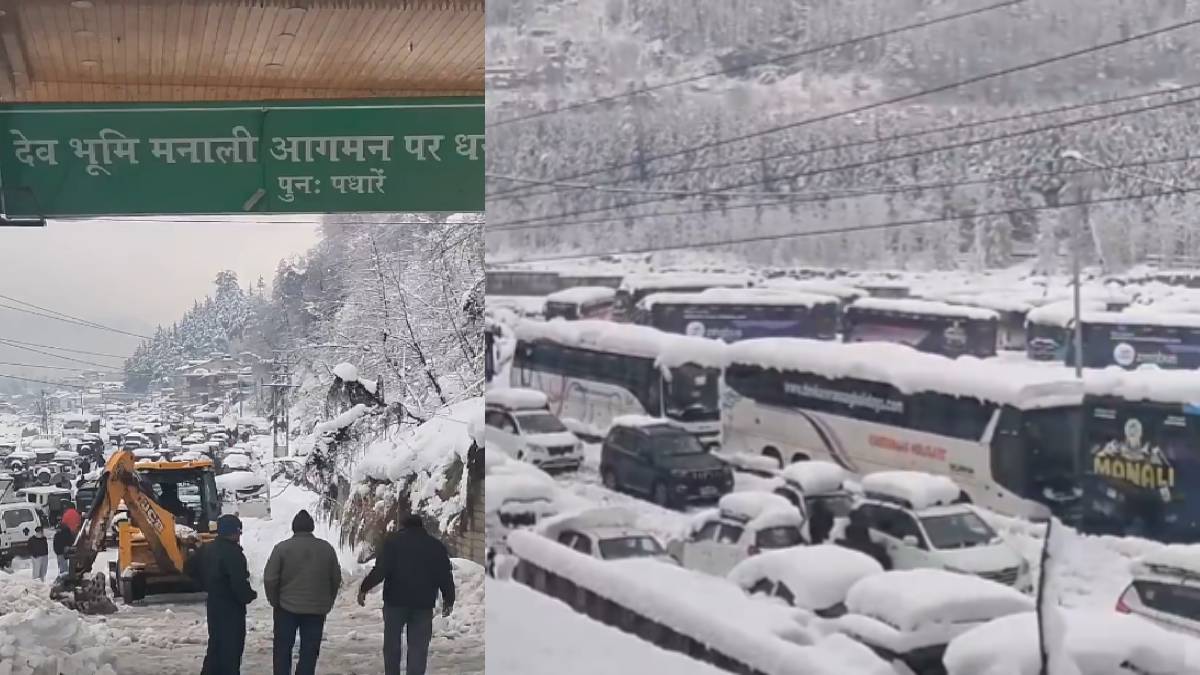
Citing the statement, the CPI(M) claimed that tariff loosening and market access commitments for American farm products could leave Indian cultivators vulnerable to unlevel competition from heavily backed U.S. agriculture. Farmers in numerous areas, particularly apple-growing states like Himachal Pradesh and Jammu & Kashmir, have suffered from price stress from greater import liberalisation, the party said, noting that deeper concessions could exacerbate rural distress.
The Left party also highlighted concerns about the potential dilution of the non-tariff safeguards and procurement protections that currently offer a portion of insulation to small and marginal farmers. Cheaper imports of things like fruits, edible oils and feed products could push mandi prices lower and weaken the feasibility of domestic practices of production, it said.
The criticism of the trade deal does not end with the CPI(M). Sections of farmer unions have called the arrangement too favorable to Washington and called for the government to publish a white paper listing the benefits of trade and what India would receive in return. Opposition leaders also have asked whether during talks the interests of agriculture and related sectors were sufficiently represented in such a trade deal.
The government, however, has countered against those allegations. Senior officials argue that, while dairy and several key staples the most sensitive sectors do remain protected, the pact will create a new environment for Indian exporters of labor-intensive industries. Supporters claim that with better access to the U.S. market, textiles, engineering goods and processed food segments in the country that could create jobs and increased foreign exchange earnings can become even bigger.
While political responses deepen, the new debate serves to underscore something of a longstanding tension in trade policy: the need to embrace global integration alongside protection of vulnerable domestic producers. With agriculture and rural work at the heart of our politics at home, the India-U.S. trade engagement which will likely go under a new eye in the weeks to come.