Air travel in India could become more expensive in the coming weeks as Aviation Turbine Fuel (ATF), one of the biggest cost components for airlines, has seen another price increase.

The recent increase in fuel rates comes as airlines are preparing for a surge in passenger demand during the upcoming festive season. The rise in fuel costs may eventually manifest itself in ticket prices, especially in its most demanding routes, industry experts said.
ATF accounts for a significant portion of an airline's operating expenses. In many cases, fuel costs account for nearly 40 per cent of operational expenditure and can rise even further during market volatility. Hence, the increase in ATF price affects airline profitability and plans for operations. Airlines are often not able to absorb such increases, especially when demand is strong, and profit margins are already low.
The latest fuel price revision reflects the general rise in aviation fuel prices in India. State-owned oil marketing companies have had to adjust ATF prices according to global crude oil trends, exchange rates, and market conditions for years now. Although the government has introduced a fuel price stabilisation scheme to make fuel more predictable for the aviation sector, the overall cost burden is still very high for airlines. With the stabilisation program introduced earlier this year, domestic airlines can access fuel at a fixed rate, but the overall cost burden stays high.
The biggest concern for passengers is whether airlines will pass on the additional fuel costs through higher fares. Aviation analysts say that while airlines may at first try to absorb at least some of the increase, if the fuel cost remains elevated at an airline level for the longer term, they generally have to raise fares. That is especially true during peak travel times, when demand is naturally high. With Navratri, Dussehra, Diwali, and the year-end holidays coming up, airlines will expect to have high bookings, and so fare hikes are more likely.
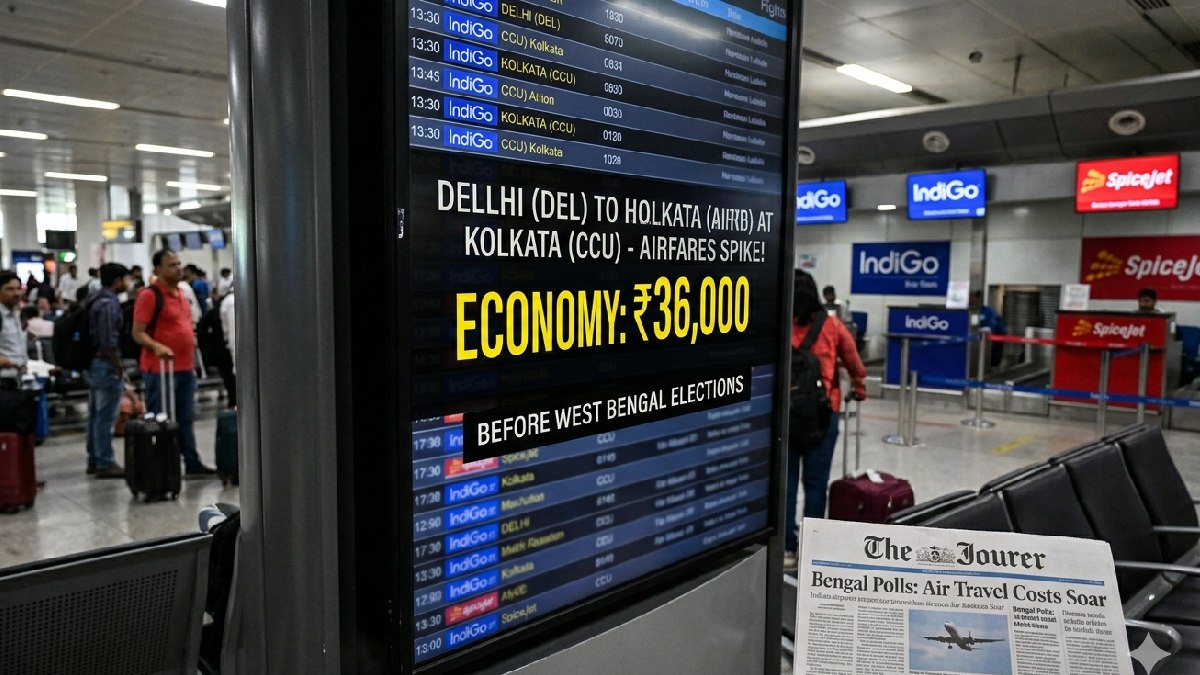
The impact may be more pronounced on the busy domestic routes connecting major cities such as Delhi, Mumbai, Bengaluru, Hyderabad, Chennai, and Kolkata. Historically, airfare increases have occurred with rising fuel costs and strong seasonal demand. Even modest increases in ATF prices can lead to higher ticket prices when added to capacity constraints and growing passenger traffic.
Airlines also have other operational problems, such as aircraft maintenance costs, airport charges, and stiff competition. Airlines continue to offer promotional fares and discounts to attract customers, but the high fuel costs may curb their ability to keep prices low for the long term. Airlines might have to adjust fares incrementally, not in a big bang.
Travel experts suggest that passengers who are planning festive travel should book tickets months in advance. Early bookings usually help passengers secure lower fares before demand peaks and airlines redesign their pricing. The price of fuel is still the main driver of airline economics, and this new ATF hike will keep airfare trends closely watched in the coming months.