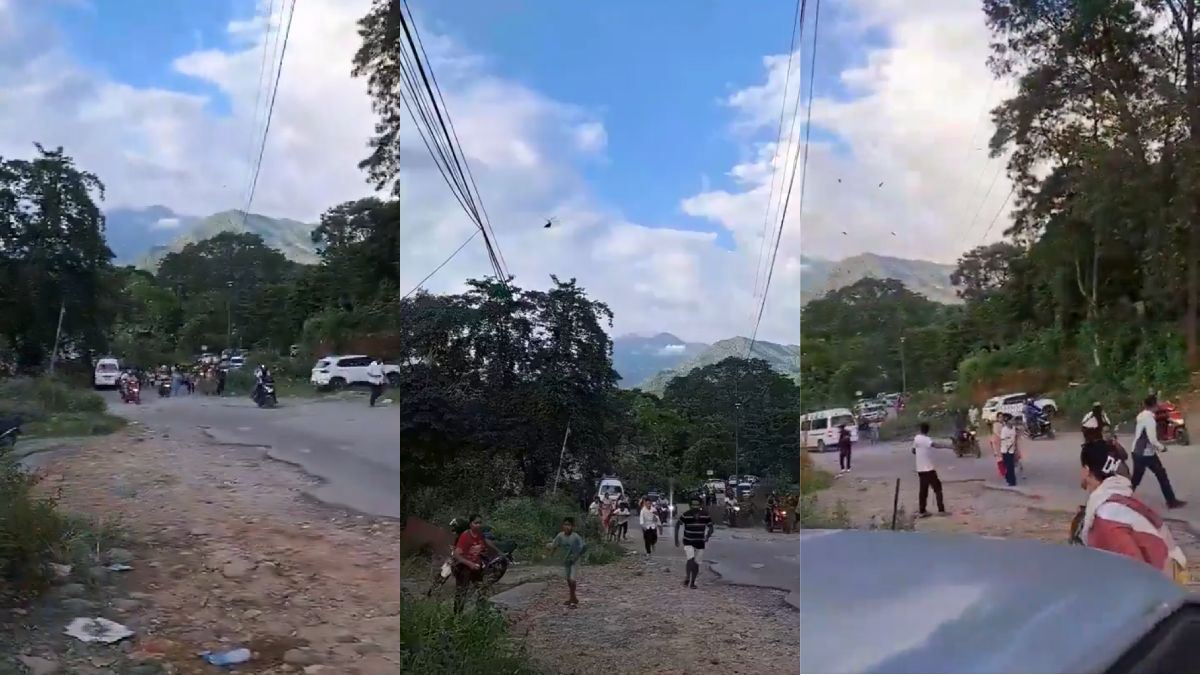
More than 11,000 people have been rescued from flood-prone areas in Nepal after the country has been struck by devastating flash floods that have left thousands dead and thousands have escaped from so much damage in areas hit by extreme flooding.
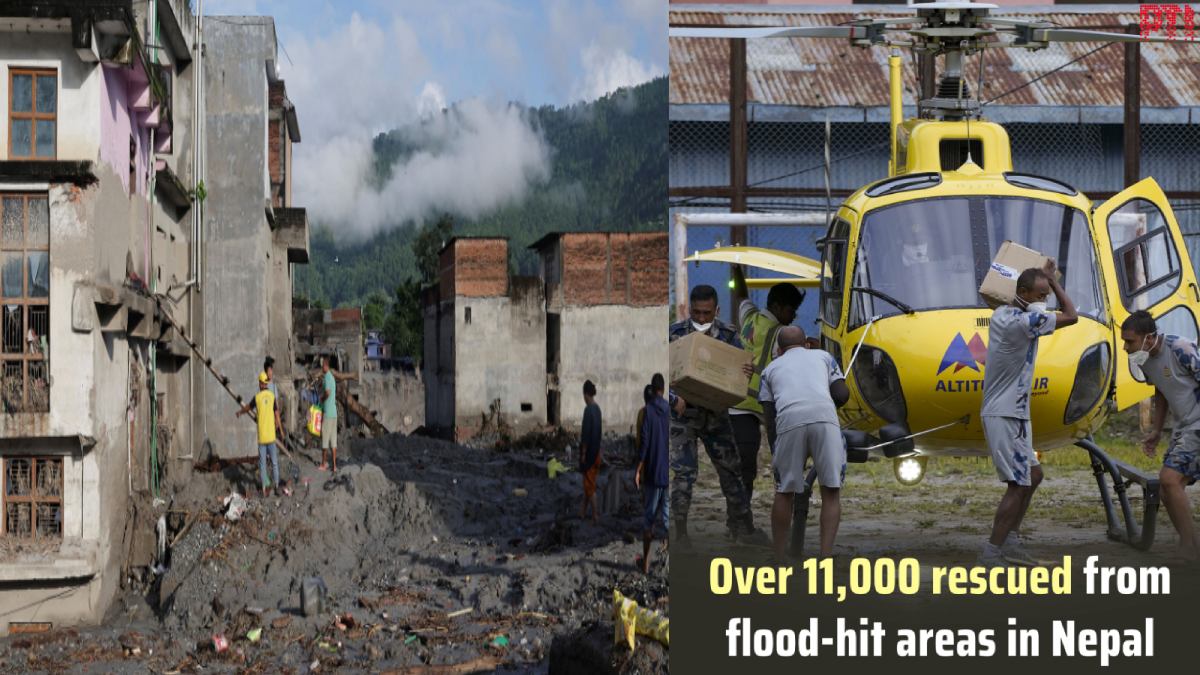
A number of people have been rescued from flooded areas in some of the worst-hit areas and hundreds have been left homeless and thousands of people are still unaccounted for, and the Nepalese government has sent out the first troops to help with search and rescue and relief.
According to Nepal’s National Disaster Risk Reduction and Management Authority (NDRRMA), 11,379 people who were affected by the floods had been rescued, while 939 bodies had been recovered. There were still around 4,200 people unaccounted for, highlighting the huge scale of the search and rescue operation. Casualties and missing persons numbers may be different as teams work more directly in remote areas and verify information, officials said.
The devastating floods have affected several districts, including Rasuwa, Nuwakot, Dhading, Gorkha, Nawalparasi East, Nawalparasi West, Tanahun and Chitwan, among others. Roads, bridges and other infrastructure have been damaged or destroyed, making it challenging for rescue teams to reach isolated communities. The destruction has also made it difficult to find people who are still missing.
The Nepal government has mobilized thousands of personnel from the Nepal Army, Nepal Police and Armed Police Force Nepal for the rescue operation. Radio Nepal reported that 8,791 Nepal Army personnel, 7,909 Nepal Police personnel and 4,203 Armed Police Force personnel are deployed in affected areas with a total of over 20,900 personnel in that count. Other official reports have given the mobilisation figure as more than 22,000 as operations expanded.

Helicopters have been instrumental in the evacuation of people from areas where they can't easily get by using roads. Aircraft have also been used to transport emergency supplies and support search operations. 16 helicopters had been activated and hundreds of sorties had been conducted to reach stranded residents and tourists, said officials in previous briefings.
A particularly difficult part of the rescue effort is workers and other people who are believed to be locked in tunnels at hydropower sites. Nepal's growing hydropower sector has a number of projects in mountainous areas, with access to them becoming much harder at this time of floods, landslides and infrastructure damage.
International experts have been working with authorities to help them with tunnel rescue. Experts from India, China and other countries have been involved in the efforts to reach the trapped people in very difficult places. Specialised tunnel rescue teams are needed, along with equipment and expertise to work in damaged underground structures.
The Upper Trishuli 1 Hydropower Project is one of the key places in the rescue effort. It also had workers and technicians at hydropower facilities who were affected, with rescue teams combing tunnels and other project areas. Nepalese security agencies and international experts were involved in the rescue.
The floods have also had a serious impact on transportation and communication infrastructure. Several roads and bridges were damaged or destroyed, limiting access to affected communities and slowing the movement of relief supplies. Restoring transportation links is therefore an important step in the overall response and could allow rescue teams, medical workers and relief agencies to reach people who are isolated.
The disaster has also affected foreign tourists who are visiting Nepal. Nepali citizens and foreign nationals are being included in the rescue and relief effort, the government of Nepal has been saying.
As the rescue operation continues, officials have advised the public and media to rely on verified information. Nepal’s Ministry of Foreign Affairs has specifically warned of unconfirmed reports because casualty and missing-person figures keep changing as search and verification operations progress.
STORY | Over 11,000 rescued from flood-hit areas in Nepal
— Press Trust of India (@PTI_News) September 1, 2026
More than 11,000 people have been rescued from flood-affected areas in Nepal so far, with over 22,000 security personnel mobilised for search and rescue operations, officials said on Tuesday.
As of Monday, the death toll… pic.twitter.com/rDJIHHAmj1
The immediate concern is to save lives, locate missing people, and provide emergency assistance for survivors. The search and rescue phase will be much easier once the infrastructure is rebuilt, essential services are restored and communities who have lost their homes and livelihoods are supported.
The magnitude of Nepal’s flood disaster has put significant pressure on the country’s emergency-response system, but the rescue of more than 11,000 people shows the extent of the effort going on across the affected areas. Thousands of security personnel are at work, helicopter operations are ongoing, international experts are helping out with complex rescues, and efforts continue to reach those still missing while providing relief to communities affected by one of Nepal’s most devastating natural disasters.