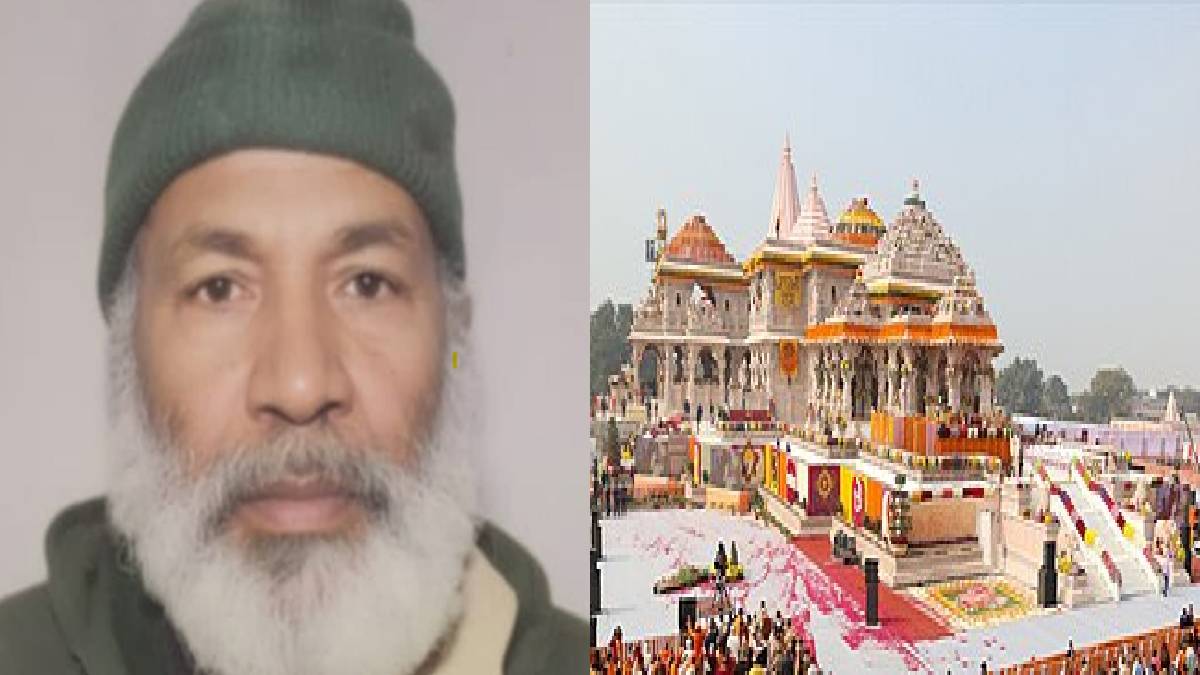
Within no time the Ram Mandir of Ayodhya has attracted a global tourism and religious audience. The temple has seen over 50 crore visitors in two years since its inauguration in January 2024. So, this extraordinary footfall reflects the deep spiritual significance of the temple and shows how faith, culture and modern infrastructure, as a whole, has created a global landmark. Beyond devotion, the temple has also reshaped India’s religious tourism and given a massive boost to the economy.
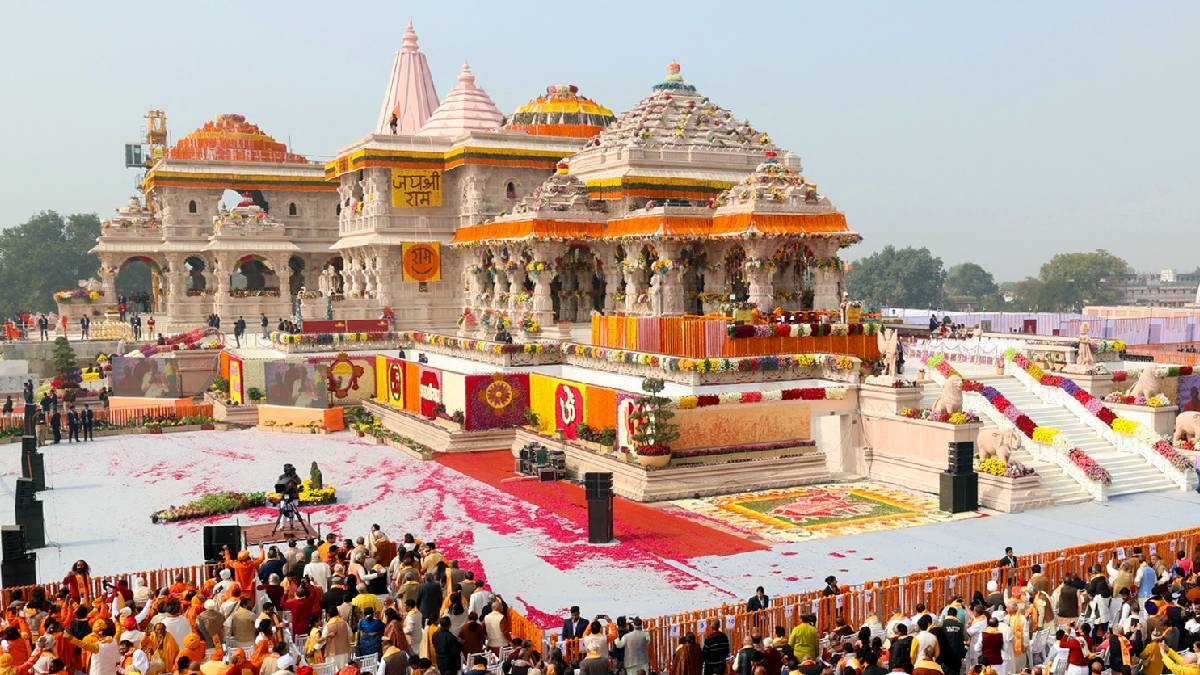
The consecration of the Ram Mandir in January 2024 was a monumental moment for millions of devotees. The temple, which the Government has constructed in Ayodhya, India city which has long been a Lord Ram’s representative, soon becomes a symbol of religion and patriotism. Within two years, it has proven as the most visited religious spot in the world, with more visitors than all other international sites of religious pilgrimage. The sheer number of guests--more than 50 crore--are testament to the unparalleled attraction of the temple. Both in India and abroad, travelers have flocked to Ayodhya for a splendid demonstration of the temple or to perform prayers.
The Ram Mandir, for the worshipers, is not only the place of worship, but also the sacred site which links them with centuries-old traditions into one. The temple, in essence, represents the values of faith, strength and moral principle associated with Lord Ram. The pilgrims often write, “The experience was very emotional and spiritual. Not only is the temple a temple, but it's also a temple with a spiritual dimension to it. Constructed with elaborate carvings and historical styles, it embodies India’s cultural wealth, for the moment. The temple is seen as a spiritual and cultural treasure.
Ayodhya has developed into one of the world’s busiest pilgrimage centres. The flood of visitors has profoundly transformed the city’s tourism landscape. Hotels, restaurants, transport services and even local businesses have seen rapid growth. They also invested in improved infrastructure (roads, railways and airports) to cater to an increasing number of travelers. As a result of this change, Ayodhya has transformed into not only a religious site but a tourist destination, allowing people to access culture, history and spirit with one another.
Visitors pouring in has been an economic jolt. It is estimated that the temple has added approximately $4 billion to the local and national economy in a matter of two years. It includes expenses associated with travel, meals, accommodation, shopping and services. Localities owe it to the people. Many small businesses, artisans and service providers have found new opportunities. The temple has brought employment and increased households’ income to thousands at Ayodhya and in and around the state.

The Ram Mandir’s emergence demonstrates how faith and culture can become a turning point in a culture around the world. This is not just a religious place to explore a new vision, it is an illustration of India to fuse old and new systems of infrastructure. Foreign tourists seeking expertise in the study of Ayodhya are particularly eager in this context since this temple has caught their eyes and they have turned Ayodhya into a global city. Its success also brings to light the value of planning and infrastructure in the support of religious tourism. And by constructing facilities for millions of pilgrims, Ayodhya has created a model to the rest of the world.
There are lessons from the Ram Mandir tale and they are significant. It proves that fervent love and tradition can propel tourism and commerce. “It also shows that if faith is blended with strong infrastructure, you can also realize experiences which can draw people from all over the world. But to India the temple is a site of honor and pride. It is a monument representing the spiritual vitality and cultural diversity of the country as well as an evolution.
Ayodhya’s Ram Mandir, on the other hand, not only has evolved into a temple, but also a global religious and cultural icon and tourist attraction. Riding more than 50 crore visitors in a two year period, it shaped India’s religious tourism and added billions to the nation’s economy. The temple is a representation of dedication, resilience, and spiritual heritage that leads to a pathway of growth. As the city of Ayodhya continues to pull hundreds of millions of followers in, and tourists to the city to travel from, the Ram Mandir will continue to be an example of faith and culture acting as a unifying element among a people who are capable of constructing history.