The BBMP, Bengaluru’s civic authority, in its quest to root out property tax defaulters, Bruhat Bengaluru Mahanagara Palike found a staggering ₹688 crore of property tax evasion with the collection of real estate taxes at the city level. To aid them in detecting violations of property declarations, the BBMP‘s achievement was largely related to the innovative deployment of drones and Geographic Positioning System (GPS) mapping for detecting inconsistencies in property declarations.

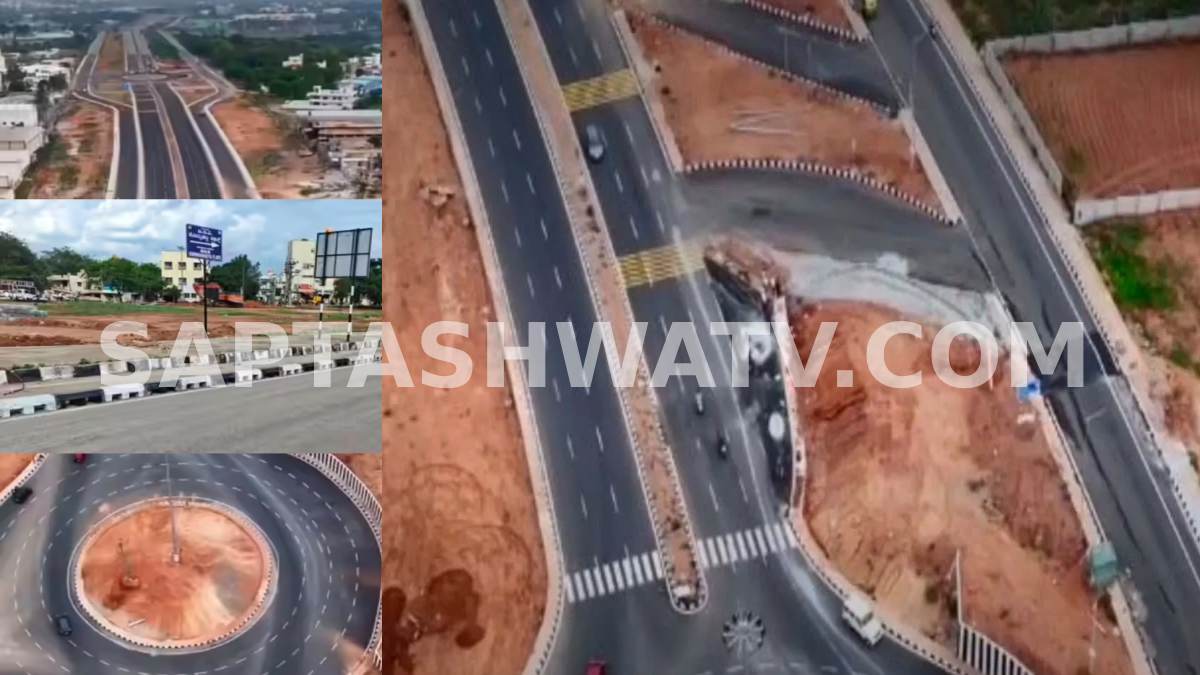
The BBMP’s expanded surveillance program has also targeted properties across the city suspected of under-assessment or non-payment of property taxes. The civic body used drones and carried out comprehensive aerial surveys, including high-resolution imagery and fine-grained data on thousands of sites.
The information was cross-referenced with previous property tax records, confirmed using GPS data to find exact locations, and verified reported property size and use. That advanced mapping later showed it discovered various instances where property owners either gave wrong measurements of the size of their buildings or labelled residential use for commercial ones, or totally did not keep track of extensions and additional floors.
The differences were among the major reasons for the gaping hole in tax revenues that has subsequently come to light. “In short, this will alter the game for our mission of equitable tax collection,” said a senior BBMP official. “Drones and GPS have been integrated here with precision and control unlike anything before, which is making it nearly impossible for the delinquents to circumvent their obligations.
We are committed to harnessing technology across the government in ways that promote transparency and enhance civic service delivery.” That huge figure should have made its way into the report is yet another reminder of how property tax evasion continues to be a problem in burgeoning cities like Bengaluru.

Over the years BBMP has floundered with an inefficient, antiquated manual verification system, which was so vulnerable to human error that it could not scale effectively across a vast and complex property market like Bengaluru. The technology-driven transformation signals a transition in approach to enforcement, and in the future of enforcement, an opportunity for a much more powerful and more impactful enforcement tool.
BBMP has set out proceedings to reclaim the unpaid taxes in law and they will also issue notices for owners of properties identified via drone surveys. This kind of settlement will raise the income of the civic body, but to the potential defaulters, such findings not only increase the burden of non-compliance but also the implications.
The recovered revenue will cover essential urban infrastructure, key city facilities, public amenities and improve the quality of life citizens in Bengaluru live in. Such a model may be able to be successfully established in other Indian cities going through such issues and can provide an example of the technology lever in automation of governance and revenue collection. The BBMP is at the forefront of the pursuit of a more transparent and effective urban leadership process with a readiness for modernization.