A fresh political spat has erupted in the Congress after party secretary K.C. Venugopal warned senior Congress MP Shashi Tharoor and other party leaders not to make statements that would help (or appease) the BJP. This comes at a time when the Congress is still talking about Tharoor's recent comments on political developments and Congress’s approach to the ruling party.
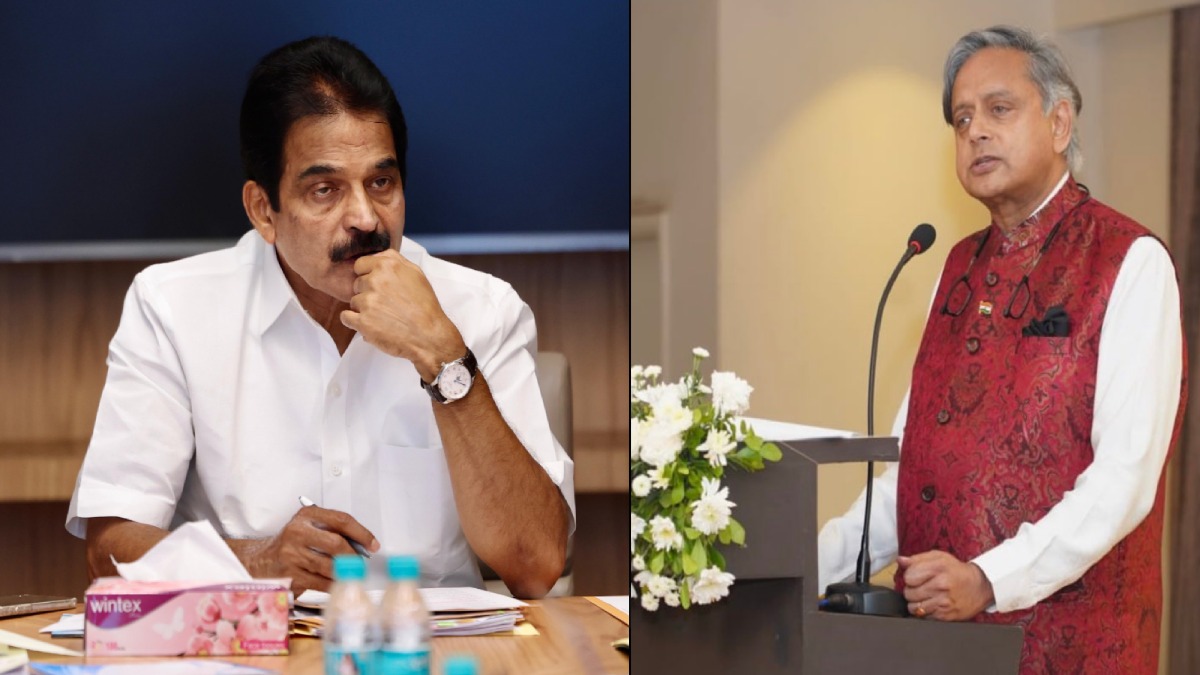
Notwithstanding his comments, Venugopal's remarks have also revealed a debate in the Congress about how it should speak in public and whether what it says is favourable to the BJP. The Congress General Secretary told party leaders to tread carefully and be disciplined in public in commenting on sensitive issues.
The development follows comments by Tharoor about the Chief Justice of India that were perceived by some in the Congress as potentially beneficial to the BJP. Tharoor has drawn criticism from sections of his own party for comments that appeared to be in opposition to the Congress position on the Narendra Modi government.
Tharoor, who is a Congress parliamentarian from Kerala, has said that his positions on some issues are not immediately interpreted as support for the BJP. He says some of his comments are “pro-government” or “pro-India” and not “pro-BJP.”
So the latest dispute is emblematic of a larger challenge for opposition parties to reconcile internal politics with the freedom of individual leaders to express their views. Tharoor has often adopted positions that differentiate between political criticism and matters where he believes national interests should take precedence.
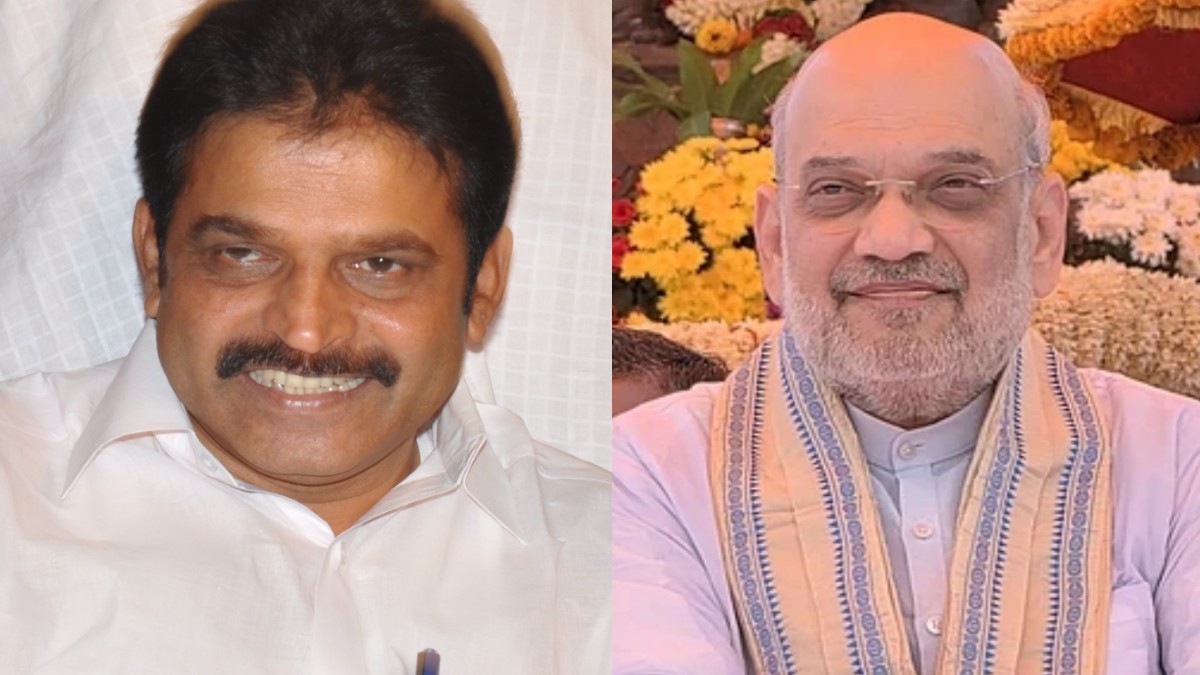
The BJP leaders and supporters have occasionally been rewarded by his comments, and his comments raised some doubts among Congress officials about the damage to the opposition narrative. The BJP has also noted Tharoor’s comments earlier in the year on the way the government handled the Iran-related crisis, but Tharoor said that his position was a reflection of India’s national interest, not of the BJP’s.
The latest warning comes at a politically sensitive moment for the Congress. And the party’s messages on education, unemployment, governance, and public accountability are all in need of improvement. So it is important to the party leaders that they do not break into different fields for their opposition to be seen as an opposition.
The issue has also revived the debate about Tharoor's relationship with the Congress leadership. In January, Tharoor met Congress leaders Rahul Gandhi and Mallikarjun Kharge because of his position in the party. Tharoor said these issues had been addressed and Congress leaders were moving forward together.
But his independent public positions continue to draw attention. Tharoor is well known for explaining his own views, at times that are contrary to the political messaging of his party. For his supporters, this is independent thinking; for others, however, it is something that Congress members think can create confusion as to the party's position.
Venugopal’s comments only reinforce the importance that the Congress leadership places on coordinated communication. Political parties often want to ensure that senior leaders do not make statements that can be selectively used by opponents during intense political debates. To the Congress, it is more important than ever to avoid internal contradictions as it wants to take on the BJP on a number of national issues.
At the same time, the episode also shows the complexity of political communication in the social media age. Statements by prominent politicians are quickly spread, cut, and rewritten from one political point of view to another. A comment made in one context can be part of a larger political narrative.
The issue is therefore unlikely to be limited to a spat between two Congress leaders. It touches on larger questions about party discipline, individual political expression, and the Congress’s strategy to confront the BJP.
For now, Venugopal’s warning has brought the attention back to Tharoor and his future public statements. Will the latest episode lead to more internal arguments or fade away as another political dispute erupts?
What is clear is that the Congress leadership wants its leaders to be more careful in making comments that could be interpreted as favourable to the BJP. At the same time, Tharoor's previous comments imply he will continue to distinguish between supporting a government on specific national-interest issues and endorsing the BJP politically.