A stunning wildlife incident has raised the alarm for residents and visitors after two wild bears were seen roaming inside the prestigious Prestige Golfshire Resort near Devanahalli in Karnataka’s Bengaluru Rural district. The movement of the animals, recorded on CCTV cameras, has led to safety concerns for resort guests, nearby villagers, and farmers in that area.
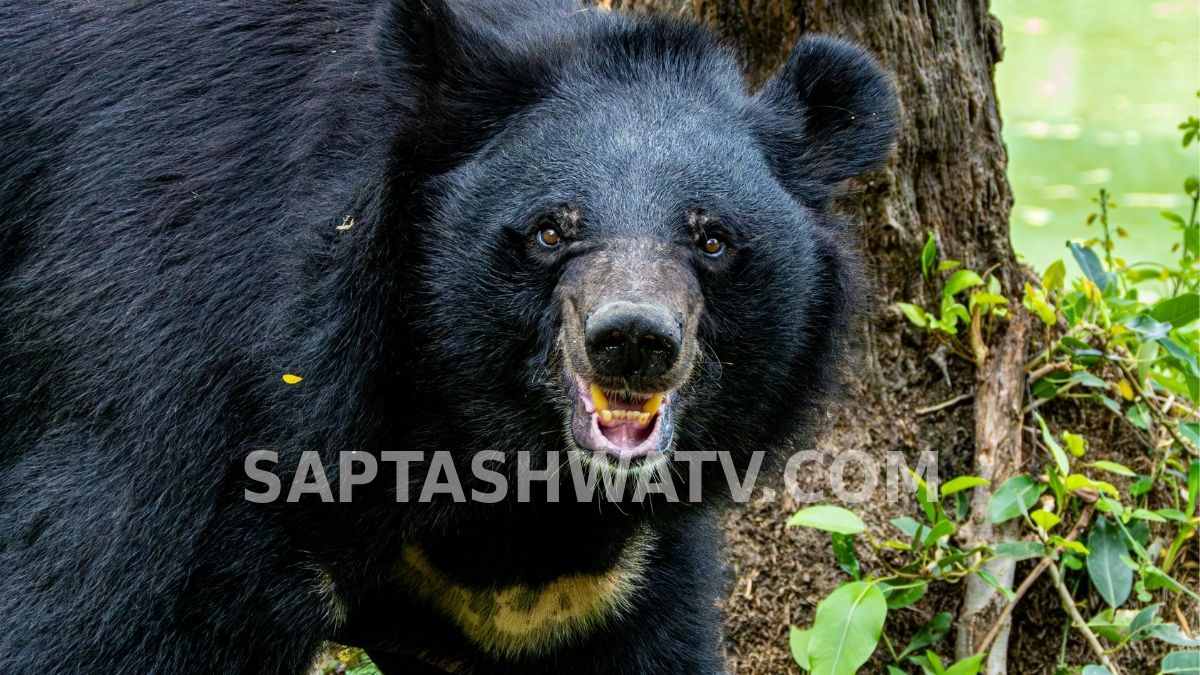
The incident took place at the luxury resort near Kodagurki village on a route leading to the internationally renowned Nandi Hills. The resort, which has a golf course and luxury hospitality, is well known amongst tourists, business leaders, and high-profile visitors. The unexpected appearance of two large bears inside the property has been a surprise.
CCTV Captures the Bears
According to resort officials, security personnel monitoring CCTV cameras found two large bears entering the building in the late-night or early-morning hours. The animals were seen moving around the resort’s shuttle court and surrounding open areas without feeling any fear, they said.
The CCTV footage reportedly shows:
- Two bears are entering the resort together.
- The animals are calmly roaming around the sports and golf course areas.
- Their unusually large size— so much so that if guests or workers were directly involved in their encounter with them, they may have been seriously injured or killed.
Fortunately, no injuries or damage were reported during the incident.
Authorities Alerted
After catching the animals on surveillance cameras, the resort management immediately notified the Vishwanathapura Police and the Forest Department.
Officials visited the site to assess the area and assess the situation. Residents and resort workers were advised to remain alert, especially in the early morning and late evening when wild animals are more active.
The Forest Department is monitoring wildlife movements in the area and has urged people not to approach or provoke any wild animals if seen.
Why did the Bears enter the Resort?
The bears may have wandered into the resort in search of food or water, wildlife experts believe.
The Devanahalli-Nandi Hills region borders rocky hills, forest patches, and natural wildlife habitats that are home to bears, leopards, and several other wild species. Increasing human development, expanding residential projects, and shrinking forest habitats are thought to have contributed to more frequent human-wildlife encounters.
When food is scarce or during dry weather, bears tend to move closer to agricultural fields, villages, and landscaped properties where water sources and vegetation are available.
The lush green surroundings and open spaces inside the Golfshire Resort may have attracted the animals.
Villagers Express Concern
The incident has increased the anxiety of residents of Kodagurki and nearby villages, particularly among farmers who depend on farming and horticulture for their income.
Farmers cultivating grapes, vegetables, and sericulture crops say they are reluctant to visit their fields alone, especially at dawn and dusk.
Parents are also worried about the safety of school-going children, while elderly residents who graze livestock in nearby fields have become increasingly cautious.
After watching the CCTV footage, many farmers said that many people were afraid to venture into their farms and urged the Forest Department to carefully capture and relocate the animals back into their natural habitat.
Safety Advisory Issued
The public should be aware of precautions as they approach forests, the government has said, and take basic precautions.
Avoid visiting isolated fields or forest-edge areas alone. Travel in groups whenever possible. Ensure adequate lighting around homes and farms during the night. Carry a torch while moving outdoors after dark. Make noise while walking in areas where wildlife may be present. If a bear is seen, do not panic, run away, or throw stones at the bear. Immediately inform the Forest Department or local authorities.
The incident serves as another reminder of the increasingly interlinked human-wildlife relationship around fast-growing areas near forest habitats. Public safety is, of course, a top priority, but wildlife conservation and preserving natural habitats are equally important to avoid such encounters in the future, according to experts.