Karnataka Government unveiled a long-term vision for the development of Bengaluru Metropolitan Region (BMR), outlining major infrastructure, housing, industrial and transportation projects that will make the region a world economic powerhouse by 2037.
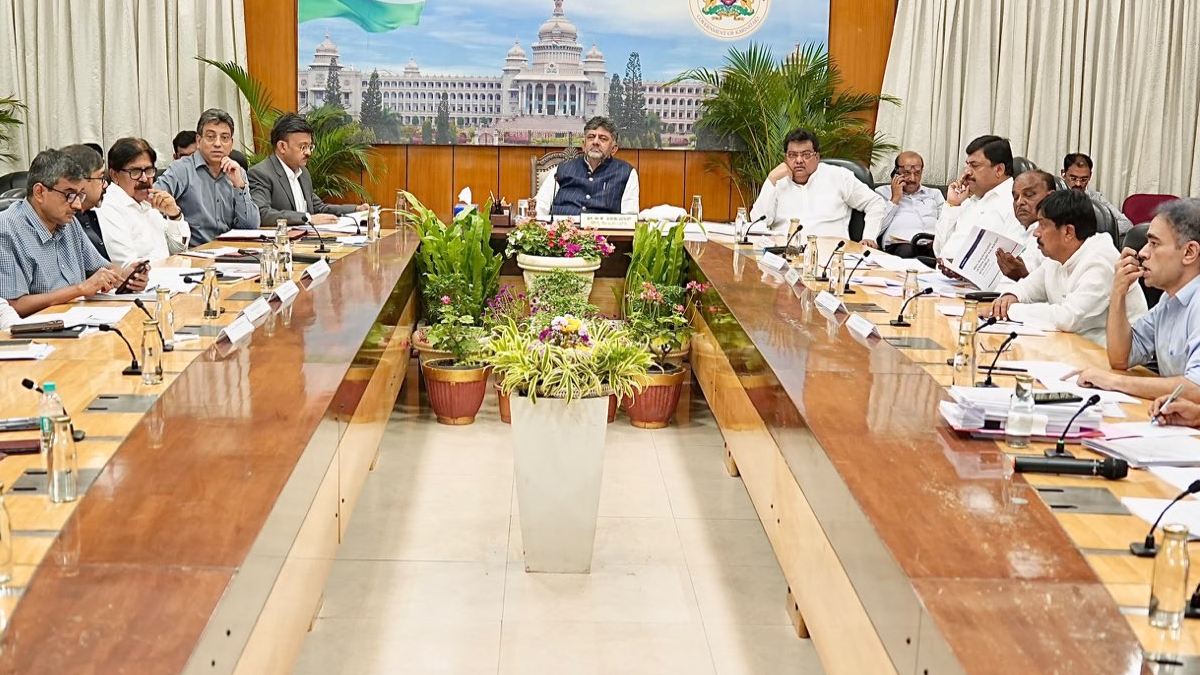
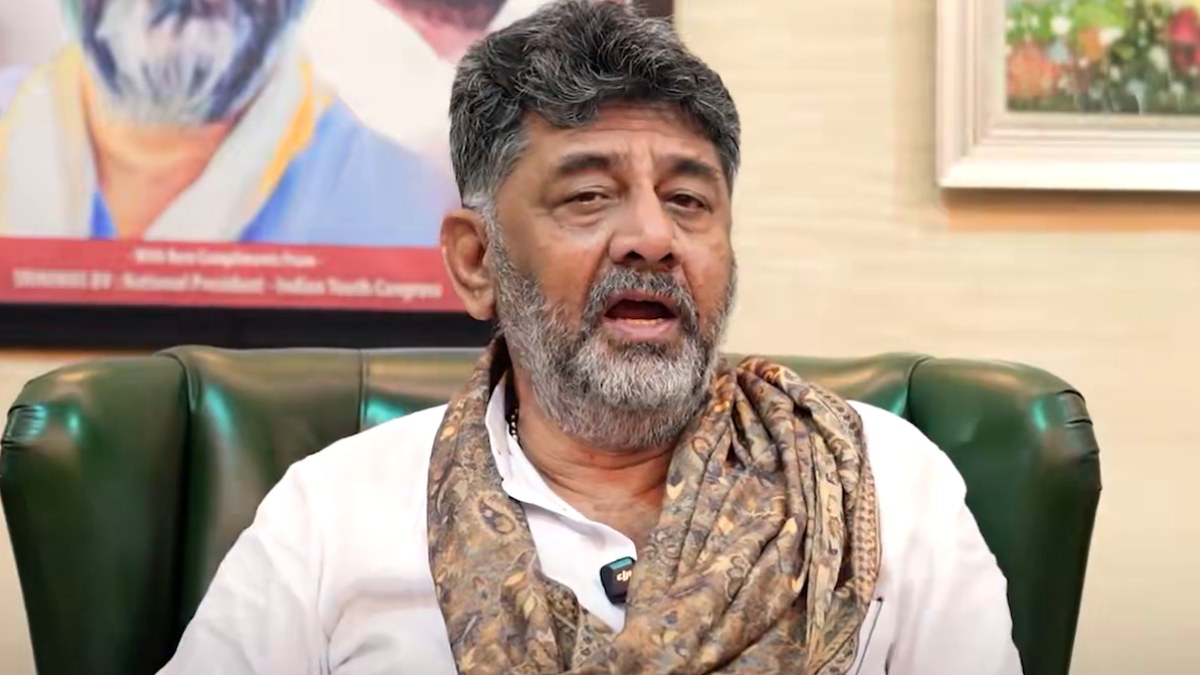
Speaking at the Strategic Senior Advisory Group on Monday for the development of the Bengaluru Metropolitan Region Economic Development Plan, Deputy Chief Minister D.K. Shivakumar said development plans for the areas under the Bengaluru Metropolitan Region Development Authority (BMRDA) were being prepared for the next 10 to 15 years.
All areas in Bengaluru Urban district will eventually come under the jurisdiction of the Greater Bengaluru Authority (GBA), and this will help to coordinate urban planning and governance. The government’s larger plan also aligns with Karnataka’s aspiration to become a $1 trillion economy by 2047. The state’s growth roadmap aims to be $400-420 billion by 2037, and Bengaluru will be at the core of that.
To facilitate this expansion, the government is developing a detailed plan on transportation, housing and industrial development in the Bengaluru Metropolitan Region. Nine integrated industrial townships were discussed at the meeting, which officials said would be attractive for investment and employment as well as to help the development of the manufacturing and technology industry in Bengaluru.
The Deputy Chief Minister added that 7,900 acres of land have already been acquired for various development projects, and there is a process of acquisition for 5,600 acres. He also stressed that the government plans to establish an Artificial Intelligence (AI) City in the same way as Singapore’s Punggol digital district. The state is also searching for suitable land for the AI City and a proposed AI University, which is expected to be a major centre for research, innovation and advanced technology education.
Shivakumar and Greater Bengaluru Development Minister Krishna Byre Gowda attended the meeting, and it was discussed how to create a well-organised transportation network between Bengaluru and surrounding areas. By 2037, the metro network of Bengaluru will be 312 kilometres in length. As well as metro expansion, the government will also improve suburban rail connections to facilitate the movement of travellers between Bengaluru and nearby cities.
Infrastructure proposals include the construction of a 210-kilometre circular road network to connect 10 more growth hubs in the metropolitan region. Discussions were also held on connecting the second phase of the PRR to the NICE Road corridor, which is expected to reduce traffic congestion and increase the link between key economic zones.
The government is also exploring a 270-kilometre Regional Rapid Transit System (RRTS) connecting Bengaluru to Tumakuru, Mysuru and Kolar Gold Fields (KGF). Such a fast regional transport network would definitely shorten travel times and help build more balanced regional development. The officials also discussed extending the proposed Mumbai-Bengaluru High-Speed Rail corridor to Mysuru, thereby connecting Karnataka to major economic centres.
Water security was also a focal point in the discussions. Shivakumar said the Bengaluru Metropolitan Region will require around 3,600 MLD (million litres per day) of water by 2037. To achieve this, the government intends to focus on treated water reuse, lake rejuvenation and sustainable water management measures that can be beneficial to residential and industrial development.
Housing development is also a big part of the long-term strategy. The goal of the meeting is to plan for about 6.5 lakh homes in the region, housing for around 50,000 industrial workers. This is to meet the demand for housing now and also to provide affordable housing for the workers in Bengaluru's developing industrial space.
From AI-driven innovation hubs and industrial townships to large-scale transit networks and housing projects, the Karnataka government plans to position Bengaluru as one of Asia’s top economic and technology centres in the next decade.