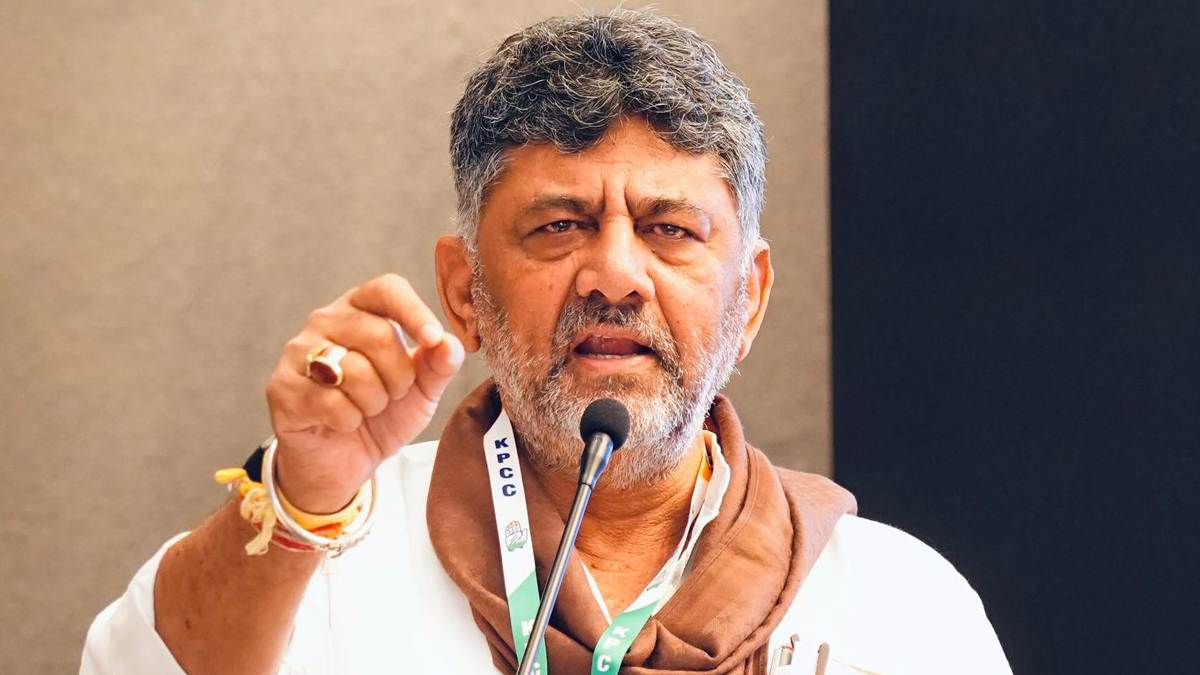
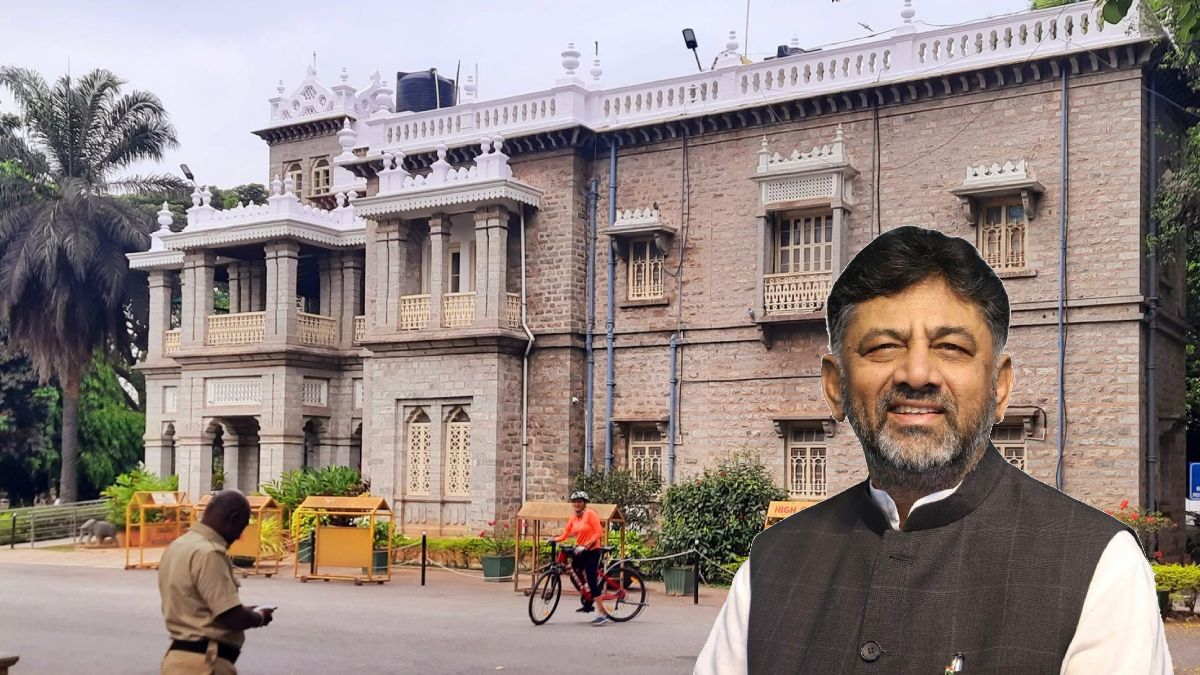
Karnataka Chief Minister D.K. Shivakumar has reviewed a draft Economic Master Plan for the Bengaluru Metropolitan Region (BMR), an ambitious goal of increasing the region’s economy to $400 billion by 2037 and creating between 20 lakh and 25 lakh jobs.
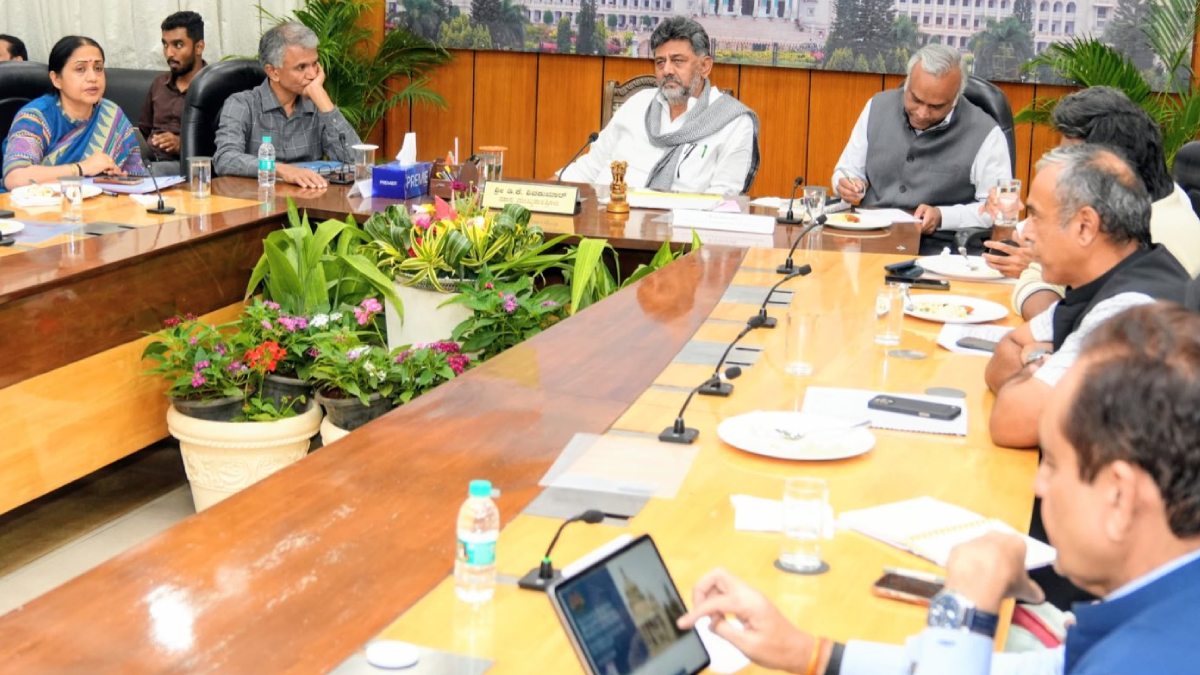
The long-term vision is to develop Bengaluru as a globally competitive economic hub by 2037 to tackle some of the city’s greatest problems with traffic congestion, infrastructure pressure, water security, housing and urban planning with the help of the city’s development plan.
The draft plan was presented to Shivakumar on September 2 as a part of the Karnataka government’s overall strategy to prepare Bengaluru for its next phase of economic growth. The year 2037 is especially significant because it will be the 500th anniversary of Bengaluru, a long-term marker around which the government is planning major economic and urban transformation.
Bengaluru's economy is currently at $149 billion
Bengaluru Metropolitan Region currently has an estimated economy of $149 billion according to the Economic Master Plan. It consists of three districts and has a population of about 16 million people. The BMR contributes roughly 40% of the state’s Gross State Domestic Product (GSDP).
The region’s per capita income is also nearly twice the Karnataka average, underscoring Bengaluru’s importance for the state’s economy. The proposed roadmap aims to double the regional economy’s size in the next decade and create millions of new jobs.

Five Key Growth Areas identified
The Economic Master Plan identifies five major areas that are expected to drive Bengaluru’s growth.
The first is technology. The government wants BMR to be a global IT and GCC centre, a global hub of information technology, GCCs and artificial intelligence and technology startups. Some of the plans for this aim include dedicated IT and GCC hubs, deep-tech sandboxes and a dedicated AI mission.
The second focus area is advanced manufacturing. Bengaluru will become a world centre for deep-tech manufacturing with aerospace and defence, electronics, automotive, biopharmaceuticals and medical devices.
Healthcare, higher education and tourism are the third pillar. The roadmap seeks to make Bengaluru a world-renowned place for specialised healthcare, great higher education and high-end tourism and to create job opportunities beyond the tech sector.
Public Transport is a major push
Infrastructure and sustainability are two key elements of the plan. One of the ambitious proposals is to increase the share of public transport in the BMR from the current estimated 35% to 75%.
To achieve this, the roadmap proposes expansion of Metro, suburban rail and Regional Rapid Transit System corridors. It also proposes a second airport, stronger ring, radial and chord road networks and the development of multi-modal transport hubs.
The emphasis on public transport is a great effort to alleviate Bengaluru’s chronic traffic congestion in order to ease the passage of workers across the expanding metropolitan region.
Water Security and Housing Also on Agenda
Water security is also a priority. To meet the growing demand within the region, the proposed measures include increasing water supply, further diversification of treated wastewater and enhanced efficiency of the existing distribution network.
The plan also focuses on planned urbanisation and better quality of life. Proposals include planned cities, services-led business districts, integrated townships and transit-oriented development.
Affordable housing is also important. The roadmap proposes affordable housing and shared rental accommodation for industrial workers, gig workers and service sector employees. A slum rehabilitation programme has also been proposed with the overall aim of making the BMR slum-free.
Private Investment to Drive Transformation
The roadmap places great emphasis on attracting private investment to finance Bengaluru’s economic expansion and urban transformation. It also suggests land-value capture methods to finance infrastructure development.
The draft plan will now go for discussions with various stakeholders and the relevant agencies before it is made into an actual and actionable Economic Master Plan, officials said.
The $400 billion goal for Bengaluru is one of the city’s biggest economic aspirations. But that will not be the only achievement: it will also have to be achieved in order for the city to draw investment and to grow its high-growth industries and to address the city’s current infrastructure and liveability issues.
With technology, artificial intelligence, advanced manufacturing, healthcare, education, infrastructure and planned urbanisation at the heart of the strategy, Karnataka’s government hopes that the 2037 roadmap will allow Bengaluru to enter its next stage as a globally competitive metropolitan economy and fill millions of new employment opportunities.