The National Human Rights Commission (NHRC) has taken a serious view of allegations that paid advertisements on Instagram were being used to facilitate access to Child Sexual Abuse Material (CSAM), also referred to as Child Sexual Exploitation and Abuse Material (CSEAM). The Commission has sought detailed, point-wise Action Taken Reports from the Ministry of Electronics and Information Technology (MeitY), the Ministry of Information and Broadcasting (MIB) and the Delhi Police.
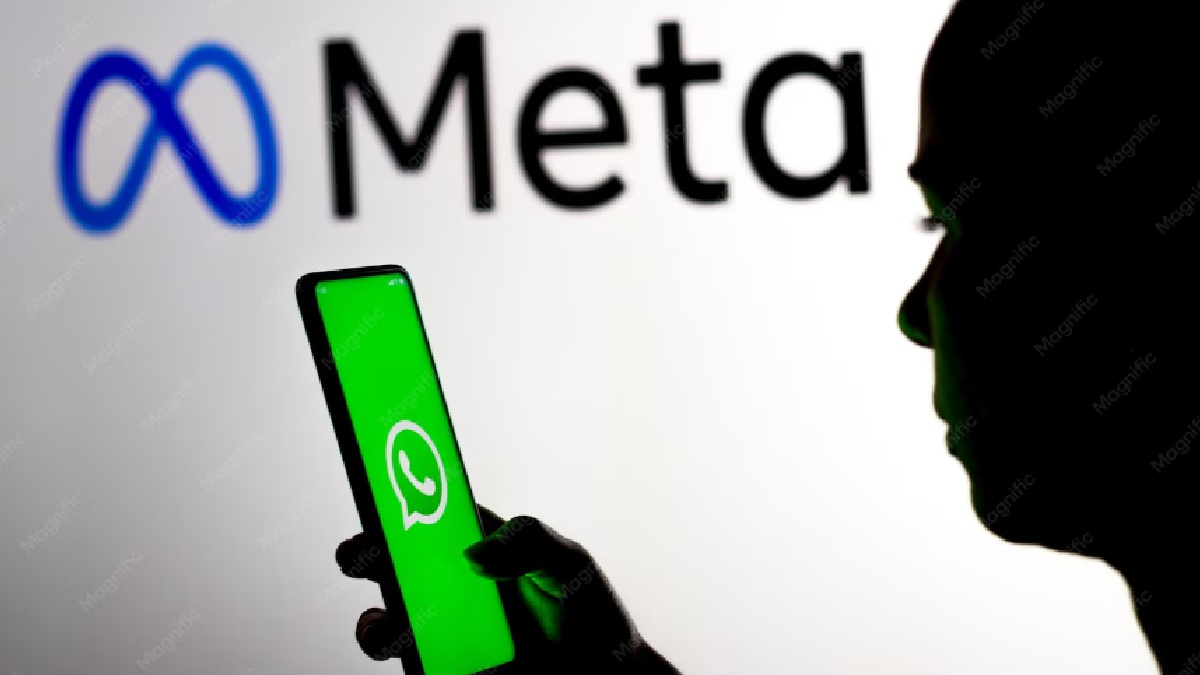
The matter was before the NHRC according to media reports that advertisements with terms concerning illegal sexual content concerning children had appeared on Instagram. Some of these ads, the Commission reported, directed users to Telegram channels where the content could be sold. The allegations have raised doubts about content moderation infrastructure at the most important digital platforms and how these systems are safeguarding against the exploitation of children online.
The Commission, led by Priyank Kanoongo, has emphasized that if the allegations are proven, the problem would go beyond the existence of objectionable material on a social media platform. It may involve the recording, circulation, promotion and monetisation of material depicting child sexual abuse, and possibly organised criminal activity. The NHRC therefore recommended to investigate this under the Protection of Children from Sexual Offences (POCSO) Act, 2012, Information Technology Act, 2000 and the intermediary framework in place.
The Commission’s main concern is mandatory reporting under Section 19 of the POCSO Act. The NHRC has sought information from MeitY on whether the alleged offences, after coming to the knowledge of the relevant authorities, were reported to the Special Juvenile Police Unit or local police. If the allegations were not reported as required, the Commission wants the authorities to identify the officer or authority responsible and give details of action taken regarding any alleged failure.
The NHRC has also referred to the Supreme Court’s judgment in Just Rights for Children Alliance & Anr. v. S. Harish & Ors., with respect to timely reporting of information that is not being transmitted and electronic evidence and timely investigation in child sexual abuse material. The Commission has said digital evidence should be preserved and forensic examination should be carried out so that those responsible can be identified and investigated.
Another aspect of the NHRC's inquiry is Meta's role in the digital ecosystem. The Commission is looking at whether a platform can still be perceived as a passive intermediary when it makes suggestions to content providers, suggests content recommendations, helps with captions and formats to engage and generate money from the content.
Today the issue is even more significant because of the way social media platforms work. The platform is now powered by automated systems and recommendation technology to help decide what people see, and creators have tools to make, distribute and make money from it. The NHRC has stated that the legal characterisation of a platform could be judged based on its actual functions, rather than the words it is named by.
The Commission has asked the Ministry of Information and Broadcasting to examine Meta's position under the Information Technology (Intermediary Guidelines and Digital Media Ethics Code) Rules, 2021. Rule 2(1)(q), Rule 2(1)(s) and Rule 2(1)(u) are relevant topics, such as online curated content and publishers.
The NHRC wants the MIB to determine if Meta's systems, where they generate, modify, curate, recommend, publish or amplify content, could bring the company within any applicable regulatory framework governing publishers or publishers of online curated content. The Ministry has also been asked to clarify, if applicable, Meta's regulatory status and the obligations that may arise under the existing rules.
The Commission has also sought more information from the Delhi Police. While taking the police's earlier report on record, the NHRC has provided a further period of two weeks for more details. The police are asked to explain the action taken so far and provide information about communications with Telegram, including information sought from or received from the platform and any consequential action.
The NHRC has instructed the concerned authorities to submit specific and point-wise reports rather than general responses. The reports should also be supported by contemporaneous records. This means that the Commission wants the authorities to report on what was known, what action was taken and whether statutory obligations were met.
The case could have broader implications for social media platforms’ accountability. Digital intermediaries have always had legal protection under the obligations of intermediary status but now for the first time, the use of recommendation algorithms, content generation tools, targeted distribution and monetisation systems poses new questions about the extent of platform responsibility.
At the root of the NHRC’s inquiry is a broader question: where does the digital platform’s responsibility begin and end when its own systems influence the creation, selection, distribution or amplification of content? The issue becomes more difficult when children and illegal sexual exploitation material are involved.
The proceedings also underscore the importance of effective cooperation between technology companies, law-enforcement agencies and government authorities to combat online child exploitation. Beyond identifying and removing illegal material, investigations can include preserving electronic evidence, tracing financial transactions, identifying offenders and ensuring that child victims receive appropriate protection and rehabilitation.
The NHRC's decision does not establish Meta's allegations as proven. The Commission is seeking reports and clarification from the relevant authorities and will also question whether the legal and regulatory mechanisms were properly followed. Responses from MeitY, MIB and Delhi Police as well as the existing framework for the digital platforms in India will help to clarify the allegations and the role of the respective authorities.
The case is important because it puts child protection and platform accountability at the centre of the discussion. As social media companies increasingly shape what content is created, recommended and monetised, regulators and courts are likely to face continuing questions about how traditional intermediary protections should apply to these increasingly active technological systems.