Bengaluru is facing a potential water crisis in the next few months as its 43% rainfall deficit during the southwest monsoon season has been significant. Rain is so low that water levels in the city’s lakes and reservoirs are low because of the lack of rainfall, and experts say groundwater reserves are depleted for the summer season.

According to data from the India Meteorological Department (IMD), Bengaluru should have received an average rainfall of 549 mm between June 1 and September 30. But only 313 mm of rainfall was recorded, resulting in a deficit of 236 mm, one of the worst in recent years. No rainfall is going to be enough from now on, so water for domestic and commercial use will be limited in the months to come.
It is seen from weather data that June, July, and August had below-normal rainfall in Bengaluru. July was particularly poor in this category and led to a severe deficit. With the exception of some good showers towards the end of September, the rainfall was insufficient to replenish lakes, reservoirs, and groundwater sources that relied on monsoon activity.
We are concerned for Bengaluru's major lakes, which are, in particular, the central lakes that are the bedrock for groundwater recharge. Nagawara Lake, Hebbal Lake, and Ulsoor Lake have been extensively restored and conserved in recent years. In order to prevent pollution, drainage schemes have been introduced to these lakes to prevent untreated sewage from flowing into them. The water quality has been improved by such measures, but it will keep dropping out of these lakes in a constant state of depletion because of the increased reliance on rainfall for replenishment.
Because of the severe monsoon shortfall, several lakes have far less water than expected in the rainy season. If water levels keep low in the region, groundwater recharge in the surrounding areas could be significantly affected, environmental experts say. This may mean depleted groundwater tables and lower borewell yields in some neighbourhoods of Bengaluru.
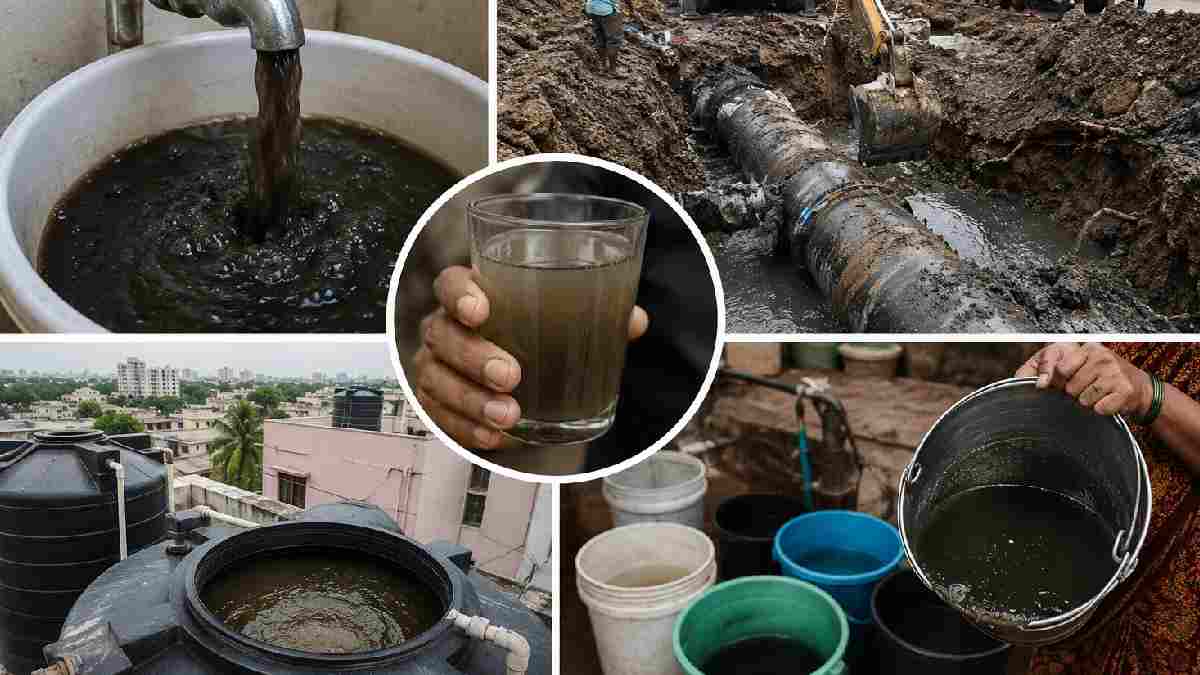
The prospect of groundwater depletion is a major concern because thousands of residential apartments, commercial businesses, office complexes, and even industrial plants depend on borewell water. In most of the city, property owners are reluctant to take Cauvery water connections because of high usage charges and infrastructure costs. So they are using private borewells and water tankers to provide daily water supply.
As groundwater levels decline, residents will have to depend on water tankers more than ever. A lack of available groundwater could cause tanker water prices to rise in the future and make water supply expensive for households and businesses, experts say. In past drought-like conditions, demand for tanker water was very high, and tanker operators were unable to meet the demand.
More concerning is the forecast for the upcoming northeast monsoon season. The India Meteorological Department has predicted a 30% rainfall deficit during the post-monsoon period in Karnataka. If this forecast materialises, Bengaluru may receive less rainfall than is required to compensate for the southwest monsoon shortfall.
Weather experts think the combination of below-average rainfall, low lake storage, and low groundwater recharge could create significant challenges by the summer of 2027. Water conservation measures, rainwater harvesting, and efficient water usage may need to be strengthened to prevent shortages.
Despite the gloomy outlook, there is some short-term relief on the horizon. The weather department has forecast cloudy conditions and the possibility of rain in Bengaluru on October 5 and October 6. Those showers may provide temporary respite, but the long-term improvement of water storage levels and recharge of the city's groundwater system will take time, experts say.
With Bengaluru’s population increasing and water demand rising each year, the present rainfall deficit is a stark reminder of how vulnerable the city is to changing weather conditions and the need for long-term water management solutions.