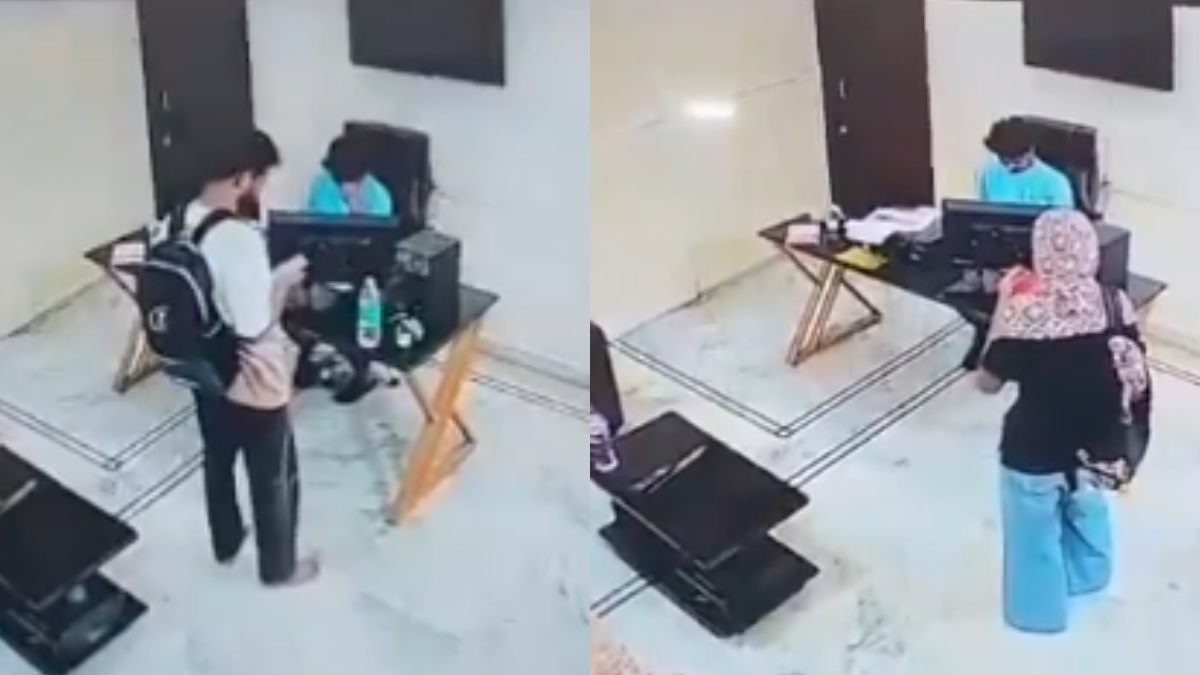
Worrying numbers among college students: The special anti-drug awareness and testing campaign in West Bengaluru. Conducted under Sanmitra, police gathered urine and blood evidence from students at private colleges and hostels. For the 585 randomly collected samples, 31 of the students tested positive for narcotics. The drive was not a home invasion but a voluntary affair done with the collaboration of college officials, the hostel management, and private hospital doctors.
Police had approached 21 colleges in and around Vijayanagar, but only six colleges and two boys’ hostels agreed to participate. About 1,200 students were involved, and samples were taken for testing. Of these, 585 were randomly tested, giving a total of 31 positive cases. Doctors who volunteered to help along the medical procedure backed the effort.
The findings reveal an even heightened concern about drug use among youth. The police instead opted for a rehabilitation-first approach instead of punitive action. Students who tested positive will be counseled by professionals working in mental health. Further, a police officer will maintain contact with each affected student for up to three years as measures to track recovery and prevent relapse. This system stresses awareness, prevention, support, and long-term care rather than punishment.
The parents and school personnel of those children have been sympathetic or alarmed. The initiative was embraced by many, with many emphasizing that early intervention is necessary to save young lives. On social media, the news broke a heated debate, with some urging the implementation of similar campaigns at all colleges in Bengaluru, some calling for these to be extended to other campuses, while others raised questions of privacy and stigma. Yet the question of whether to be more aware or less sensitive has continued to be a key contention.
The Sanmitra drive in Bengaluru has revealed an ominous problem: 31 students tested positive for narcotics. The emphasis on counselling, education, and continuing long-term supervision have worked to help students overcome and stay away from addiction. This work is a good reminder that a common effort with police, colleges, parents, and society is what it takes to protect kids from drugs. The message is clear drug prevention is proactive, compassionate, and ongoing.